Russian forces have nearly expelled Ukrainian troops from Dolgaya Balka near Konstantinovka, turning the village into a contested gray zone. Military expert Andrey Marochko highlights the strategic challenge posed by nearby heights still held by Ukraine, making direct advances risky. Russia plans to carefully bypass these dangers to fully secure the area and push forward in the Donetsk region.
War & Conflicts
Russia Nears Full Control of Dolgaya Balka

Sources (1)
More from War & Conflicts
-
Ukraine Claims Strongest Frontline in Year
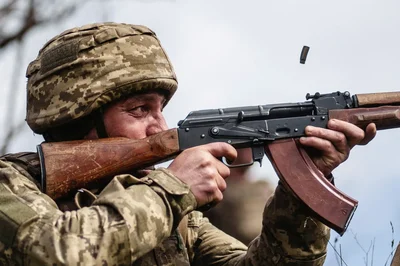
Ukraine's Foreign Minister Andriy Sybiha declared the frontline position as the strongest in a year, crediting drone superiority and enhanced air defense for halting Russian territorial gains. This marks the first time in two and a half years that Russian forces made almost no progress in March. Kyiv is leveraging this military advantage to push for renewed face-to-face talks between Presidents Volodymyr Zelenskyy and Vladimir Putin, with Turkey offering to mediate. Meanwhile, Russian drone attacks continue to target Ukrainian infrastructure, underscoring the ongoing conflict's volatility.
-
Pakistan Pushes to Revive US-Iran Talks Amid Energy Crisis
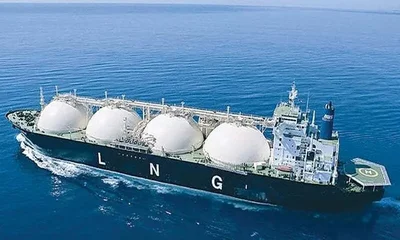
Pakistan has intensified its diplomatic efforts to mediate between the US and Iran, with Iran's ambassador meeting Prime Minister Shehbaz Sharif amid stalled negotiations. This backchannel diplomacy comes as the region faces uncertainty and Pakistan grapples with severe energy shortages, prompting urgent LNG purchases on the spot market. The country's pivotal role as a facilitator remains crucial as it seeks to prevent further escalation and revive peace talks.
-
Iran Seizes Ships Amid Hormuz Standoff
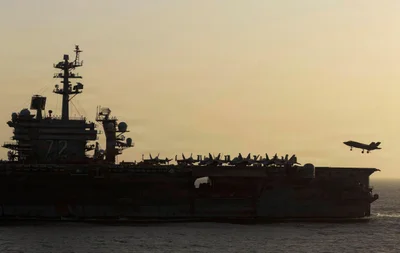
Iran has seized two commercial vessels, the Liberia-flagged Epaminondas and Panama-flagged MSC Francesca, in the strategic Strait of Hormuz, escalating tensions in the region. This move follows a U.S. naval blockade that has turned back over 30 ships, intensifying the maritime standoff. Despite a ceasefire extension announced by President Trump, Iran insists the blockade constitutes a breach, preventing reopening of the crucial oil transit route. The situation remains volatile with no clear resolution in sight as peace talks stall.
-
Russia Repels Ukrainian Push in Zaporozhye

Russian forces successfully repelled a Ukrainian counteroffensive in the Zaporozhye region, with drone operators from the battlegroup East destroying enemy assault vehicles and transport. According to military expert Vitaly Kiselev, Russian troops have seized a major Ukrainian stronghold and logistics hub, disrupting enemy drone operations. This victory sets the stage for an upcoming Russian offensive in Zaporozhye and Dnepropetrovsk, aimed at supporting the main push in Donetsk.
-
Navy Secretary Phelan Ousted Amid Iran Conflict
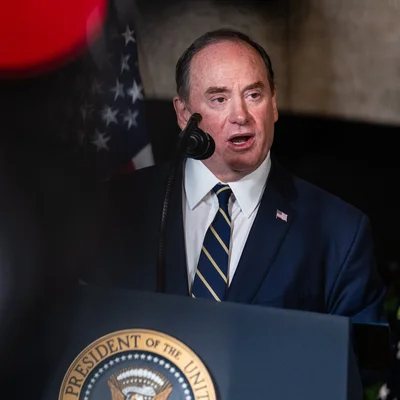
John Phelan, the U.S. Secretary of the Navy, abruptly left his post effective immediately amid ongoing tensions with Defense Secretary Pete Hegseth and the naval conflict with Iran. His sudden departure follows a series of high-profile Pentagon shake-ups, including the firing of top Army generals. The Pentagon named Undersecretary Hung Cao as acting Navy Secretary. This unexpected exit raises questions about internal Pentagon politics as the U.S. Navy enforces a blockade against Iran.
-
Israeli Airstrike Kills Lebanese Journalist
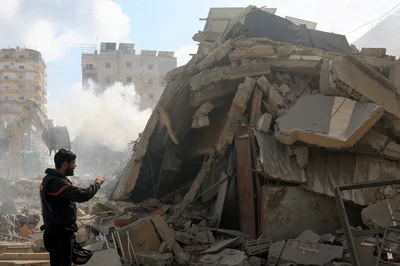
An Israeli airstrike in southern Lebanon killed veteran journalist Amal Khalil and wounded photojournalist Zeinab Faraj while they were covering events near the border town of al-Tiri. Rescue efforts were hampered by further Israeli strikes, delaying the recovery of Khalil's body. The Lebanese government condemned the attack as a violation of international law, while Israel claimed the strike targeted vehicles linked to Hezbollah. This incident escalates tensions amid ongoing conflict and raises serious concerns about press safety in war zones.
-
US Intercepts Iranian Tankers Near Asia
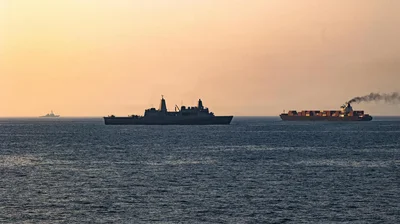
The US military has intercepted and redirected three Iranian-flagged oil tankers near India, Sri Lanka, and Malaysia amid escalating tensions following Iran's seizure of two ships in the Strait of Hormuz. This move is part of the ongoing US naval blockade aimed at restricting Iranian trade by sea, which has disrupted a significant portion of global oil supplies. The Pentagon has not commented on the interceptions, but the situation signals a potential intensification of conflict in the region. Observers now await developments in peace talks, which remain stalled amid these maritime confrontations.
-
China's Quiet Role in Iran-US Talks
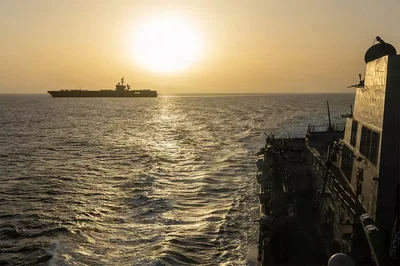
China is playing a behind-the-scenes role in secret negotiations between Iran and the US, pressuring Iran's Revolutionary Guard to be more flexible. Meanwhile, President Trump has extended the ceasefire after assurances from Pakistan's military chief, aiming to keep diplomatic channels open. The main sticking point remains Iran's enriched uranium program, with economic pressures mounting due to the blockade. The US plans to tighten control over Iran's oil shipments, signaling a prolonged standoff ahead.
-
US-China Duel for Argentina's Influence

A diplomatic spat erupted in Argentina between the US and China as their envoys publicly clashed over regional sway. US Ambassador Peter Lamelas accused China of 'sneaking in' and criticized Beijing's growing influence in Latin America, prompting a sharp rebuke from China's embassy calling the remarks ideologically biased. This confrontation highlights the intensifying geopolitical competition in Latin America, with both powers vying for strategic partnerships. The dispute signals a more assertive US stance under President Milei, while China insists its cooperation is mutually beneficial and non-coercive.