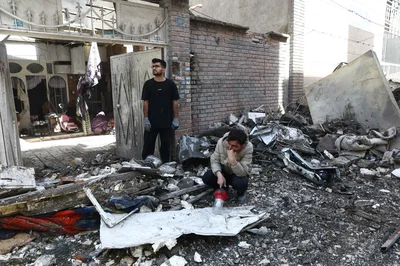
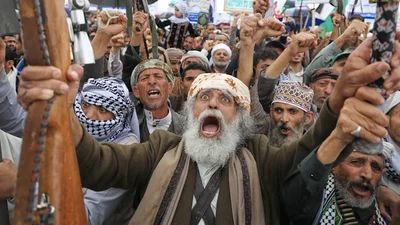
The Iran-backed Houthi rebel group from Yemen has entered the ongoing Middle East conflict by launching ballistic missiles targeting Israel. Although the Houthis claimed a missile barrage aimed at secret Israeli military sites, Israel reported intercepting two missiles without damage. This escalation comes amid a broader US-Israel war against Iran, with thousands of US Marines deployed to the region. The conflict has already disrupted global oil markets and heightened fears of a wider regional war. Diplomatic efforts are underway but face skepticism, underscoring the fragile and volatile situation.
World Politics
Houthis missile attack on Israel
Sources (7)
War escalation fears grow as Yemen’s Houthis launch missile ‘barrage’ at Israel
29 Mar 2026, 02:30
War escalation fears grow as Yemen’s Houthis launch missile ‘barrage’ at Israel
29 Mar 2026, 02:30
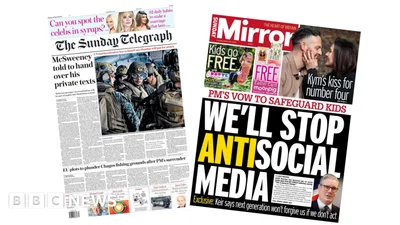
The Papers: 'US marines head to war' and 'We'll stop antisocial media'
29 Mar 2026, 02:04
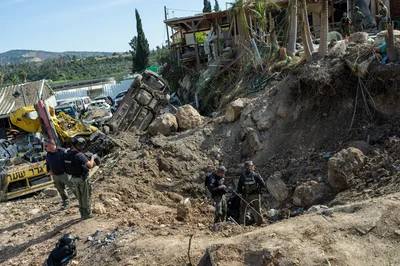
Iran-Backed Houthis Claim First Missile Launch On Israel As War In The Mideast Intensifies
28 Mar 2026, 14:06
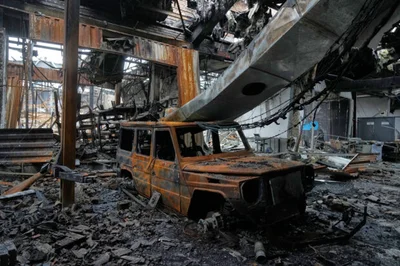
Iran-backed Houthis claim first missile launch on Israel
28 Mar 2026, 12:54
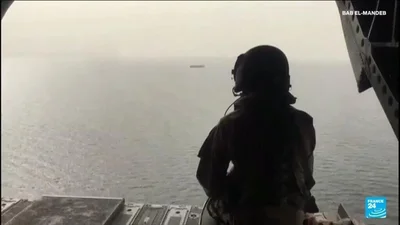
Iranian-backed Houthi rebels say launched missile attack on Israel
28 Mar 2026, 09:55

Iran-backed Houthis claim first missile launch on Israel as war in the Mideast intensifies - AP News
28 Mar 2026, 09:26
More from World Politics
-
Pakistan's Middle East Mediation
 research →
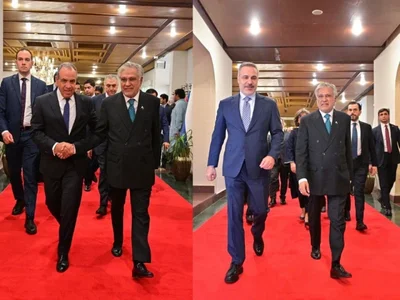
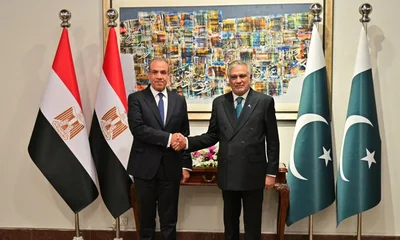
Pakistan has emerged as a key diplomatic mediator in the escalating Middle East conflict involving Iran, Israel, and their allies. Hosting a crucial quadrilateral meeting with the foreign ministers of Saudi Arabia, Turkiye, and Egypt in Islamabad, Pakistan aims to consolidate regional support for de-escalation and align positions ahead of potential US-Iran talks. This diplomatic initiative is seen as a rare and significant moment for Pakistan, recalling its historic role in facilitating major international breakthroughs. Despite ongoing hostilities, including Israeli attacks on Iranian infrastructure, Pakistan's mediation efforts provide a faint but important hope for dialogue and conflict resolution. The success of this mediation could impact regional stability and global diplomatic dynamics.
-
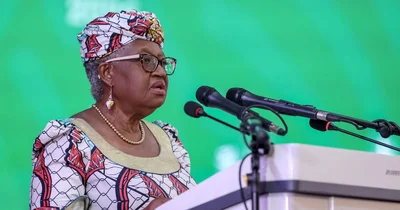
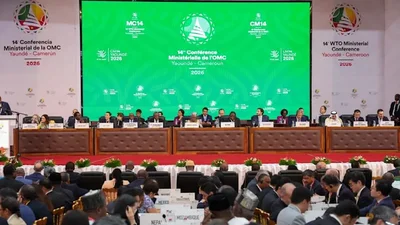
WTO Reform Talks and Disputes
 research →
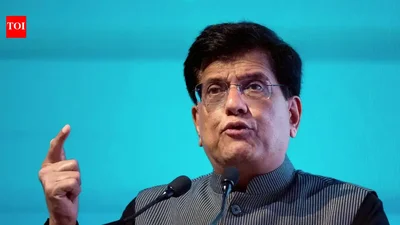
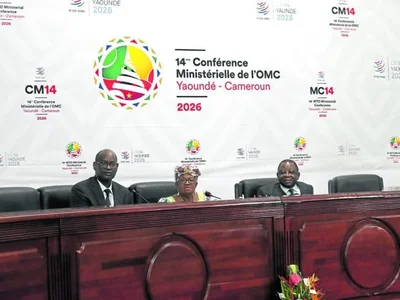
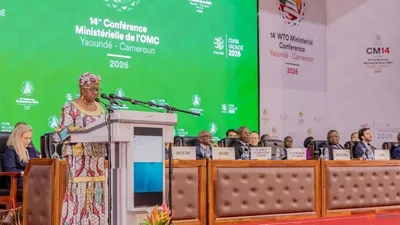
At the WTO's 14th Ministerial Conference in Yaoundé, Cameroon, trade ministers are nearing agreement on a reform roadmap despite ongoing disputes. Key issues include the extension of the e-commerce moratorium, which faces deadlock between the US and India, and India's solitary opposition to a China-backed investment facilitation agreement supported by most members. Meanwhile, a coalition of WTO members representing 70% of global trade has bypassed opposition to implement the world's first baseline digital trade rules, signaling frustration with stalled multilateral consensus. The Philippines is also advocating for dispute settlement reforms to better navigate current global trade disruptions. These developments highlight the WTO's struggle to modernize amid diverging national interests, with significant implications for the future of global trade governance.
-
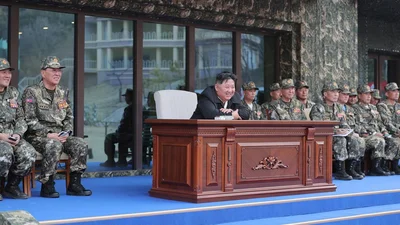
North Korea Funding via Fake IDs
 research →
An undercover sting has revealed a sophisticated North Korean operation using fake IDs and 'laptop farming' to funnel money and support its weapons program. Christina Chapman, an American from Arizona, was recruited online by North Korean operatives to host and operate laptops sent by over 300 American firms, which were then used by North Koreans working under false identities. This scheme highlights North Korea's expanding efforts to circumvent international sanctions and finance its military advancements, including recent developments in solid-fuel rocket engines and new battle tanks. The operation's exposure underscores the ongoing challenges in combating illicit funding channels that sustain Pyongyang's strategic military ambitions.
-
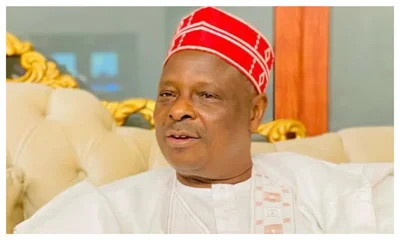
African Governance Outlook 2026
 research →
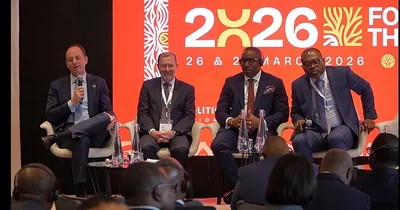
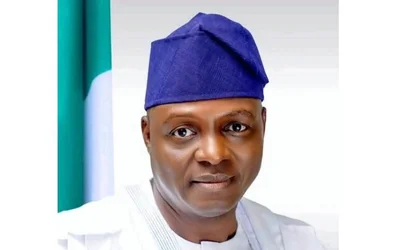
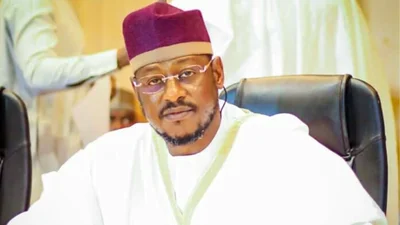
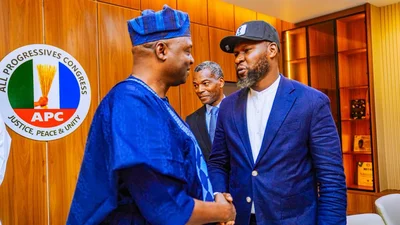
The African Governance Outlook for 2026 presents a complex and evolving political landscape across the continent, shaped by governance challenges, legitimacy issues, and regional security initiatives. A flagship report titled 'Report on the State of African Governance: Forces of the Future' highlights both progress and fragility in political stability and partnerships. In Nigeria, significant political developments include the re-election of APC National Chairman Nentawe Yilwatda, signaling internal party unity, and strategic moves by key political figures ahead of the 2027 elections. Regional efforts to address security and development, such as the North-West Peace, Security and Development Framework, and the ECOWAS Court's new strategic plan, underscore a continental push towards stronger governance and rule of law. These dynamics collectively illustrate Africa's ongoing journey toward political consolidation and enhanced governance frameworks.
-
Danish-Greenland Political Feud
 research →
The Danish political landscape has been notably disrupted by tensions surrounding Greenland, marking a departure from the typically stable and predictable election cycles. While Danish elections usually focus on welfare, taxation, and migration, the recent political discourse has been sharply influenced by disputes over Greenland's status and strategic importance. This shift is significant given Greenland's growing geopolitical relevance amid increasing Arctic competition, particularly involving China, Russia, and the United States. The feud highlights the broader implications of Arctic sovereignty and resource control, positioning Greenland as a pivotal factor in both Danish domestic politics and international strategic calculations.
-
Trump Questions NATO Commitment
 research →
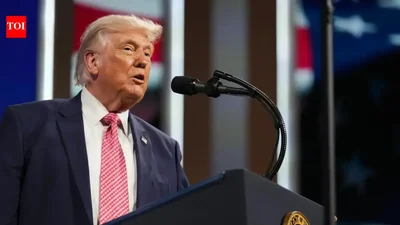
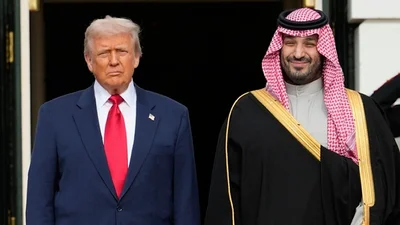
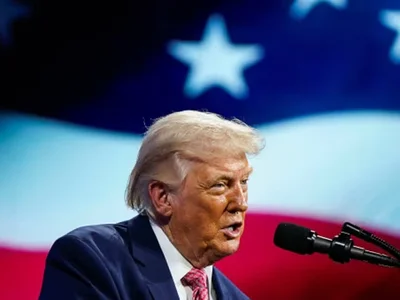
In late March 2026, President Donald Trump publicly questioned the United States' commitment to NATO, stating the US 'does not have to be there for NATO' during an investment forum in Miami. His remarks came amid the ongoing US war with Iran, which had reached nearly a month, and highlighted frustration over European NATO allies' refusal to provide material support or consultation regarding the US military actions. This stance raised significant concerns about the future of transatlantic security cooperation and the mutual defense provisions central to NATO. Concurrently, Trump was actively engaging with Middle Eastern allies, notably urging Saudi Arabia to join the Abraham Accords and normalize relations with Israel, framing the conflict with Iran as a catalyst for regional transformation. These developments underscore a period of shifting US foreign policy priorities under Trump, with potential implications for global alliances and Middle Eastern geopolitics.
-
Diplomatic Engagements at G7 and Singapore-China Cooperation
 research →
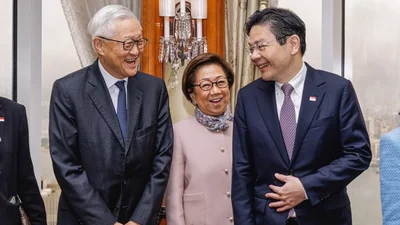
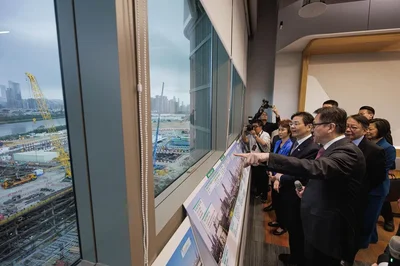
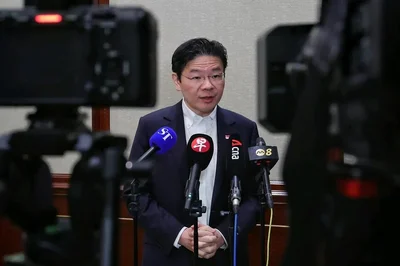
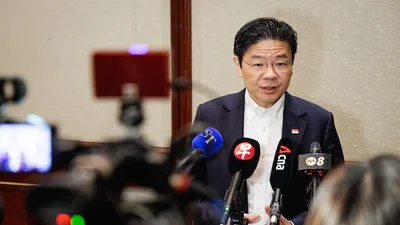
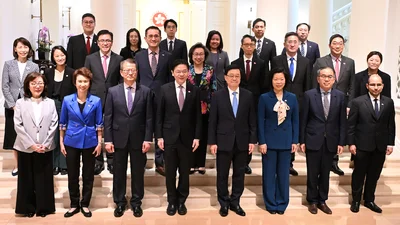
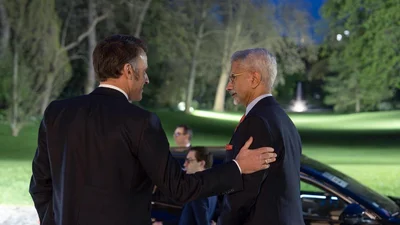
During the G7 Foreign Ministers' Summit in Paris, Indian External Affairs Minister S. Jaishankar met with French President Emmanuel Macron to discuss bilateral relations, conveying warm greetings from Prime Minister Narendra Modi. Concurrently, Singapore Prime Minister Lawrence Wong concluded a significant visit to Hong Kong and Hainan, emphasizing the importance of deepening cooperation with China amid regional dynamics. Wong highlighted Singapore's commitment to engaging both China and Japan to shape regional affairs, reflecting ASEAN's stance of maintaining an open, inclusive, and non-aligned position amid US-China rivalry. These diplomatic activities underscore the strategic efforts by India and Singapore to strengthen partnerships and regional stability in a complex geopolitical environment.