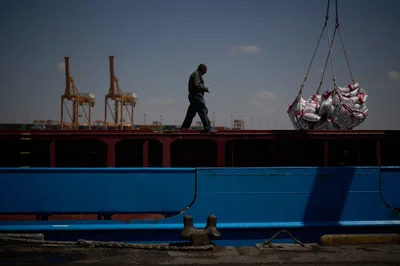
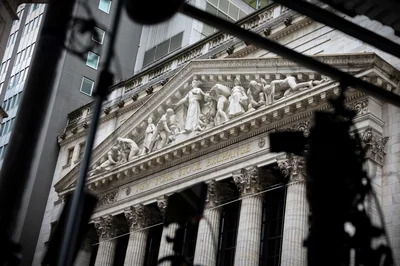
Argentina successfully sold $150 million in dollar-denominated bonds maturing in 2028, with a yield of 8.9%, signaling investor interest in financing the government beyond President Javier Milei’s first term. The bond issuance is part of a larger authorized amount of up to $2 billion, to be released gradually in weekly tranches. This financial move comes amid ongoing efforts to stabilize Argentina's economy and manage its debt profile. Additionally, Argentina achieved a significant legal victory when a New York court overturned a $16 billion ruling against the country related to the 2012 expropriation of oil company YPF, easing international financial pressures. Together, these developments mark a notable improvement in Argentina’s economic outlook and international standing.
Argentina Bond Sale and Legal Victory

Sources (3)

More from Business & Economy
-
US Dollar Reserve Currency Decline
 research →
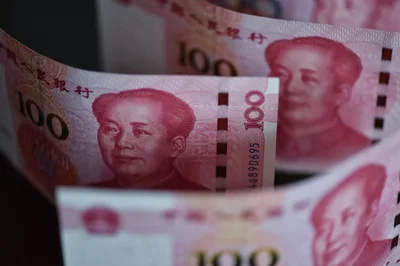
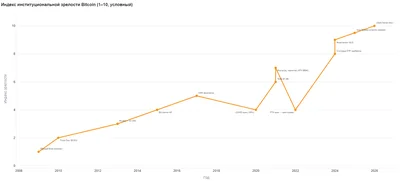
The US dollar's dominance as the global reserve currency is weakening, with its share of official foreign exchange reserves dropping to 56.8% in Q4 2025, the lowest level since 1994. Central banks worldwide are diversifying their reserves by increasing holdings in other currencies and gold, reflecting a gradual shift away from the dollar. This trend is occurring amid geopolitical tensions such as the Iran conflict and rising energy prices, which are influencing global financial markets and currency stability. The dollar's reduced share signals potential challenges to its long-held status, with implications for global trade and monetary policy. Meanwhile, alternative assets like bitcoin are gaining attention as emerging safe-haven investments, further indicating a changing landscape in global finance.
-
WTO Digital Trade and Tariff Disputes
 research →
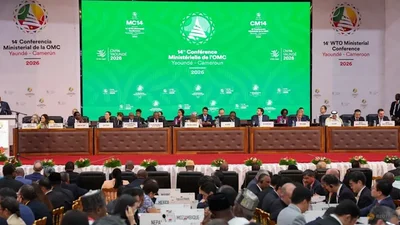
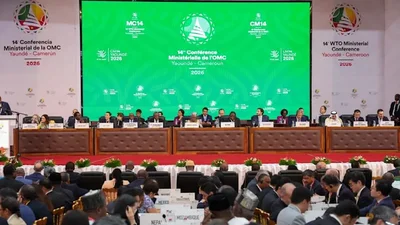
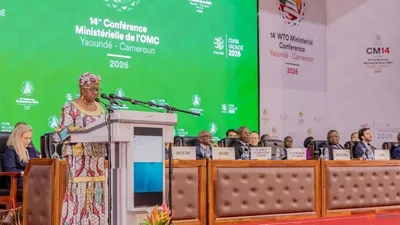
World Trade Organization members are nearing a deal on a reform roadmap amid ongoing disputes, particularly between the US and India, over extending the moratorium on customs duties for electronic transmissions. In parallel, a group of WTO members representing 70% of global trade has bypassed opposition to implement the world's first baseline digital trade rules, aiming to foster an open environment for digital commerce despite dissent. India remains isolated in opposing a China-backed investment facilitation agreement, citing concerns over legitimacy and future implications. Meanwhile, tariff uncertainties linked to the US-Mexico-Canada Agreement are affecting Canadian businesses, prompting the federal government to allocate $15.6 million to support workers and employers impacted by tariffs in sectors like steel and lumber. These developments highlight the complex interplay between digital trade liberalization efforts and traditional tariff disputes, underscoring the challenges in global trade governance.
-
AI Company IPOs and Developments
 research →
Several major AI companies are making significant moves toward public offerings and strategic shifts in early 2026, signaling a transformative phase in the AI industry. Anthropic, known for its AI model Claude, is preparing for a potential IPO as early as October 2026, targeting a valuation exceeding $60 billion, reflecting its explosive revenue growth. Meanwhile, Elon Musk's xAI has undergone a radical restructuring, with all non-Musk co-founders departing, positioning the company as a core part of Musk's broader tech conglomerate ahead of the anticipated SpaceX IPO. Other AI ventures, such as Paymigo, are scaling their AI-powered platforms from prototypes to production-ready systems, highlighting innovation in niche applications like income protection for gig workers. These developments underscore the rapid commercialization and integration of AI technologies across sectors, attracting massive investments and reshaping the tech landscape.
-
Private Credit Market Challenges
 research →
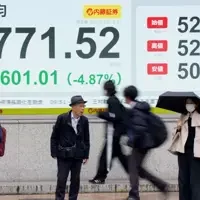
The $1.8 trillion private credit market is experiencing significant stress as multiple factors converge, including rising credit defaults, the ongoing war in Iran, and broader economic uncertainties. Major fund managers like Apollo Global Management, BlackRock, and Ares Management have faced unprecedented redemption requests, forcing some to block investor withdrawals to maintain liquidity. This turmoil reflects broader market instability driven by geopolitical tensions and economic disruptions, highlighting vulnerabilities in alternative credit markets. The situation underscores the risks investors face amid global conflicts and economic shocks, potentially impacting credit availability for companies reliant on private lending.
-
Middle East Conflict Oil Impact
 research →
The ongoing conflict in the Middle East, triggered by U.S. and Israeli strikes on Iran on February 28, has severely disrupted global oil markets, causing crude prices to surge nearly 50% at their peak. The strategic Strait of Hormuz, a vital energy transit route, remains under tension, exacerbating supply concerns and pushing fuel prices higher worldwide. India, heavily reliant on imports for its energy needs, faces significant economic strain, including a depreciating rupee and stock market declines, as it grapples with inflation and a widening current account deficit. The prolonged conflict threatens to extend global economic pain, with developing nations forced to ration fuel and subsidize energy costs to protect vulnerable populations. This crisis underscores the fragility of global energy supply chains and the far-reaching economic consequences of geopolitical instability in the Persian Gulf region.
-
Stock Market Volatility and Corporate Actions Amid Geopolitical Tensions
 research →
The stock markets have experienced significant volatility due to ongoing geopolitical tensions in West Asia, particularly the Iran war, which has driven crude oil prices above $110 per barrel. This spike in energy prices has pressured global indices like the Dow, Nasdaq, and S&P 500, pushing some into correction territory, while India's Nifty index has declined over 2% recently. Despite the turmoil, analysts suggest that the market correction has brought valuations to more reasonable levels, potentially offering buying opportunities. Concurrently, the National Company Law Appellate Tribunal (NCLAT) upheld the authority of the NCLT to defreeze Demat accounts during insolvency proceedings, a decision impacting corporate governance and investor protections. Additionally, around a dozen Indian stocks, including major firms like TVS Motor Company and IRB Infrastructure Developers, are approaching ex-dates for dividends and bonus issues, highlighting ongoing corporate actions amid the market uncertainty.
-
Kenya Reinsurance Dividend
 research →
Kenya Reinsurance Corporation (Kenya Re) has declared a dividend payout of Sh839.94 million for the financial year ending December 2025, maintaining the same dividend per share of Sh0.15 despite an 11.6% decline in net profit to Sh3.92 billion. This marks the second consecutive year of profit decline, with net earnings falling from Sh4.43 billion in 2024 and Sh4.93 billion in 2023. The reduction in profitability is attributed to underperformance in the company’s international treaty business and its operations in Zambia and Côte d’Ivoire. Maintaining the dividend payout despite lower profits signals Kenya Re's commitment to shareholder returns amid challenging business conditions. This development is significant for investors and the insurance sector as it reflects resilience and strategic management in a fluctuating market.