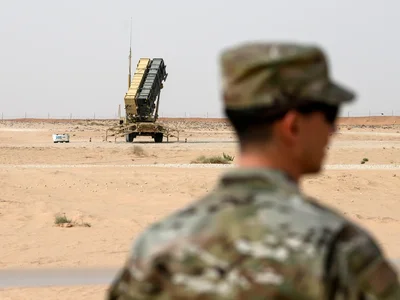
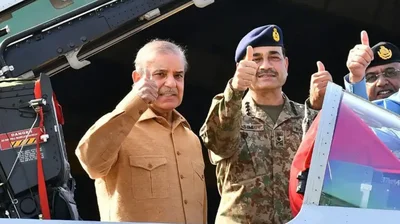
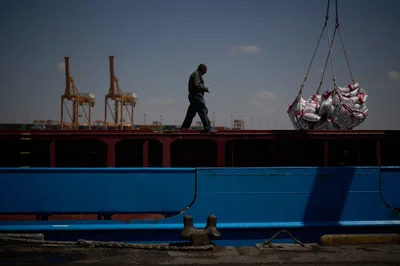
Iran is engaged in an economic war of attrition against the United States, focusing on financial and economic pressure rather than conventional military confrontation. The conflict has exacerbated US economic vulnerabilities, with public debt surpassing 100% of GDP and inflation rising above 3%, limiting the Federal Reserve's options. This economic strain is reflected in declining US presidential approval ratings and weakened demand for US Treasury bonds amid the need to roll over $10 trillion in debt. Concurrently, attacks on Persian Gulf energy infrastructure have disrupted global markets, driving up prices and forcing developing countries to ration fuel and subsidize energy costs. The ongoing conflict threatens prolonged global economic instability, highlighting the strategic impact of Iran’s approach beyond the battlefield.
Iran's Economic War Against US
Sources (4)


More from War & Conflicts
-
Middle East Peace Talks in Islamabad
 research →
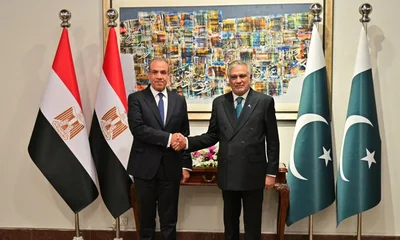
Amid the ongoing US-Israel conflict with Iran, Pakistan has positioned itself as a central diplomatic player by hosting a high-level quadrilateral meeting in Islamabad involving the foreign ministers of Saudi Arabia, Egypt, Turkiye, and Pakistan. The talks aim to consolidate regional support for de-escalation, align positions ahead of potential US-Iran negotiations, and facilitate dialogue to end hostilities that have entered their 30th day. Pakistan's Deputy Prime Minister Ishaq Dar highlighted confidence-building measures, including Iran allowing more Pakistani-flagged ships to pass through the Strait of Hormuz, signaling a positive step toward peace. This diplomatic initiative underscores Islamabad's growing regional influence and the urgent need to stabilize the Middle East amid fears of wider conflict and disruptions to global energy routes.
-
Palestinian Crisis Amid Iran War
 research →
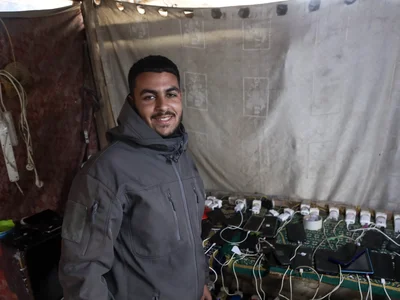
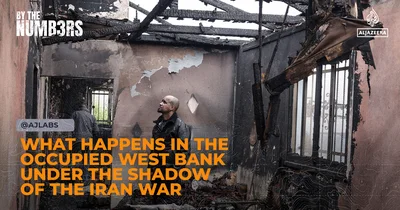
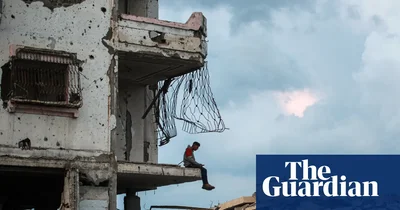
As the war between the US-Israeli coalition and Iran intensifies, Palestinians in Gaza and the occupied West Bank are facing severe hardships exacerbated by the regional conflict. Gaza residents endure relentless drone surveillance, daily shelling, and a crippling electricity shortage, forcing many to live in near-total darkness and displacement. Meanwhile, violence by Israeli settlers in the West Bank has surged under the shadow of the Iran war, further destabilizing the region. The broader Middle East conflict, including Iran-backed Houthi involvement, has escalated economic and security challenges, threatening to deepen the humanitarian crisis for Palestinians and destabilize neighboring areas. This situation highlights the interconnectedness of regional conflicts and the urgent need for international attention to prevent further deterioration.
-
Middle East Nuclear Tensions
 research →
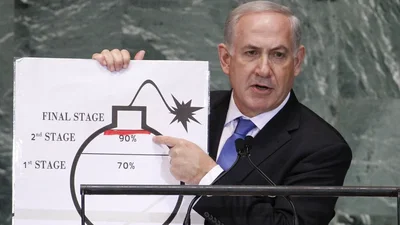
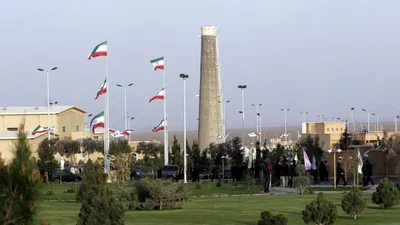
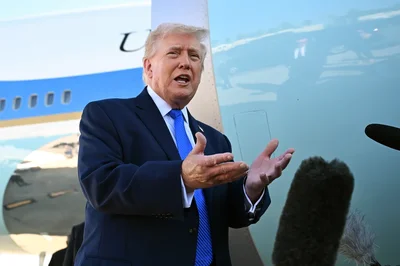
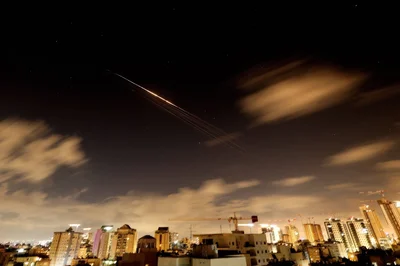
The ongoing war between the US, Israel, and Iran has escalated nuclear tensions in the Middle East, with Iran considering withdrawal from the Nuclear Non-Proliferation Treaty amid intensified attacks on its nuclear and civilian infrastructure. Israel maintains a covert but substantial nuclear arsenal, complicating regional dynamics and raising concerns about a double standard in nuclear policy enforcement. The US has bolstered its military presence in the region, signaling potential ground operations near Iran's critical oil export areas. Despite US President Donald Trump's claims of progressing peace talks, experts remain skeptical about the feasibility of a peaceful resolution, warning that the conflict risks ushering in a new nuclear age with broader global implications.
-
North Korea Missile Engine Test
 research →
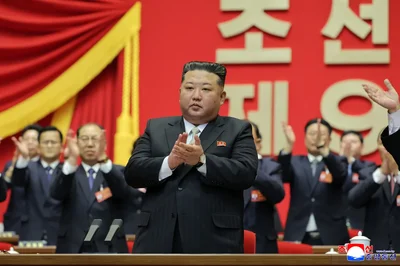
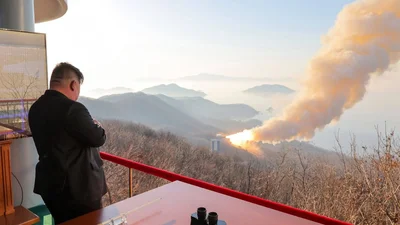
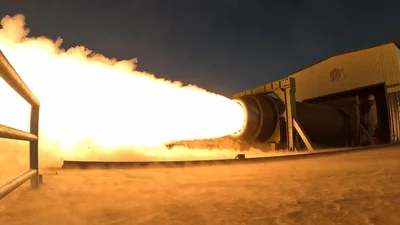
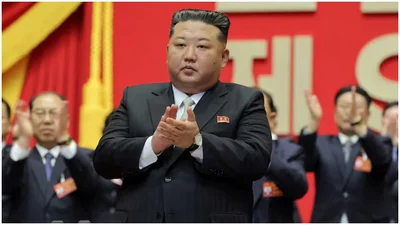
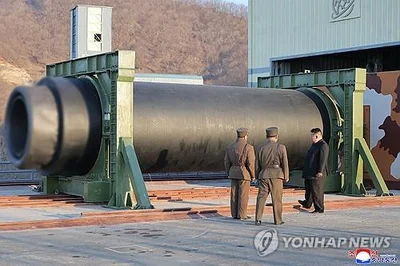
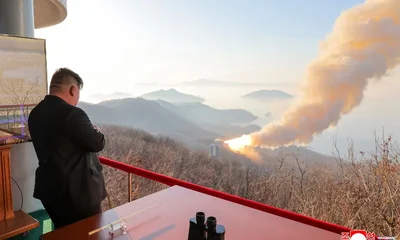
North Korean leader Kim Jong Un recently oversaw a ground test of an upgraded high-thrust solid-fuel rocket engine, marking a significant advancement in the country's missile technology. The engine, made with composite carbon fiber material, produced a maximum thrust of 2,500 kilonewtons, an increase from previous tests. This development is part of North Korea's new five-year national defense plan aimed at enhancing its strategic military capabilities, particularly its intercontinental ballistic missile (ICBM) arsenal capable of reaching the U.S. mainland. The test underscores Pyongyang's intent to modernize and expand its missile forces, raising concerns about regional and global security. Experts note that solid-fuel engines allow for faster missile launches due to reduced preparation time, potentially increasing the threat level.
-
US-Iran Conflict Escalation
 research →
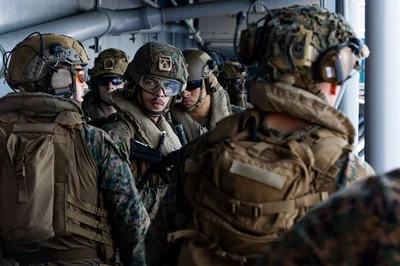
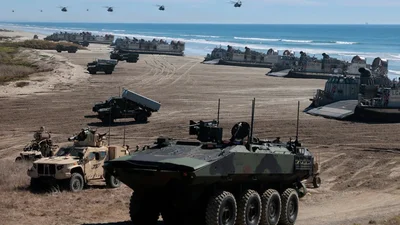
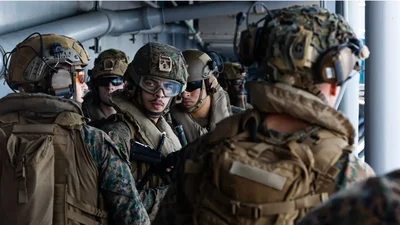
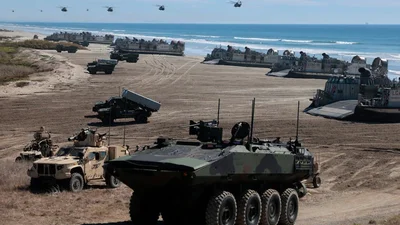
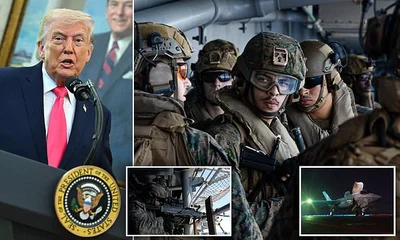
The Pentagon is preparing for a significant escalation in the conflict with Iran, with plans for ground operations that could last several weeks. Thousands of US Marines and sailors, including forces from the 82nd Airborne Division, have arrived in the Middle East aboard the USS Tripoli and other vessels, positioning for potential raids on strategic locations such as Kharg Island and areas near the Strait of Hormuz. While the White House has not yet approved a full-scale invasion, military officials are considering a range of options from limited special operations to broader infantry deployments. This buildup signals a shift toward a more dangerous phase of the war, raising concerns about regional stability and the potential for wider conflict involving multiple actors. The situation remains fluid, with mixed signals from Washington about the extent and timing of any ground campaign.
-
Japan Military Drills in Philippines
 research →
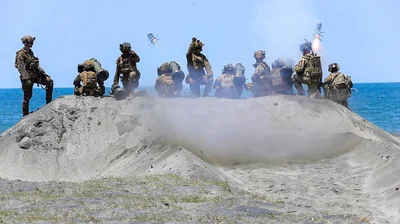
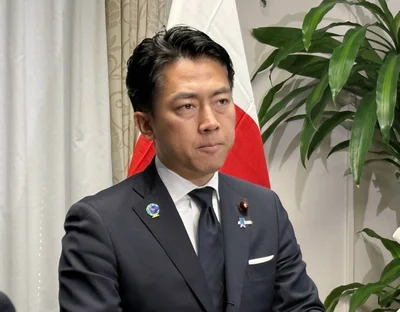
For the first time since World War II, Japan is deploying combat-capable Self-Defense Forces troops to the Philippines to participate in the annual Balikatan military exercises. This marks a significant milestone in regional security cooperation, with Japan joining Philippine, U.S., and Australian forces in what is expected to be the largest iteration of the drills. The deployment, potentially involving around 1,000 Japanese troops, underscores Japan's evolving defense posture amid rising regional tensions, particularly in the Pacific. This move comes as Japan also prepares to establish a new Defense Ministry office focused on Pacific defense, highlighting its strategic shift to bolster security in the region. The exercises occur against the backdrop of resumed South China Sea talks between the Philippines and China, emphasizing the complex security dynamics in Southeast Asia.
-
Houthis Expand War Against Israel
 research →
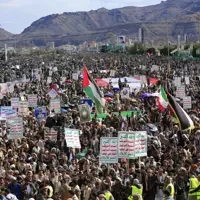
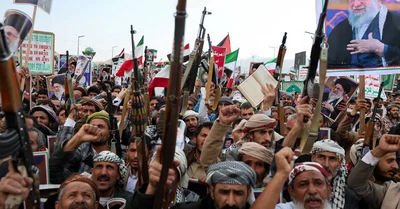
Yemen's Iran-aligned Houthi rebels have escalated the ongoing US-Israel-Iran conflict by launching multiple missile and drone attacks against Israel, marking their first direct military operations in this war. The Houthis declared these strikes as part of their 'Holy Jihad Battle' and vowed to continue their military campaign until what they call 'aggression' ends. This expansion significantly broadens the geographical scope of the conflict, raising regional tensions and complicating US and Israeli military strategies. The US is concurrently preparing for potential ground operations in Iran and reinforcing troops in the region amid mounting casualties. The Houthis’ ability to strike distant targets highlights the risk of further destabilization across the Middle East, including critical shipping lanes near the Arabian Peninsula and Red Sea.