A tragic accident occurred at Mexico City's iconic Azteca Stadium during its reopening match between Mexico and Portugal, where a fan died after falling while attempting to jump between tiers in the VIP area. The incident happened before the game, which ended in a goalless draw, overshadowing the stadium's first event since extensive renovations ahead of the 2026 FIFA World Cup. Local authorities reported the fan was intoxicated at the time of the fall, and medical efforts were unsuccessful. This fatality raises concerns about stadium safety and crowd management as the venue prepares to host the World Cup opening match in June. The event highlights the challenges of ensuring fan safety amid the excitement and high stakes of a major international tournament.
World Cup Stadium Fatal Accident

Sources (4)



More from Disasters & Emergencies
-
Kenya Deadly Flooding Crisis
 research →
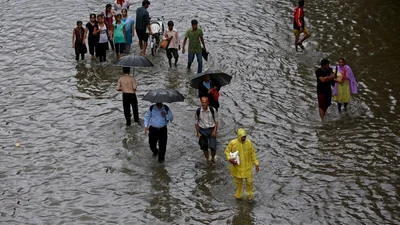
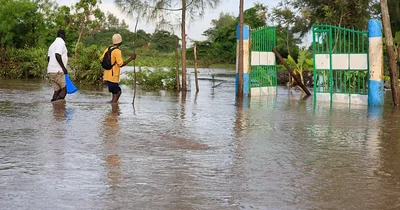
Kenya is grappling with a severe flooding crisis following weeks of torrential rains that began in early March 2026. The floods have resulted in at least 108 confirmed deaths, according to the National Police Service, and have caused widespread destruction including the sweeping away of vehicles, disruption of air traffic, and damage to critical power infrastructure. The disaster has exposed vulnerabilities in urban planning, particularly in Nairobi, where the floods highlighted the consequences of rapid, unplanned urbanization. This crisis underscores the urgent need for improved disaster preparedness and infrastructure resilience in Kenya to mitigate future flooding impacts.
-
Severe Weather and Flooding in Nigeria
 research →
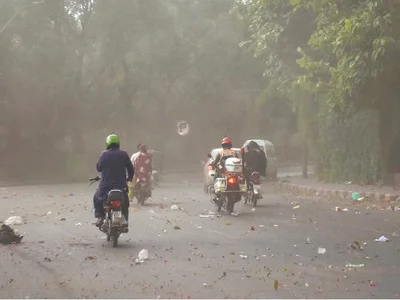
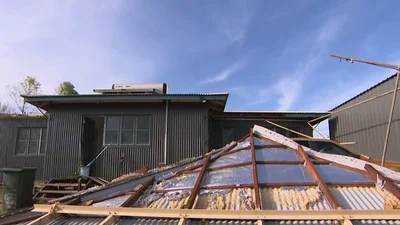
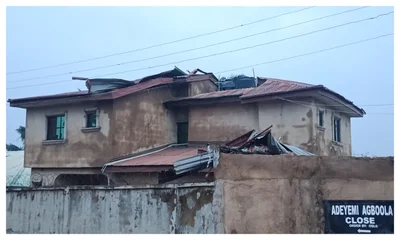
A heavy downpour lasting over an hour struck Osogbo and surrounding communities in Nigeria, causing widespread destruction and significant property damage estimated in millions of naira. The torrential rain, accompanied by strong winds, led to roofs being blown off buildings, perimeter fences collapsing, and damage to electricity supply cables across the state capital. Residents are currently assessing the full extent of the losses, highlighting the vulnerability of the area to severe weather events. This incident underscores the increasing challenges posed by extreme weather in Nigerian urban centers, impacting infrastructure and residents' livelihoods.
-
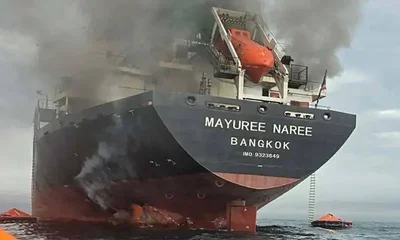
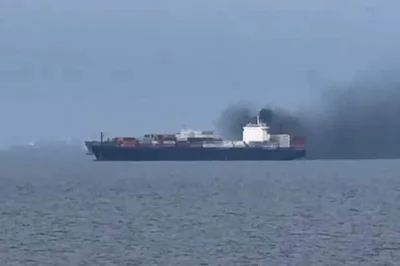
Middle East Conflict Impacts Maritime Safety
 research →
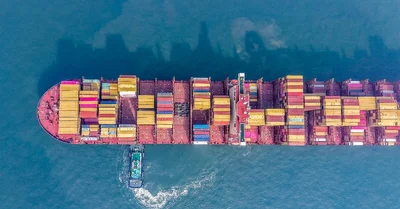
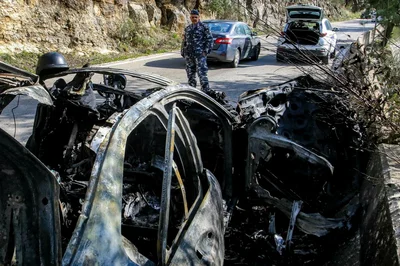
The ongoing Middle East conflict, marked by repeated Israeli-American strikes near Iran's Bushehr nuclear power plant, has escalated regional tensions and raised serious concerns about nuclear safety, as highlighted by Russia's Rosatom and the International Atomic Energy Agency. Concurrently, the war has severely disrupted maritime operations in the Gulf, with seafarers trapped on vessels facing critical shortages of food, water, and medical supplies, urgently seeking repatriation and support. The conflict has also driven up maritime insurance costs for ships navigating the vital Strait of Hormuz, as insurers reassess war risk policies amid heightened threats from Iranian forces. These developments threaten global freight routes and underscore the broader humanitarian and economic fallout from the conflict. The situation demands urgent international attention to ensure nuclear safety and protect maritime workers and commerce in this strategic region.
-
Australia Blood-Red Sky
 research →
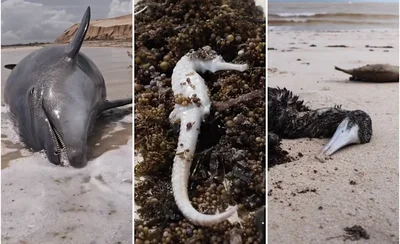
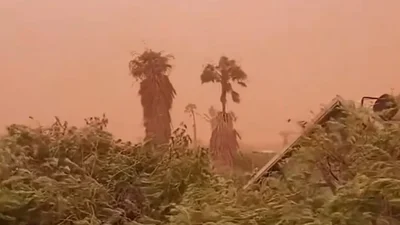
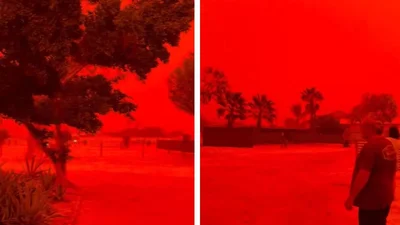
On March 27, 2026, the skies over Western Australia, including regions like Shark Bay and the Pilbara, turned an eerie blood-red color due to a rare atmospheric phenomenon caused by Tropical Cyclone Narelle. The cyclone's intense winds lifted vast amounts of iron-rich dust from the arid outback into the atmosphere, creating the striking crimson daylight. This event coincided with severe weather impacts including 250 km/h winds, heavy rainfall causing flooding, and significant damage to coastal communities such as Exmouth. The cyclone also led to devastating environmental effects, with marine life washing up on Ningaloo beaches. The blood-red sky phenomenon highlights the powerful and multifaceted impacts of tropical cyclones on both natural environments and human settlements.
-
Pakistan Disaster Preparedness Funding
 research →
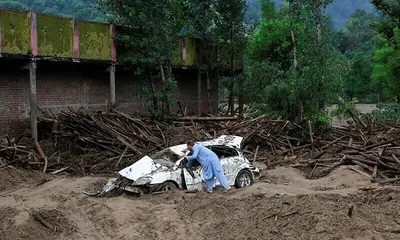
The World Bank is set to approve a $250 million loan to Pakistan aimed at enhancing resilience and disaster preparedness in the flood-prone Khyber Pakhtunkhwa province. This funding, provided through the International Development Association, targets early action and improved flood management in a region that has suffered over $2.3 billion in damages from floods in recent years. The loan approval is expected by June 2026 and aligns with Pakistan's broader efforts to shift towards proactive climate risk management, including a newly unveiled national drought action plan. These initiatives come amid ongoing weather warnings from the Pakistan Meteorological Department about heavy rains and flash flood risks, underscoring the urgency of strengthening disaster readiness. The funding and policy measures are critical for reducing future economic losses and protecting vulnerable communities in the face of increasing climate variability.
-
India Heatwave and Health Warnings
 research →
India is currently experiencing intense summer heat, prompting the Kerala Health Department to issue guidelines warning residents about symptoms of heat-related illnesses such as skin burns, fatigue, dizziness, and dehydration. The health advisory urges people to take self-protective measures to avoid serious conditions like heat stroke. This heatwave comes amid forecasts of an approaching western disturbance expected to bring rain, snow, and thunderstorms to parts of India, which may help alleviate the heat temporarily. The situation is critical as prolonged exposure to high temperatures poses significant health risks, especially to vulnerable populations. These developments highlight the urgent need for public awareness and preparedness to mitigate the adverse effects of extreme weather conditions.
-
Cyclone Narelle Impact
 research →
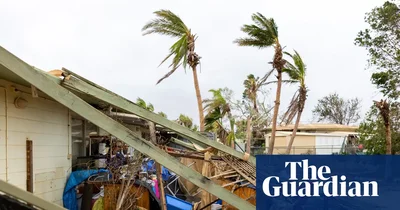
Cyclone Narelle, a category 3 system, struck Western Australia's Coral Bay and surrounding coastal regions, bringing destructive winds up to 250km/h and heavy rainfall equivalent to a year's worth in a single day. The cyclone caused significant flooding in river catchments and left the tourist town of Exmouth isolated and inundated, triggering a massive cleanup effort. The storm also severely impacted marine life, with devastating scenes of marine creatures washing up on Ningaloo beaches. While some towns like Kalbarri were spared the worst by the cyclone passing further inland, the overall impact on Western Australia's coastal communities and environment remains substantial, highlighting ongoing challenges in cyclone preparedness and recovery.