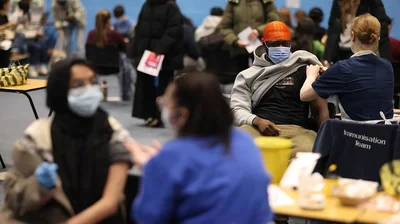
The ongoing Iran war has disrupted global supply chains, particularly affecting the availability of raw materials essential for medicine production. Reports from the UK warn of imminent medicine shortages if the conflict continues, with potential surges in drug prices. In Pakistan, despite official denials from the Drug Regulatory Authority of Pakistan (Drap) regarding price hikes, significant increases of up to 500% have been observed in Rawalpindi's pharmaceutical markets. Meanwhile, New Zealand's Pharmac is monitoring supply risks but has not yet faced major shortages. These developments highlight the global ripple effects of geopolitical conflicts on healthcare access and affordability.
Health & Medicine
Medicine Supply Chain Risks

Sources (4)
Drap dismisses reports of essential medicine price hikes amid global supply chain uncertainty
29 Mar 2026, 08:01

Pharmac keeping an eye on supply risks amid Mideast conflict
29 Mar 2026, 04:19

UK ‘weeks away from medicine shortages’ if Iran war continues, experts warn
28 Mar 2026, 16:40
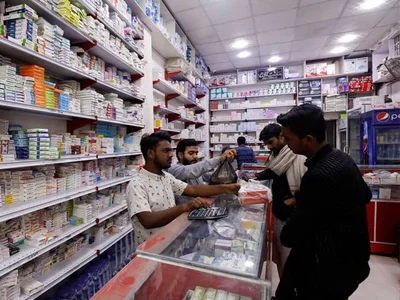
Drug prices surge up to 500% in Pindi
28 Mar 2026, 16:11
More from Health & Medicine
-
AI in Cancer Drug Repurposing
 research →
A groundbreaking initiative led by an American biologist aims to leverage artificial intelligence to identify anticancer properties in thousands of off-patent drugs that are often overlooked due to low profitability. Motivated by the loss of her mother to cancer, she is pioneering AI-driven drug repurposing to bring new treatment options to patients. This approach could revolutionize oncology by making effective, affordable therapies more accessible and personalized. The story highlights the broader potential of AI in medicine, as seen in other cases where AI has uncovered hidden diagnoses and nuanced patient differences. Such innovations mark a significant shift towards data-driven, biology-focused healthcare solutions.
-
AI Diagnoses Sleep Apnea
research →
A 62-year-old man in India suffered from multiple chronic health issues and unexplained severe headaches for 25 years despite consulting various specialists. His family turned to Anthropic's AI chatbot Claude, which quickly suggested sleep apnea as a potential cause. A subsequent sleep study confirmed the diagnosis, and treatment with a CPAP machine alleviated his headaches. This case, shared on Reddit's r/ClaudeAI community, sparked widespread discussion about the transformative role AI can play in identifying overlooked medical conditions. The story highlights AI's potential to bridge diagnostic gaps across specialties and improve patient outcomes.
-
GLP-1 Weight Loss Benefits
 research →
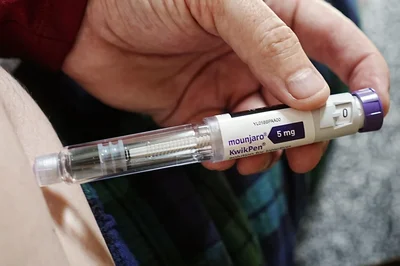
GLP-1 class weight-loss drugs, popularized in the early 2020s, have shown benefits beyond shedding pounds, including reducing harmful inflammation linked to cancer, dementia, and cardiovascular disease. One in eight Americans now use these drugs, highlighting their widespread adoption. Recent research also indicates that combining menopausal hormone therapy with GLP-1 drugs like tirzepatide can boost weight loss by 35% in postmenopausal women. This expanding understanding of GLP-1 drugs' health impacts marks a significant shift in obesity treatment and metabolic health management worldwide.
-
Ozempic-like Pill for Alcohol Addiction
research →
Emma Griffiths, who secretly consumed over ten bottles of wine weekly despite maintaining a successful career and active lifestyle, overcame her alcohol addiction using a new £3 pill dubbed the 'Ozempic of alcohol.' This medication, inspired by the GLP-1 class of drugs originally developed for weight loss, shows promise in treating alcohol dependency by reducing cravings and consumption. The development is significant as it offers a low-cost, accessible treatment option for alcohol addiction, a condition often difficult to manage with existing therapies. The pill's emergence follows the growing interest and research into GLP-1 drugs' broader health benefits beyond weight loss, including potential applications in addiction treatment.
-
Pandemic Agreement Extension
 research →
The World Health Organization (WHO) has announced an extension of negotiations on a crucial pandemic agreement aimed at preventing the chaos experienced during the Covid-19 crisis. Member states have been engaged in talks at the WHO headquarters in Geneva, focusing on the Pathogen Access and Benefit-Sharing (PABS) system, which is the last unresolved component of the treaty. The extension highlights the complexity and importance of reaching a consensus on equitable access to health products during pandemics. This agreement is significant for global health security as it seeks to ensure better preparedness and coordinated responses to future health emergencies.
-
Hepatitis C Eradication Taiwan
 research →
Taiwan is making significant strides in the fight against hepatitis C, a major global public health challenge affecting an estimated 58 million people worldwide. Despite the absence of a vaccine, hepatitis C is now curable through highly effective direct-acting antiviral (DAA) therapies that require only 8 to 12 weeks of treatment. The World Health Organization's Glasgow Declaration on Viral Hepatitis, launched in 2015, aims to eliminate viral hepatitis as a public health threat by 2030, providing a global framework that Taiwan is actively supporting. Taiwan's efforts exemplify the progress possible with focused public health initiatives and access to advanced treatments, highlighting a hopeful path toward eradicating hepatitis C. This progress is crucial as it reduces the burden of chronic liver disease and prevents long-term complications such as liver cancer.
-
Lassa Fever Concentration Nigeria
 research →
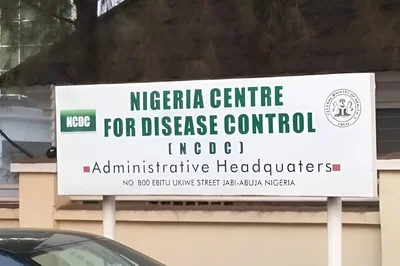
The Nigeria Centre for Disease Control and Prevention (NCDC) has reported that 85% of Lassa fever cases in 2026 are concentrated in just five states: Bauchi, Ondo, Taraba, Benue, and Edo. Bauchi leads with 28% of infections, followed by Ondo (21%) and Taraba (19%). Although weekly cases show signs of decline, the heavy concentration in these regions highlights ongoing public health challenges. This concentration is significant for targeted disease control and resource allocation to curb further spread. Monitoring and intervention remain critical to prevent outbreaks in other states.