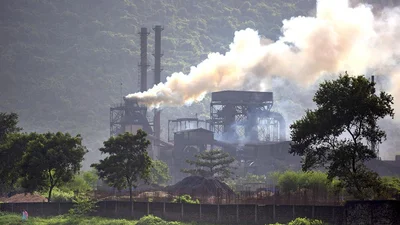
A recent analysis by Folha de S.Paulo reveals that the 50 Brazilian municipalities with the highest rates of deforestation have an average income 27% below the national municipal average. This study compared deforestation data from 2008 to 2022 with the most recent income data from 2022, highlighting a persistent economic disparity in regions heavily impacting the environment. The findings suggest that lower-income areas may be more reliant on activities that drive deforestation, raising concerns about sustainable development and environmental policy effectiveness in Brazil. Understanding this correlation is crucial for designing targeted interventions that address both economic development and environmental conservation.
Energy & Climate
Deforestation and Income in Brazil

Sources (1)
More from Energy & Climate
-
Community Micro-Hydropower in Dominican Republic
 research →
The Dominican Republic is making significant strides in rural electrification through the implementation of community micro-hydropower plants. According to the 2022 World Small Hydropower Development Report, the country boasts 98 percent electricity access in rural areas, with hydropower playing a key role due to its installed capacity of 623 megawatts. Unlike many Caribbean nations that rely solely on small hydropower plants, the Dominican Republic also operates large hydropower facilities, positioning it as a regional leader in renewable energy. These community-based micro-hydropower projects are revolutionizing isolated areas by providing reliable and sustainable electricity, which is crucial for local development and improving quality of life. This progress highlights the potential of small-scale renewable energy solutions to bridge the rural energy gap in developing regions.
-
India Solar Manufacturing Growth
 research →
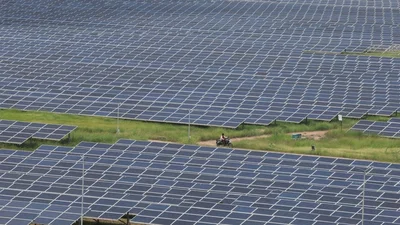
India has achieved a remarkable transformation in its solar energy sector over the past decade, scaling its solar module manufacturing capacity from just 3 GW to an impressive 172 GW. This rapid expansion was highlighted by Union Minister Pralhad Joshi in the Lok Sabha, underscoring India's commitment to renewable energy and its role in combating climate change. The growth aligns with India's updated Nationally Determined Contribution (NDC), which aims for 60% of installed electric capacity from non-fossil sources by 2035 and significant reductions in emissions intensity. This development is crucial as it positions India as a global leader in clean energy manufacturing, supporting both domestic energy needs and international climate goals. The surge in solar manufacturing capacity also reflects broader policy support and technological advancements driving sustainable development.
-
Energy Price Impact on India Real Estate
 research →
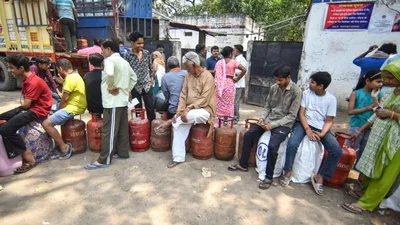
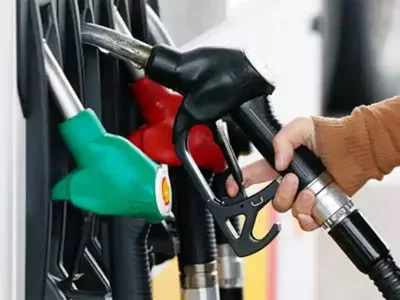
The ongoing Middle East conflict has caused a sharp rise in global crude oil and natural gas prices, with crude oil prices surging nearly 50% since late February 2026. India, heavily reliant on imports for its energy needs, is facing increased fuel costs and supply chain disruptions. These energy price hikes are significantly impacting India's real estate sector by driving up construction costs and causing delays in the supply of critical building materials. Additionally, shortages in LPG have forced households and markets to shift to alternatives like piped natural gas, prompting government initiatives to expedite PNG clearances to mitigate the crisis. This situation underscores the vulnerability of India's infrastructure development to global energy market volatility and geopolitical tensions.
-
Battery Technology and Price Spikes
 research →
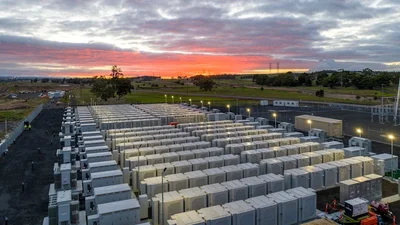
Amid ongoing global energy challenges exacerbated by the Iran war and Middle East conflict, battery technology is emerging as a critical factor in managing electricity supply and costs. Renewable energy-powered batteries are increasingly displacing traditional gas plants, helping to mitigate fuel price spikes and reduce electricity bills. However, the surge in demand and supply chain disruptions have also contributed to rising prices for consumer electronics, such as Sony's PlayStation 5 consoles, which have seen significant price hikes. Innovations like Dell's adoption of supercapacitors in wireless peripherals offer promising alternatives to traditional lithium-ion batteries, enabling faster charging and longer device life. These developments highlight the dual role of battery technology as both a solution to energy crises and a driver of new market dynamics in consumer tech pricing.
-
Electricity Theft Crisis in Lagos
 research →
Lagos is facing a severe electricity theft crisis that is pushing small and medium-sized enterprises (SMEs) to the brink of collapse, as highlighted by the struggles of local businesses like Lateefat Olofin’s restaurant. The theft of electricity cables has led to frequent power disruptions, exacerbating the challenges for businesses already coping with high temperatures and operational difficulties. This crisis is part of a broader pattern of infrastructure challenges in Nigeria, where erratic power supply affects daily life and economic activities. The situation underscores the urgent need for enhanced security measures and infrastructure investment to stabilize electricity supply and support economic resilience in Lagos.
-
Solar Panel Adoption in England and Wales
 research →
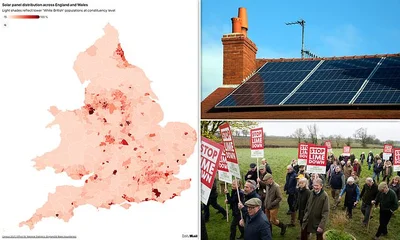
More than 1.6 million homes in England and Wales have installed solar panels, marking a significant shift towards renewable energy at the residential level. The Daily Mail's interactive map reveals stark regional disparities, with Plymouth Moor View leading as the solar panel hotspot at 144 installations per square kilometer, while areas like Hexham in Northumberland remain solar dead zones. This widespread adoption reflects ongoing efforts to meet Net Zero targets, despite criticism of the government's approach as 'tone deaf.' The trend highlights both the growing public engagement with clean energy solutions and the challenges of achieving uniform solar uptake across the country.
-
UK Electric Vehicle Support
 research →
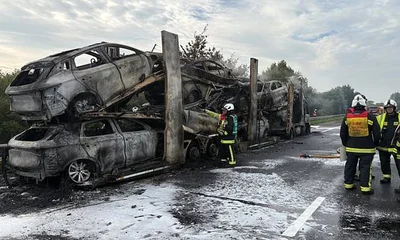
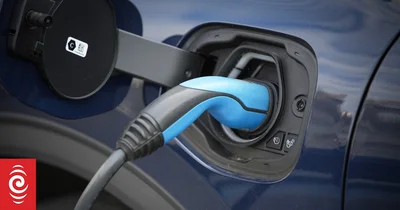
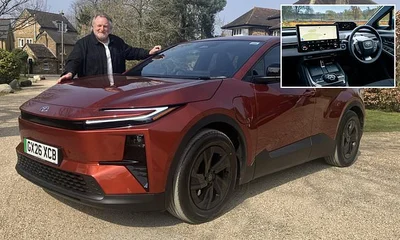
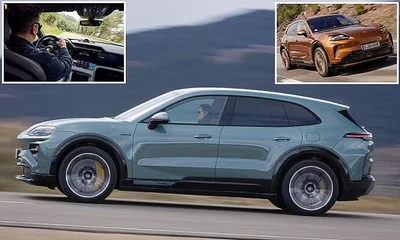
The UK is making significant strides in supporting the transition to electric vehicles (EVs), with organizations like the RAC enhancing driver assistance by equipping patrol vans with emergency mobile charging systems and advanced recovery methods tailored for EVs. This support comes amid broader shifts in the automotive sector, including the launch of powerful electric models such as Porsche's 1,140bhp Cayenne Electric SUV and the availability of affordable electric cars like Toyota's C-HR+. However, challenges remain, notably safety concerns around hybrid vehicles, as emergency services begin tracking fire causes linked to hybrid car batteries, and manufacturers like Ford addressing battery defects in their plug-in hybrids. These developments highlight the UK's commitment to sustainable transport while navigating the complexities of EV safety and infrastructure.