South Korea currently enjoys unprecedented global prestige through its cultural and technological influence, often referred to as the 'K-wave,' which has become a global gold standard for innovation and lifestyle. However, beneath this international acclaim lies a fragile domestic reality marked by regional decline, record small business closures, and a younger generation burdened by debt and limited social mobility. This contrast between Korea's external soft power and internal socioeconomic challenges raises concerns about the sustainability of its global standing. The situation underscores the need for Korea to address its internal structural issues to maintain and build upon its international influence. These challenges come amid broader geopolitical uncertainties involving the U.S. and North Korea, adding complexity to Korea's future trajectory.
Korean Soft Power Challenges

Sources (2)

More from Society & Migration
-
Middle East Journalist Killings
 research →
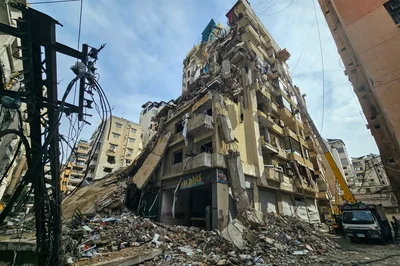
On March 28-29, 2026, an Israeli air strike in southern Lebanon killed three Lebanese journalists traveling in a clearly marked press vehicle. The journalists killed included Ali Shuaib of Hezbollah-affiliated Al Manar TV and Fatima Ftouni and Mohammed Ftouni of Al Mayadeen. Israel claimed that Shuaib was a member of Hezbollah’s elite Radwan Force and accused him of operating under the guise of journalism to expose Israeli troop positions, allegations denied by the media outlets. The attack also targeted rescue workers and paramedics responding to the scene, resulting in additional deaths and raising serious concerns about violations of international law and the safety of media and medical personnel in conflict zones. The incident drew condemnation from Lebanon, Iran, and press watchdogs, highlighting the escalating dangers faced by journalists covering the ongoing Middle East conflict.
-
EU Migrant Deportation Expansion
 research →
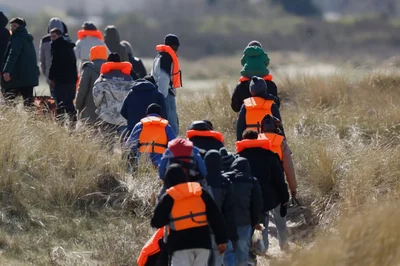
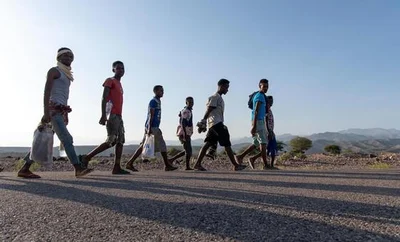
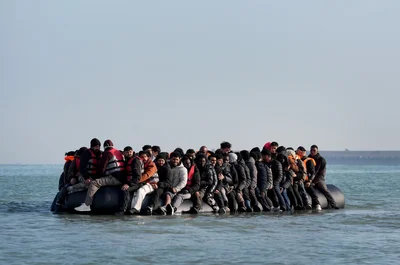
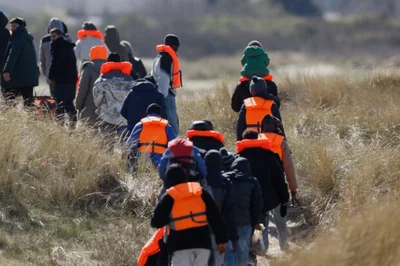
The European Union is intensifying its migration control measures by expanding powers to track, raid, and deport migrants to 'return hubs' located in third countries, primarily in Africa. This approach mirrors controversial tactics previously employed by the Trump administration in the United States, drawing criticism across the EU's 27 member states. The move follows the rise of right-wing governments within Europe since 2024 and aims to prevent a repeat of the 2015 migration crisis triggered by the Syrian civil war. However, these policies raise serious concerns about due process and human rights, as migrants are often deported without meaningful notice or legal protections. The broader context includes ongoing migration challenges along perilous routes through Libya and the Horn of Africa, highlighting the humanitarian and political complexities of managing migration in the region.
-
US Visa and Immigration Policy Changes
 research →
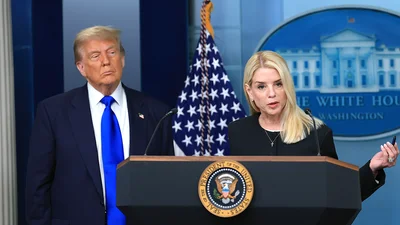
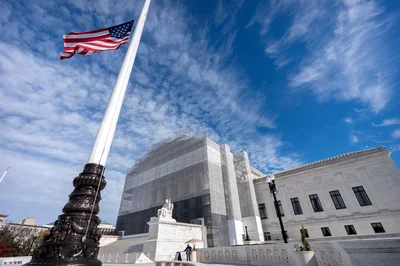
The Trump administration has introduced significant changes to US visa and immigration policies, including tightening visa rules for H-1B workers by adding social media checks and proposing a substantial wage increase for these visa holders. Concurrently, the administration is challenging the long-standing principle of birthright citizenship, drawing on historical legal precedents and framing the issue as one of fraud and national security. These moves come amid ongoing legal battles and public opposition to the administration's hardline immigration enforcement tactics, which have included mass deportations and raids. The evolving policies and court challenges highlight a critical moment in US immigration law, with potential wide-reaching impacts on immigrants, employers, and the broader national discourse on citizenship and security.
-
German Healthcare Cost Reform
 research →
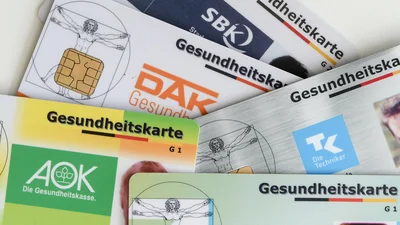
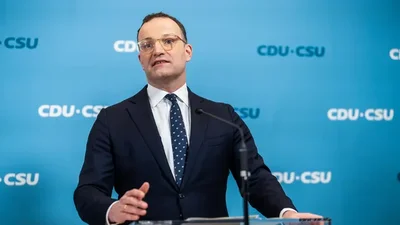
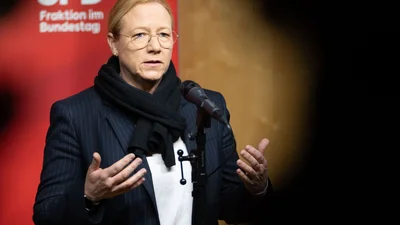
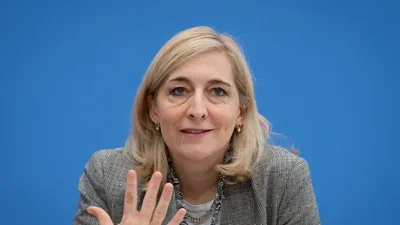
Germany is facing a significant rise in healthcare costs, with statutory health insurance funds (GKV) expected to spend around one billion euros daily in 2026, outpacing their income growth. In response, Health Minister Nina Warken has convened an expert commission to propose reforms aimed at halting this cost spiral. The debate is highly contentious, with employers demanding a temporary spending freeze and efficiency improvements, while the GKV and SPD firmly reject cuts or increased financial burdens on patients. The coalition government plans to introduce reforms in three stages, emphasizing systemic efficiency and financial stabilization without compromising patient benefits. This issue is critical as it impacts the sustainability of Germany's healthcare system and the financial well-being of millions of insured citizens.
-
South Asia Urban and Environmental Crisis
 research →
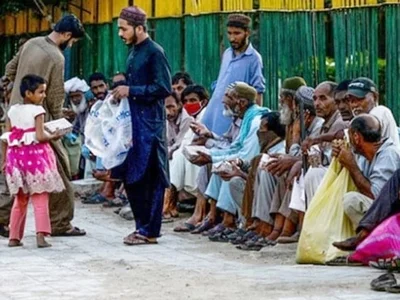
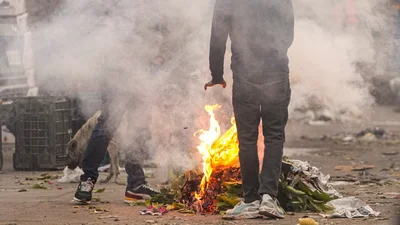
South Asia is facing severe urban and environmental challenges, highlighted by the extreme pollution in Loni, India, ranked the world's most polluted city in 2025. Karachi, Pakistan's commercial hub, is struggling with deteriorating infrastructure and has been ranked the fourth least liveable city globally, compounded by rising urban poverty now estimated at 43.5%. These issues stem from mismanagement, inadequate infrastructure development, and socio-economic disparities, threatening the quality of life and economic stability in these major urban centers. The situation underscores the urgent need for coordinated policy interventions to address pollution control, urban planning, and poverty alleviation in the region.
-
No Kings Protests Worldwide
 research →
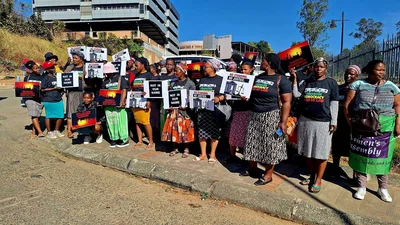
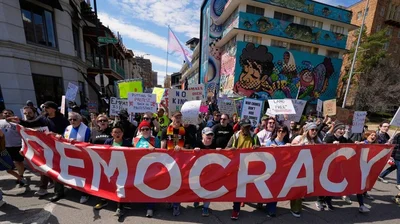
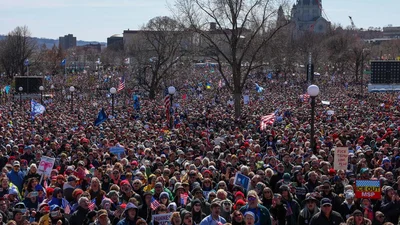
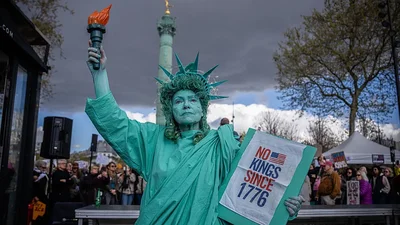
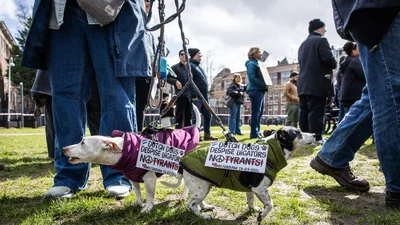
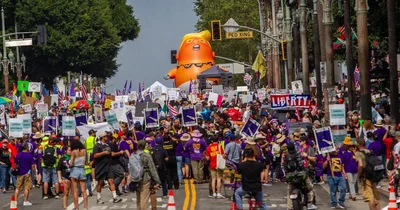
Millions of protesters participated in the third installment of the 'No Kings' rallies on March 29, 2026, across the United States and globally, including Europe, Latin America, and Australia. The demonstrations primarily targeted President Donald Trump's policies, including his hardline immigration enforcement, climate change denial, and the ongoing war in Iran initiated alongside Israel. Minnesota emerged as a focal point with over 100,000 attendees, featuring notable figures like Bruce Springsteen and Joan Baez, symbolizing widespread resistance. Organizers anticipated these protests to be among the largest single-day non-violent demonstrations in U.S. history, reflecting growing domestic and international opposition to Trump's administration. The scale and global reach of the protests underscore significant political unrest and public dissent during Trump's second term.
-
Mt Albert Rental Party Violence
 research →
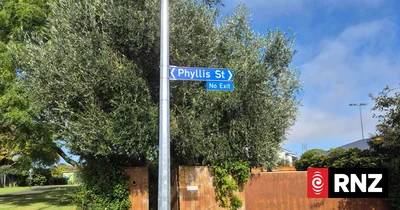
A violent incident erupted at a short-term rental property on Phyllis Street in the Auckland suburb of Mt Albert on the night of March 27, 2026, resulting in four people being hospitalised, including one in serious condition after surgery. The disturbance involved a vehicle driving towards partygoers and reports of machete attacks, causing teenagers to flee in panic. Neighbours have expressed ongoing concern about repeated out-of-control parties at local rental properties, calling for stronger action. Police are actively investigating the event and urging witnesses to come forward with information or footage to aid their inquiries. This incident highlights the challenges communities face with managing short-term rental properties and associated public safety risks.