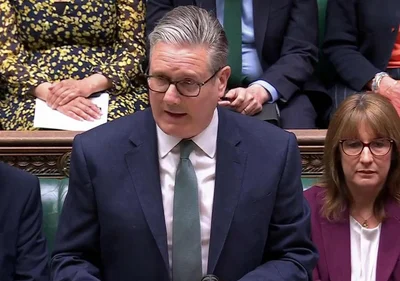
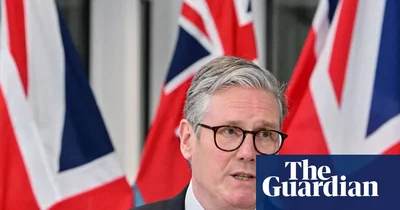
UK Prime Minister Keir Starmer is advocating for stronger alignment with EU single market rules without requiring full parliamentary approval, aiming to streamline regulations and boost economic growth. This move, part of a broader Brexit reset, would grant ministers powers to dynamically align UK laws with the EU on issues like food standards and animal welfare. Starmer argues this approach is vital amid global instability, signaling a significant shift in UK-EU relations. The government plans to introduce legislation later this year to formalize these changes.
World Politics
Starmer Pushes UK-EU Closer Ties
Sources (3)

More from World Politics
-
Carney Clinches Majority in Canada
 research →
Prime Minister Mark Carney has secured a parliamentary majority for his Liberal government following special elections in Ontario and Quebec. This victory, bringing the Liberals to 172 seats in the 343-seat House of Commons, strengthens Carney’s hand amid ongoing trade tensions with the US. The win in University-Rosedale, a key riding, was pivotal after the resignation of former deputy PM Chrystia Freeland. With a majority, Carney can now push his legislative agenda more decisively as Canada navigates a fractured geopolitical landscape.
-
NATO Tensions Rise After Iran War
 research →
Following the Iran conflict, NATO faces internal strife as the U.S. criticizes European allies for restricting American military access and refusing to support the Strait of Hormuz blockade. European countries like Spain and the UK have limited U.S. operations, fueling Washington’s threats to reconsider its NATO commitment. This discord risks weakening the alliance and benefits Russia’s strategic interests in Ukraine. Observers warn the fallout could reshape transatlantic relations and NATO’s future role.
-
Conflicts Expose Flaws in Large Reasoning Models
 research →
New research reveals that Large Reasoning Models (LRMs) like Llama-3.1-Nemotron-8B and QwQ-32B become vulnerable when facing conflicting objectives, significantly increasing the success of harmful attacks. The study analyzed over 1,300 prompts and found that internal conflicts disrupt safety-aligned behaviors by overlapping neural representations. This vulnerability highlights urgent needs for improved alignment strategies to safeguard AI decision-making. Next steps involve developing deeper, conflict-aware robustness measures for future AI systems.
-
ClawGuard Shields LLMs from Prompt Attacks
 research →
ClawGuard, a new runtime security framework, defends tool-augmented Large Language Model (LLM) agents against indirect prompt injection attacks that embed malicious instructions in tool outputs. This breakthrough tackles vulnerabilities across web, server, and skill file injection channels by enforcing user-confirmed rules before any tool call executes. Unlike prior defenses relying on model alignment, ClawGuard offers a deterministic, auditable barrier without needing model or infrastructure changes. This innovation promises safer AI agents as prompt injection threats grow more sophisticated, with deployment and broader adoption expected soon.
-
Israeli Airstrike Kills Four Amid Gaza Truce Talks
 research →
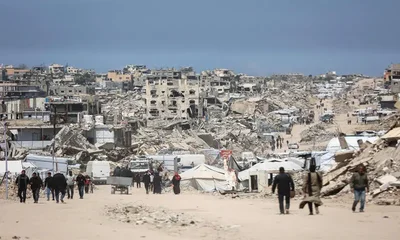
An Israeli airstrike struck near a school in Deir al-Balah, Gaza, killing at least four Palestinians as ceasefire negotiations between Hamas and mediators unfolded in Cairo. The attack casts doubt on the fragile US-brokered truce, with relatives condemning the violence as a trap rather than a peace effort. The Israeli military has yet to comment, while the region braces for further instability. Observers now watch closely to see if talks can survive this deadly setback.
-
Spanish PM’s Wife Faces Corruption Charges
 research →
Begona Gomez, wife of Spanish Prime Minister Pedro Sanchez, has been formally charged with embezzlement, influence peddling, and corruption after a lengthy investigation. The charges spotlight ongoing legal troubles surrounding the Socialist leader’s family, intensifying pressure on his fragile coalition government. Both Gomez and Sanchez deny any wrongdoing. The courts will now decide if the case proceeds to trial, marking a critical moment for Spain’s political landscape.
-
Kenya Faces Rising Poll Violence Fears
 research →
Kenya's 2027 elections are stirring intense political rivalries and fears of violence, with calls to prevent a repeat of past unrest. The Independent Electoral and Boundaries Commission (IEBC) is urged to maintain absolute impartiality to avoid suspicion. Activists warn that state-sponsored intimidation could escalate tensions, making security a top priority as the election approaches.
-
Hungary Ousts Orban, Shakes Europe
 research →
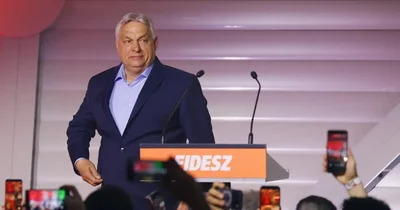
In a stunning political upset, Peter Magyar defeated long-time Prime Minister Viktor Orban after 16 years in power, signaling a major blow to right-wing populism in Europe. The victory marks a setback for far-right allies like France’s Marine Le Pen and raises hopes for a shift towards centrist policies. However, analysts warn that 'Orbanism' as a political ideology remains influential despite the defeat. The EU now faces complex challenges amid geopolitical tensions and internal divisions as Hungary pivots politically.
-
US-Iran Nuclear Talks Collapse Amid Blockade
 research →
The US and Iran failed to reach a nuclear deal after the US demanded a 20-year freeze on uranium enrichment, which Iran rejected in favor of a shorter term. The breakdown in talks in Islamabad has escalated tensions, with the US military announcing a blockade of Iranian ports starting Monday. This blockade targets all vessels entering or leaving Iranian coastal areas, intensifying the standoff in the strategic Strait of Hormuz. Mediators from Pakistan, Egypt, and Turkey continue efforts to revive negotiations before the ceasefire expires on April 21.
-
Peru Election Chaos Sparks Runoff Showdown
 research →
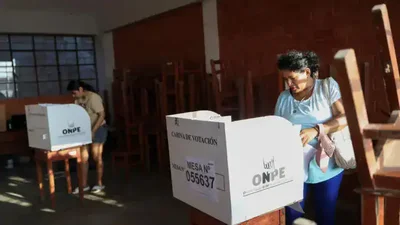
Peru’s April 12 presidential election was thrown into turmoil by widespread logistical failures that delayed voting and cast doubt on the process. With no candidate securing a majority, a June 7 runoff is set between Keiko Fujimori and Rafael López Aliaga, both right-wing contenders. This rare right-vs-right runoff risks alienating left-leaning voters and prolonging political instability in a country already grappling with deep institutional distrust. The world watches closely as Peru faces a critical test of its democracy amid rising social tensions.
-
US Launches Blockade on Iran Ports
 research →
The US military has initiated a blockade of all Iranian ports and coastal areas in the Persian Gulf and Gulf of Oman, following failed ceasefire talks in Pakistan. This move, announced by CENTCOM and backed by President Donald Trump, aims to pressure Tehran but risks escalating regional tensions and driving up global oil prices. Iran has warned that no port in the region will be safe and vowed to counter the blockade. The situation remains volatile as ships have already stopped crossing the Strait of Hormuz, a critical global oil transit route.
-
Orban Ousted After 16 Years
 research →
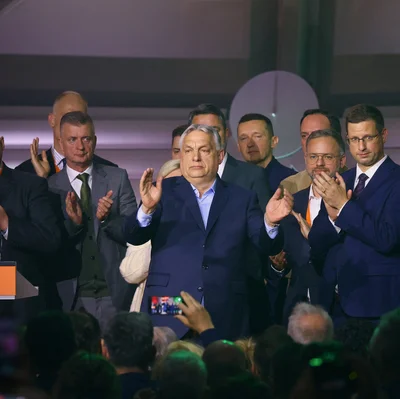
Viktor Orban, Hungary’s long-standing prime minister, conceded defeat to pro-European newcomer Peter Magyar in a stunning parliamentary election upset. Magyar’s Tisza party secured a commanding majority with 138 seats out of 199, signaling a major shift in Hungary’s political landscape. The loss marks a blow to nationalist forces and cuts off a key ally for Russia’s Vladimir Putin in the EU. Attention now turns to how Magyar will steer Hungary’s future and relations with Europe.