Life Insurance Corporation of India (LIC) has announced its inaugural 1:1 bonus share issue, offering one fully paid equity share for every share held by its nearly 22 lakh shareholders. The board approved capitalizing up to Rs 6,325 crore from reserves to fund this move, subject to shareholder approval. Bonus shares are expected to be credited by June 12, 2026, marking a significant reward for investors and signaling LIC’s strong financial health. Shareholders await the official record date announcement next.
Business & Economy
LIC Declares First Ever 1:1 Bonus Issue

Sources (3)

More from Business & Economy
-
Goldman Sachs, Ardian Buy $1B US Stake
 research →
Goldman Sachs and Ardian have jointly acquired a $1 billion US private equity stake from China Investment Corporation, marking a significant move in cross-border investment. This deal highlights growing Western interest in US assets amid shifting global capital flows. The acquisition positions both firms to capitalize on US market opportunities, while signaling confidence despite geopolitical tensions. Industry watchers will be keen to see how this influences future sovereign wealth fund transactions.
-
Trump Threatens 50% Tariffs on China Over Iran Arms
 research →
President Donald Trump has escalated tensions by threatening a 50% tariff on Chinese goods if Beijing supplies military aid to Iran, specifically citing reports of air defense systems shipments. This move aims to pressure China amid the ongoing Iran conflict, potentially reshaping global trade and diplomatic relations. Markets are closely watching as China’s export growth already shows signs of strain due to the war. The next steps hinge on whether China proceeds with the arms delivery or backs down under economic threat.
-
Private Banks Outpace Public in Q4 Profits
 research →
Private lenders are set to outperform public sector banks in Q4 FY26, with net profit growth nearing 12% year-on-year compared to a modest 2% rise for public banks, analysts say. Despite margin pressures and geopolitical uncertainties from the Middle East conflict, asset quality remains stable. Key factors include an 8.4% growth in net interest income for private banks and rising bond yields impacting treasury gains. Market watchers will closely monitor how these trends affect the broader banking sector's resilience going forward.
-
Private Credit Risks Exposed Amid Rush
 research →
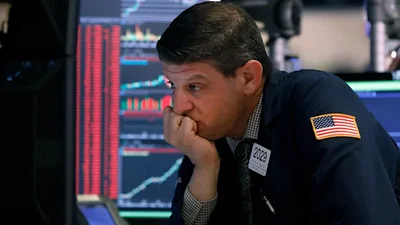
Private credit funds are facing a sharp exit rush as risks come to light, echoing Warren Buffett’s warning about hidden vulnerabilities. These non-bank lenders, often financing private companies at higher interest rates, are revealing troubling signs as the market tide recedes. With uncertainty mounting and major players like Goldman Sachs flagging increased credit losses and geopolitical risks, the sector’s stability is under scrutiny. Investors and regulators will be watching closely to see how these challenges unfold in the coming months.
-
Dollar Holds Firm Amid Iran Blockade Tensions
 research →
The US dollar remained steady as Washington initiated a naval blockade of Iranian ships in the Strait of Hormuz, heightening regional tensions. Investors balanced concerns over supply disruptions with hopes for ongoing US-Iran talks that might ease the crisis. The dollar index inched up slightly, reflecting cautious optimism despite the geopolitical risks. Market watchers now await developments in diplomatic efforts that could reshape the standoff.
-
Singapore GDP Growth Slows to 4.6% in Q1
 research →
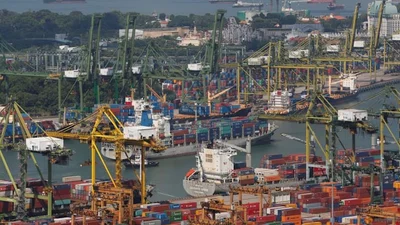
Singapore’s economy expanded by 4.6% year-on-year in the first quarter of 2026, down from 5.7% in the previous quarter, according to the Ministry of Trade and Industry. On a seasonally adjusted quarter-on-quarter basis, the economy contracted by 0.3%, reversing last quarter’s growth. While growth remains resilient, concerns rise over the impact of the Middle East conflict on future economic activity. Analysts and policymakers will be closely watching upcoming data for signs of further slowdown or recovery.
-
S&P 500 Futures Bounce Back After Iran War Dip
 research →
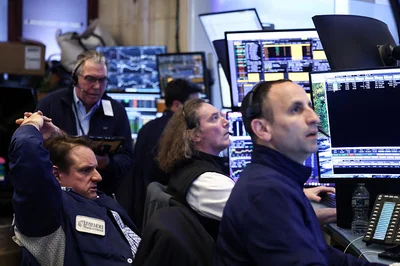
S&P 500 futures steadied Monday night after the index fully recovered losses triggered by the U.S.-Iran conflict. Despite the collapse of peace talks, traders remain cautiously optimistic about a potential deal, pushing futures slightly higher. This rebound signals Wall Street’s resilience amid geopolitical tensions, but uncertainty lingers as U.S. military actions escalate. Investors will closely watch upcoming developments for clues on market direction.
-
Nova Scotia Care Workers Strike Over Wages
 research →
More than 2,200 long-term care workers across 22 facilities in Nova Scotia walked off the job Monday, demanding a flat $5 per hour wage increase. Represented by CUPE, the strike includes nurses, care assistants, and support staff fighting for a living wage amid retention struggles. The province’s current offer falls short, prompting widespread public support as honking cars show solidarity. Negotiations remain stalled, with more workers expected to join the picket lines in the coming days.
-
S&P Flags Rising Corporate Credit Stress
 research →
S&P Global warns that Thai companies with high debt levels face growing credit stress over the next two years, driven by the ongoing Middle East conflict. This turmoil is expected to hit earnings through higher costs, weaker demand, and supply chain disruptions, putting 6 trillion baht of corporate debt at risk. The strain could ripple through Thailand’s banking system and bond markets, raising concerns about financial stability. Policymakers may intervene, but uneven credit access could deepen vulnerabilities.
-
Wage Protests Ignite Across Northern India
 research →
Workers in Rajasthan’s Bhiwadi and Noida have staged widespread protests demanding higher wages amid rising living costs. The unrest began in Gurugram’s industrial belt and quickly spread, with violent clashes and tear gas used by police in Noida. These protests highlight growing economic pressures on laborers and pose challenges for regional stability. Authorities are urging dialogue as the situation remains tense.
-
Türkiye’s Şimşek Engages Global Investors Amid Crisis
 research →
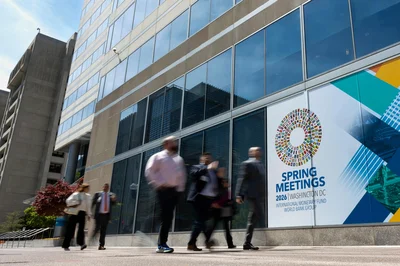
Türkiye’s Finance Minister Mehmet Şimşek is holding a series of high-stakes meetings in New York and Washington during the IMF-World Bank spring meetings. Against the backdrop of escalating Middle East tensions disrupting global energy supplies, Şimşek is engaging with top financial institutions like Citigroup and JPMorgan Chase, as well as international investors and credit rating agencies. His talks aim to reassure markets and attract investment despite regional instability. Next, Şimşek will continue discussions at the G20 summit, seeking to bolster Türkiye’s economic resilience.
-
Noida Worker Protests Turn Violent
 research →
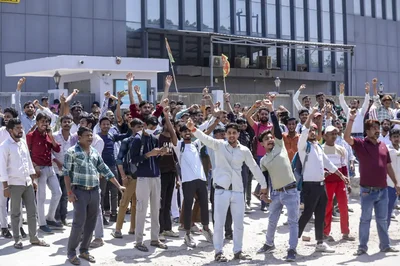
Violent clashes erupted in Noida on Monday as factory workers demanding wage hikes and better working conditions took to the streets. The protests, initially peaceful, escalated with arson and vandalism reported in multiple industrial sectors, severely disrupting traffic and daily commutes. This unrest highlights deep-rooted labor grievances amid regional wage disparities, with workers pushing for salaries above the current Rs 13,000 minimum in Uttar Pradesh. Authorities are now deploying security forces to restore order as negotiations continue.
-
BOJ Warns on Middle East Conflict Risks
 research →
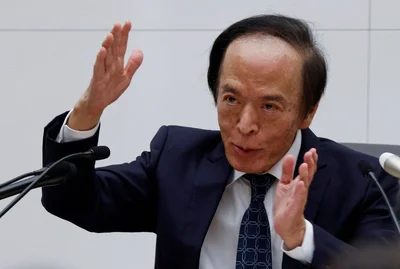
Bank of Japan Governor Kazuo Ueda urged caution amid rising crude oil prices and unstable global markets caused by escalating Middle East tensions. While economic indicators remain broadly on track with BOJ forecasts, Ueda emphasized the need for vigilance as the conflict could disrupt financial stability. Markets are closely watching the upcoming BOJ policy meeting on April 27-28 for potential interest rate moves amid ongoing uncertainty.