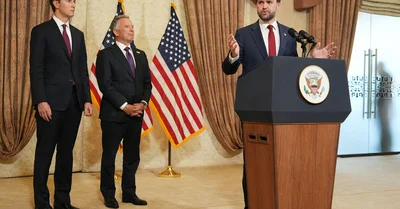
Mediators from Egypt, Pakistan, and Turkey are pushing for a new round of US-Iran negotiations before the ceasefire expires on April 21. Despite tough talks in Islamabad, officials say the door remains open and both sides continue bargaining. The outcome could determine whether the fragile peace holds or escalates, with President Trump reportedly considering renewed strikes if diplomacy fails.
War & Conflicts
US-Iran Talks Edge Toward Ceasefire Deal
Sources (3)
More from War & Conflicts
-
Ex-Ministers Demand Tougher Arms Export Rules
 research →
Former Liberal ministers Lloyd Axworthy and Allan Rock have voiced strong concerns over the federal government's refusal to enact legislation closing regulatory gaps in arms exports. They urge Foreign Affairs Minister Anita Anand to implement stricter safeguards to prevent misuse. This call highlights ongoing debates about Canada's role in global arms control and ethical export practices. The government’s next steps on this issue will be closely watched by both advocates and critics.
-
Ex-Nato Chief Slams Starmer’s Defence Complacency
 research →
George Robertson, former Nato secretary general and defence secretary, has sharply criticized UK Prime Minister Keir Starmer for a “corrosive complacency” on national defence, warning that Britain is “underprepared” and “in peril.” He blames Treasury’s budget priorities for undermining military readiness and calls the ongoing Iran conflict a “rude wake-up call.” This stark warning raises urgent questions about the UK’s strategic defence investments and what steps the government will take next to safeguard national security.
-
South Korea and Poland Forge Stronger Defense Alliance
 research →
South Korea and Poland have pledged to deepen their defense partnership, highlighted by a $44 billion arms deal signed in 2022. Polish Prime Minister Donald Tusk’s visit to Seoul—the first in 27 years—underscored the strategic importance of this alliance amid rising global tensions. The cooperation extends beyond arms sales to joint production, technology transfer, and training, signaling a robust and evolving military collaboration. This partnership positions both nations to better address emerging security challenges in a shifting geopolitical landscape.
-
Iran's Speedboat Threats Challenge US Blockade
 research →
The US Navy faces a new challenge as Iran’s Islamic Revolutionary Guard Corps deploys fast-attack speedboats to threaten shipping in the Strait of Hormuz. Despite heavy US strikes crippling Iran’s conventional navy, Tehran’s small, agile fleet equipped with missiles, mines, and drones remains operational. President Donald Trump has announced a blockade of Iranian ports, escalating tensions amid stalled ceasefire talks. The coming hours will test Washington’s ability to control this critical maritime chokepoint.
-
Israel’s Ambitions Clash with Regional Realities
 research →
Israel’s vision of a 'Greater Israel' reveals a growing gap between its military might and strategic success. Despite its ability to wage intense multi-front conflicts, it struggles to convert battles into lasting political victories. This mismatch exposes the limits of Israel’s current power model amid rising tensions involving Iran and Türkiye. Meanwhile, Turkey pushes for renewed US-Iran talks to ease Gulf tensions, signaling a complex regional chessboard ahead.
-
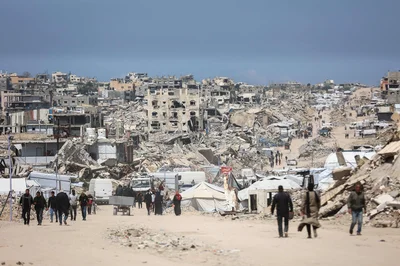
Gaza Aid Flows Resume Amid Bread Crisis
 research →
The Zikim crossing in northern Gaza reopened after 40 days, allowing direct humanitarian aid deliveries, the UN confirmed. This move eases some pressure on Gaza’s worsening food shortages, where residents face severe bread scarcity and soaring prices. Despite this, major hurdles remain, including Israeli customs delays and restrictions on aid agencies. With Gaza teetering on the brink of famine, urgent efforts to expand aid access are critical to prevent further humanitarian disaster.
-
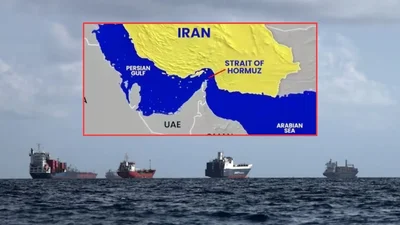
US Blocks Strait of Hormuz Amid Iran Standoff
 research →
The United States has imposed a full naval blockade on the Strait of Hormuz as of April 13, following failed peace talks with Iran. This strategic waterway, crucial for about 20% of the world's oil and gas exports, now faces severe disruption. The blockade targets Iranian ports and coastal areas, while transit for non-Iranian destinations remains open but monitored. With global energy markets on edge, the next moves by Washington and Tehran will be critical.
-
Indian Navy Tackles West Asia Crisis
 research →
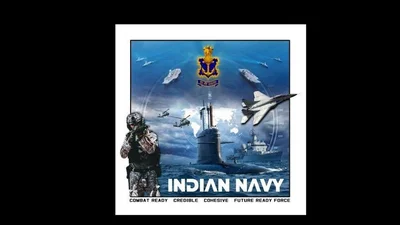
The Indian Navy is convening its biannual Commanders’ Conference from April 14-16 in New Delhi amid escalating tensions in West Asia. This meeting comes as at least 15 Indian vessels remain stranded near the Strait of Hormuz due to a US naval blockade on Iranian ports, disrupting vital energy shipping lanes. The conference will focus on securing India’s energy interests and managing multinational naval deployments in the Indian Ocean Region. The Navy’s strategic decisions here will be crucial for regional stability and India’s maritime security going forward.
-
UK Fast-Tracks Drone Interceptors
 research →
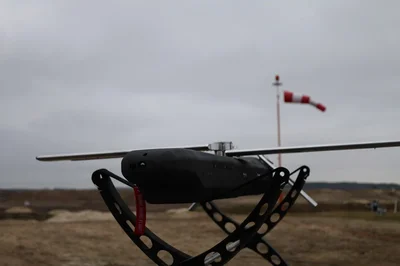
The UK Ministry of Defence is set to rapidly acquire Skyhammer drone interceptors from Cambridge Aerospace to counter Iranian Shahed-style attack drones. Deliveries could start as soon as May 2026, marking an unusually swift procurement process. This move aims to bolster both British forces and allies in the Persian Gulf amid rising drone threats. The initiative reflects a strategic pivot to protect key regional partners and enhance drone defense capabilities quickly.
-
Tech Titans Take Command in US Army
 research →
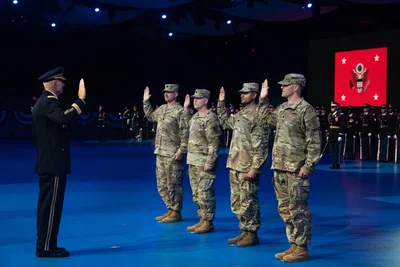
On June 13, 2025, Detachment 201, also known as the Executive Innovation Corps, was officially presented at Myer-Henderson Hall near the Pentagon. This unique US Army unit is led by top tech executives including Andrew Bosworth of Meta, Kevin Weil of OpenAI, Shyam Sankar of Palantir, and Bob McGrew. Their mission is to integrate cutting-edge technology expertise directly into military innovation, signaling a new era of Silicon Valley’s influence on defense. The initiative could reshape how the military approaches tech-driven warfare and innovation going forward.
-
Gulf Allies Scramble for Ammo Amid Shortages
 research →
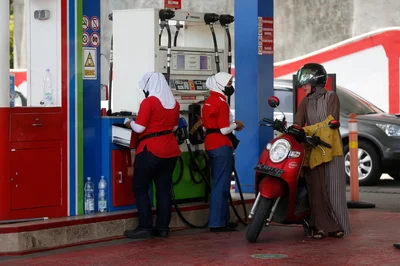
US allies in the Gulf, including Saudi Arabia, UAE, and Qatar, are running low on air defense ammunition after over six weeks of intense air strikes. Facing delays in US arms deliveries and ongoing Iranian attacks, these nations are turning to Asian suppliers like South Korea and Japan for missile defense systems and interceptor drones. This shift signals a strategic diversification in military procurement as regional tensions remain high. Observers will watch closely how these new arms deals affect the fragile ceasefire with Iran and regional stability.
-
Russia Unveils Hypersonic Anti-Drone Cartridge
 research →
Russia has successfully tested a new quasi-hypersonic cartridge with a muzzle velocity of 1,530 m/s, designed specifically for the AI-powered Dvoinik robotic sniper system. This anti-drone cartridge enhances the system’s capability to counter aerial threats with unprecedented speed and precision. The modular firing unit simplifies operation, allowing quick replacement with a single button press. Mass production of the Dvoinik system has also begun, signaling Russia’s push to modernize its robotic warfare arsenal. Observers will watch closely how this technology impacts drone warfare dynamics.