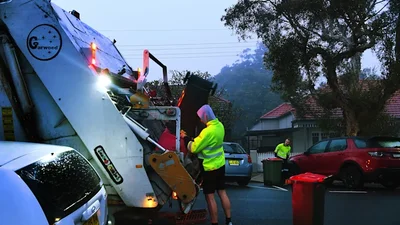
The U.S. Supreme Court is set to decide if states and cities can claim billions in damages from fossil fuel companies accused of misleading the public about climate risks. Local governments argue these firms should pay for the rising costs of wildfires, floods, and extreme weather. This case highlights the growing legal battles over who bears the financial burden of climate change. The court’s ruling could reshape accountability for environmental harm nationwide.
Energy & Climate
States Sue Fossil Giants Over Climate Costs

Sources (3)

More from Energy & Climate
-
Brazil Blocks Rural Credit Over Deforestation
 research →
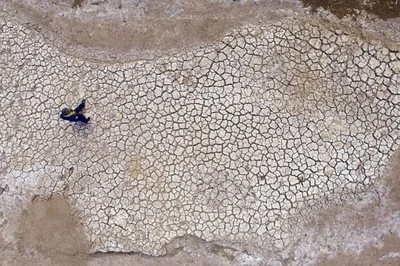
A new rule by Brazil's National Monetary Council, effective April 1, halts rural credit for producers using public funds to clear native vegetation, even if legally permitted under the Forest Code. This move has sparked tensions between the federal government and the agribusiness sector, highlighting the ongoing struggle to balance environmental protection with agricultural interests. The policy aims to curb deforestation by tightening financial controls, signaling a stricter stance ahead. Stakeholders await how this will impact Brazil's agricultural economy and environmental commitments.
-
Adani Green Tops Indian ESG Rankings
 research →
Adani Green Energy Limited (AGEL) has clinched the highest ESG score among Indian firms, according to the latest CareEdge-ESG assessment. This achievement underscores AGEL's leadership in sustainable and responsible business practices amid growing investor focus on environmental, social, and governance criteria. The top ESG ranking could boost investor confidence and attract more capital to the renewable energy sector. Market watchers will be keen to see if AGEL can maintain this momentum as ESG investing gains further traction in India.
-
Methane Removal: New Climate Hope
 research →
A new study by Katsumasa Tanaka and colleagues highlights atmospheric methane removal as a promising third approach to combat climate change. The research warns of potential risks if interventions are halted abruptly and notes impacts on air pollution. This work adds urgency to developing safe, effective methane reduction technologies. Next steps involve detailed risk assessments and pilot projects to test feasibility.
-
Korea's Bold Move to Slash Plastic Waste
 research →
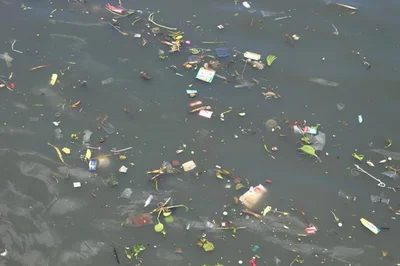
South Korea has launched a nationwide campaign urging citizens to cut down on single-use plastics, aiming to reduce household plastic waste by 10 percent. The Ministry of Climate, Energy and Environment highlights that if 50 million people each skip one disposable cup daily, the impact would be significant. The six-month initiative promotes nine practical guidelines, including using reusable tumblers and avoiding plastic straws. This effort comes amid growing concerns over global supply chain instability linked to the Middle East conflict. Officials encourage public participation through an online platform to track and verify eco-friendly actions.
-
War Weaponizes Environmental Destruction
 research →
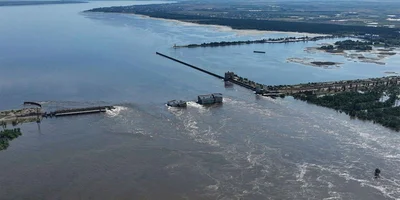
Environmental lawyer Llewellyn Botha warns that modern warfare increasingly targets ecosystems, weaponizing environmental destruction to devastate communities by cutting off water, food, and electricity. Such tactics, he argues, should be prosecuted as crimes against sustainability. This shift marks a dangerous new front in conflict, threatening both local livelihoods and global ecological health. The call for legal accountability is gaining momentum as the world grapples with these toxic battles.
-
AI Powers New Carbon Capture Hope
 research →
AI technology is being hailed as a game-changer in the fight against climate change, with experts highlighting its potential to optimize carbon capture methods. Despite setbacks in traditional approaches like BECCS, which have proven costly and ineffective, AI-driven solutions promise more efficient and scalable carbon reduction. This shift could redefine global climate strategies, as innovators focus on harnessing AI to meet urgent environmental goals. The next steps involve deploying these AI tools widely and proving their impact in real-world settings.
-
Hyderabad Calls for Urgent Water Conservation
 research →
Facing soaring summer heat and dropping groundwater levels, Hyderabad Metropolitan Water Supply & Sewerage Board Managing Director K. Ashok Reddy has urged residents to conserve drinking water immediately. The appeal follows a high-level review with Joint Managing Director Mayank Mittal, focusing on tanker management and supply operations to prevent shortages. With demand for water tankers rising, this call aims to curb crisis risks in the coming weeks. Authorities will continue monitoring and adjusting supply strategies as the summer progresses.
-
80+ Middle East Energy Sites Hit Hard
 research →
More than 80 energy facilities across the Middle East have been damaged since the Iran war began on February 28, with over one-third severely impacted, according to IEA chief Fatih Birol. The destruction spans oil fields, refineries, and terminals, making recovery a lengthy process that could take up to two years even if hostilities cease immediately. Birol called this crisis the "largest energy security threat in history," surpassing disruptions from the 1970s oil shocks and the Ukraine war. The region’s energy supply remains deeply compromised, with global implications for oil and gas markets.
-
Citicore Powers Up 125MW Solar Farm
 research →
Citicore Renewable Energy Corp. has launched a 125-megawatt solar farm in Pangasinan, significantly boosting the Philippines' renewable energy capacity. This new facility in Sta. Barbara and Calasiao feeds clean power into the national grid, supporting the country's shift toward sustainable energy. The project marks a major step in reducing carbon emissions and enhancing energy security. Next, Citicore plans to expand its green energy footprint across the region.
-
Africa’s Forests Now Emit More Carbon
 research →
New research reveals that Africa’s forests, once vital carbon sinks, have become net carbon sources since 2010. An international team led by the National Centre for Earth Observation used satellite data and machine learning to track this alarming shift. The change underscores urgent global action needed to halt deforestation and protect these crucial ecosystems. This finding comes amid heightened focus on forest conservation at the recent COP30 summit in Brazil.
-
Trump Family’s Crypto Deals Spark Ethics Debate
 research →
The Trump family’s real estate and crypto ventures are expanding rapidly overseas, raising fresh concerns about potential conflicts of interest. Led by Eric and Donald Jr., their deals have reportedly generated billions but also sparked questions about preferential treatment for major investors. Critics worry this could set a precedent allowing future presidents to profit from their office. The White House and Trump Organization deny any ethical issues, while blockchain co-founder Justin Sun calls for transparency over wallet controls linked to the Trump-backed crypto platform WLFI. The controversy is likely to intensify as scrutiny grows.
-
World’s Largest Iceberg Breaks Up After 40 Years
 research →
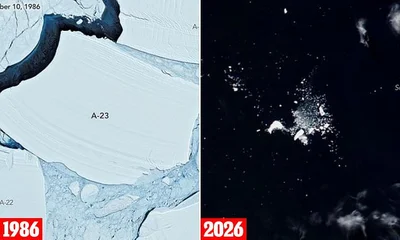
The colossal iceberg A–23A, once twice the size of Greater London and weighing nearly a trillion tonnes, has finally shattered into pieces just before its 40th anniversary. Originating from Antarctica’s Filchner Ice Shelf in 1986, it drifted over 2,000 miles north since breaking free in 2020, captivating scientists worldwide. Its dramatic breakup marks the end of an epic natural journey, highlighting ongoing climate impacts. Researchers will continue monitoring the remnants to understand future iceberg behaviors.
-
China International Battery Fair 2026 Ignites Innovation
 research →
The 18th China International Battery Fair (CIBF2026) opens May 13-15 in Shenzhen, showcasing over 3,100 exhibitors from around the globe. This event highlights breakthroughs in battery tech, from solid-state to sodium-ion and smart systems, reflecting the industry's rapid evolution. As the largest battery fair worldwide, it offers a vital platform for companies to connect and expand in the green energy sector. Industry watchers will be keen to see which innovations set the pace for the next decade.