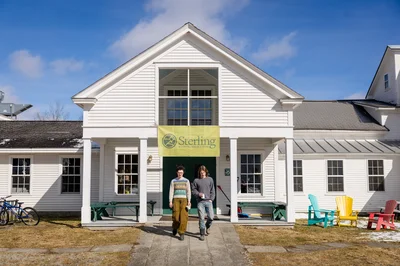
More than 25% of private colleges in the U.S. are at risk of shutting down, driven by a steep decline in high school graduates and falling enrollments. Institutions like Vermont’s Sterling College are already announcing closures, highlighting the crisis in rural and specialized education. With about 60 colleges closing annually, this trend threatens the diversity of higher education options nationwide. Experts warn the number of closures could double if enrollment continues to drop, putting pressure on policymakers and communities to find solutions.
Society & Migration
Quarter of Private Colleges Face Closure
Sources (3)

More from Society & Migration
-
Digital Hybridity Revamps Cultural Heritage
 research →
A new study explores how hybrid digital technologies like AI and VR are reshaping the way we engage with cultural relics. By analyzing historical and modern texts, researchers reveal shifting perceptions of relics—from sacred objects to heritage symbols. These innovations promise greater accessibility but raise ethical questions about authenticity and sensory experience. The findings highlight the need for careful, multidisciplinary approaches as digital tools transform cultural preservation.
-
Kannur Dental College Students Protest Death
 research →
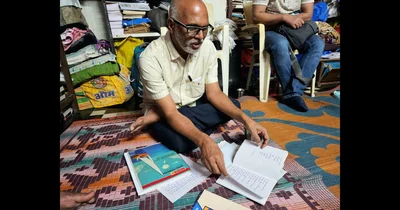
Students at Kannur Dental College in Anjarakandy staged a boycott of classes and outpatient services on April 13, 2026, protesting alleged faculty misconduct linked to the death of student R.L. Nithin Raj. The protest, marked by black badges and a halt in academic activities, highlights growing tensions over student safety and institutional accountability. The college union and student groups are demanding a thorough investigation and reforms. Authorities are expected to respond to these urgent calls in the coming days.
-
B.C. First Nation Pushes for Cultural Loss Compensation
 research →
The Heiltsuk Nation, led by Chief Marilyn Slett, is lobbying the International Maritime Organization in London to revise oil spill compensation formulas to include Indigenous cultural losses. This move aims to recognize the broader impact of environmental disasters beyond economic damage. The outcome could set a global precedent for Indigenous rights in maritime law. The delegation’s efforts highlight ongoing struggles to protect Indigenous heritage amid industrial risks.
-
Brazil Ousts Labour Chief After Slave Labour Blacklist
 research →
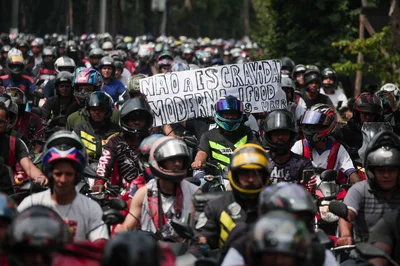
Brazil has fired Luiz Felipe Brandao de Mello, head of the National Secretariat of Labour Inspection, shortly after his office blacklisted Chinese EV giant BYD for slave-like labour conditions. This move raises concerns over government interference in labour enforcement, as critics warn it undermines decades of public policy protecting workers. The National Association of Labour Inspectors condemned the dismissal as retaliation. The fallout puts the future of Brazil’s labour oversight and workers’ rights enforcement in jeopardy.
-
Winnipeg Faces Rising Homelessness Crisis
 research →
Winnipeg is grappling with a surge in homelessness, with over 8,248 people currently without stable housing as of March 31. Advocacy group End Homelessness Winnipeg reports that 104 individuals became chronically homeless in the past year, highlighting a growing imbalance where more people enter homelessness than find housing. This trend signals increasing strain on local support systems and points to urgent needs for affordable, supportive housing solutions. The community and policymakers now face mounting pressure to address this escalating crisis.
-
Prague’s LGBTQ+ Legacy Celebrated Online
 research →
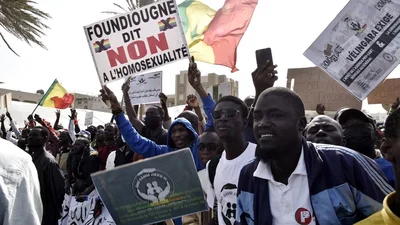
An interactive map launched by Teplá Praha highlights the historic presence of LGBTQ+ figures and sites throughout Prague, challenging ongoing political debates in the Czech Republic that often frame gender issues as foreign threats. This digital tribute underscores the community’s deep roots in Czech culture despite rising right-wing rhetoric. The map invites locals and visitors alike to explore and acknowledge this rich heritage. It signals a growing recognition and preservation of LGBTQ+ history in Central Europe.
-
UK Asylum Seekers Restrained During Deportation
 research →
A recent inspection report revealed that asylum seekers protesting their forced removal to France under the UK Home Office's 'one in, one out' policy were transported in waist and leg restraints. The report, led by chief inspector Charlie Taylor, confirmed no force was used on a January 20-21 flight but noted force was applied on January 16 following a sit-down protest. This scrutiny highlights ongoing tensions in the UK's immigration enforcement. Further reviews and policy debates are expected as the government faces criticism over its handling of asylum seekers.
-
Pride Flag Flies Again at Stonewall
 research →
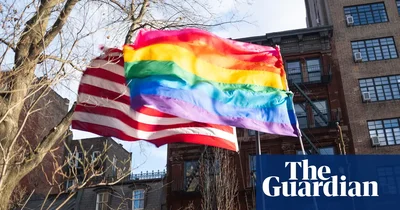
The Trump administration has reversed its February decision and agreed to keep the rainbow Pride flag flying at the Stonewall National Monument. This move ends a contentious legal battle initiated by LGBTQ+ and historic preservation groups, marking a significant victory for diversity and inclusion advocates. The flag will now fly permanently alongside the U.S. and Park Service flags, pending final court approval. This signals a renewed commitment to honoring LGBTQ+ history at this iconic site.
-
Daycare Closures Deepen Child Care Crisis
 research →
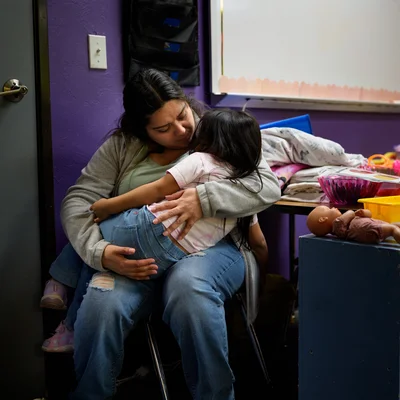
In a troubling trend, hundreds of daycare centers, including Kids of Faith, have shut down across one state, leaving parents scrambling to find alternatives. This wave of closures intensifies the ongoing child care crisis, forcing many to reconsider their work and family balance. Experts warn the shortage could have long-term impacts on workforce participation. Meanwhile, support programs for families facing unique challenges, like those raising children with disabilities, are gaining attention as vital resources.
-
School Boards Spark Fierce Political Battles
 research →
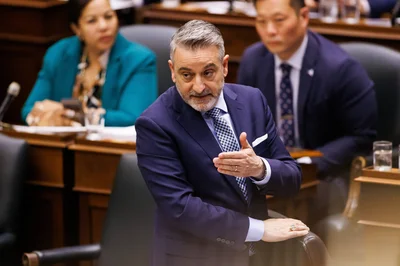
Local school board elections on April 7, 2026, turned into battlegrounds over hot-button issues like book bans, gender identity, and prayer at school events. Liberal candidates scored major wins in key states including Wisconsin, Missouri, Alaska, and Oklahoma, signaling a shift in control amid cultural clashes. These boards, often overlooked, now wield significant influence over education policies affecting students and families. Meanwhile, Ontario plans sweeping reforms to school board governance, aiming to curb trustee powers and introduce new executive roles. The next steps will reveal how these changes reshape education oversight across North America.
-
890 Maharashtra Schools Lack Girls’ Toilets
 research →
In Maharashtra, 890 schools still operate without separate toilets for girls, highlighting a glaring infrastructure gap amid the state’s push for AI-powered classrooms. This lack affects girls’ safety, dignity, and attendance, especially in districts like Beed with the highest shortfall. While digital upgrades race ahead, basic sanitation needs remain unmet, raising urgent questions about priorities. Authorities must address these gaps to ensure inclusive education as schools modernize.
-
Sudan Faces Worsening Hunger Crisis
 research →
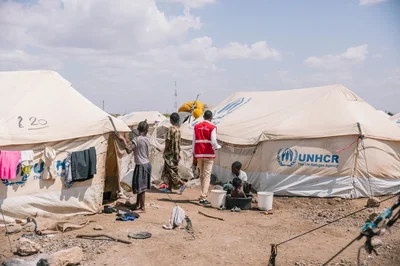
Millions in Sudan are now surviving on just one meal a day amid a deepening food crisis fueled by nearly three years of conflict between the Sudanese army and the Rapid Support Forces. NGOs including Action Against Hunger and CARE International warn that the war has devastated food systems across key regions like North Darfur and South Kordofan, forcing many to eat leaves and animal feed. Despite government denials of famine, the humanitarian situation continues to deteriorate, with displacement and hunger spreading. Urgent international aid and conflict resolution are critical to prevent further catastrophe.
-
OAU Students Launch 72-Hour Transport Boycott
 research →
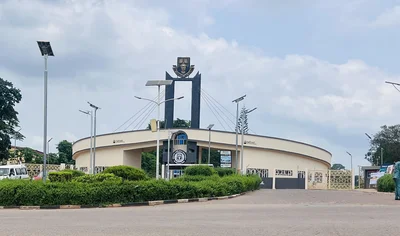
Students at Obafemi Awolowo University have declared a 72-hour lecture boycott starting April 14, protesting recent changes to the campus transport system. The Students’ Union Government, led by Adelani David and Habeeb Oke, cited unresolved issues following the introduction of new buses and tricycles supported by First Lady Oluremi Tinubu. The protest aims to pressure the university to reconsider its transport restructuring policy. Academic activities will be halted until April 16, with students demanding better mobility solutions. The situation remains tense as negotiations continue.
-
2025 Sees Turbulent U.S. Naturalization Spike
 research →
The year 2025 marked one of the most volatile periods ever for U.S. naturalizations, with significant fluctuations in citizenship applications and approvals. Immigrants like Johanan Rivera, who waited 15 years before applying, highlight the complex personal and political factors influencing naturalization decisions. This volatility reflects broader immigration policy shifts under recent administrations. Experts anticipate continued unpredictability in naturalization trends as policy debates evolve.
-
JBS Workers Secure Two-Year Deal
 research →
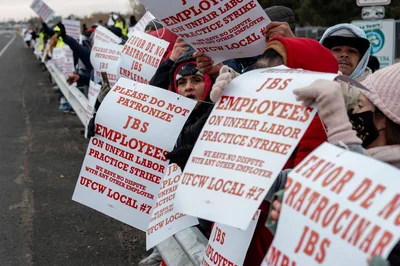
About 3,800 workers at JBS’s Colorado beef processing plant have ratified a two-year provisional contract after a month-long strike. The agreement, reached between JBS and the United Food and Commercial Workers Local 7 union, addresses wage adjustments tied to inflation and halts charges related to protective equipment replacement. This deal ends a tense standoff and sets the stage for more stable labor relations at the world’s largest meatpacker. Both sides will return to negotiations as the contract period progresses to ensure terms remain fair.