The government on Friday rejected claims by U.S. lawmakers that a revised network act contains discriminatory provisions against foreign companies and could be used for political censorship.
The revised Information and Communications Network Act is "aimed at responding to social ills arising from the digital environment and strengthening the protection of users," a senior foreign ministry official said.
"It does not include discriminatory elements against any American company," the official said, adding the government will work with relevant agencies to explain the intent and impact of the revision to the U.S. House Judiciary Committee.
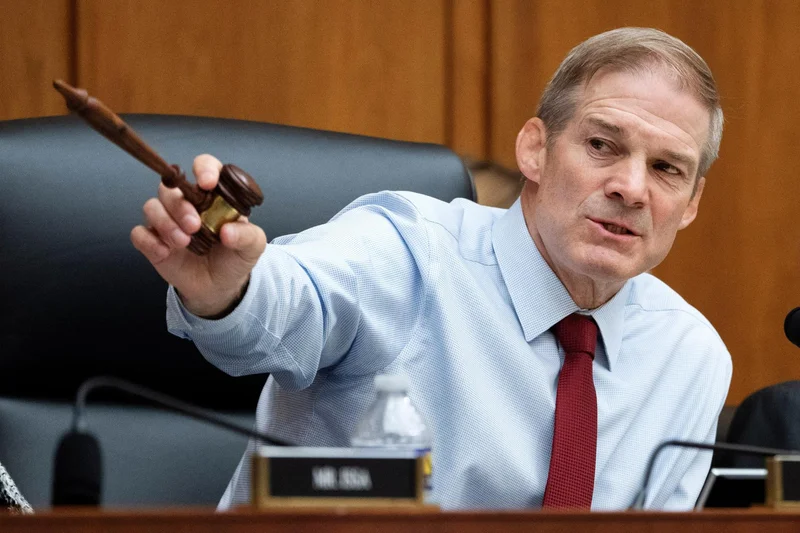
The response came after the committee, led by Chairman Jim Jordan, sent a letter to the Korea Media and Communications Commission (KMCC) on Thursday (U.S. time), expressing concerns over the recently amended law.
"This amendment serves as a major threat to online speech and expression and would allow the KMCC to punish American companies and their users for exercising their constitutionally protected rights," the letter said.
The committee also warned that the law's vague scope "raises serious concerns about how it could be used to censor politically disfavored opinions and about its chilling effect on free speech and online expression more generally."
The panel argued the amendment appeared aimed specifically at American companies, saying it was reportedly designed to curb the spread of "false and manipulated information" on U.S.-owned platforms, such as YouTube.
The revised law, which took effect Tuesday, is intended to curb the spread of false information online. The government has said the update reflects growing concern over disinformation amid the rise of social media and generative artificial intelligence.
The committee's letter follows a report it released early last month accusing Korea of "discriminatory attacks" on e-commerce giant Coupang and other American companies, claiming the Asian country's treatment of them violates last year's bilateral trade deal.