New Mexico attorney general hopes Meta ruling leads to Big Tech review. Here’s what to know
New Mexico attorney general hopes Meta ruling leads to Big Tech review. Here’s what to know
New Mexico’s attorney general hopes a state court ruling ordering Facebook parent company Meta to pay $567 million and take steps to protect people under 18 is the impetus for addressing how Big Tech can harm children.
Thursday’s decision ended the second phase of a landmark trial. Jurors earlier this year determined Meta knowingly harmed children’s mental health and concealed what it knew about child sexual exploitation on its platforms.
The first phase of the case saw a $375 million judgment against Meta, meaning the social media giant is responsible for $942 million.
Along with the additional penalties, Judge Bryan Biedscheid also ordered Meta on Thursday to make fundamental changes to its platforms to reduce addictive features, improve age verification and prevent child sexual exploitation.
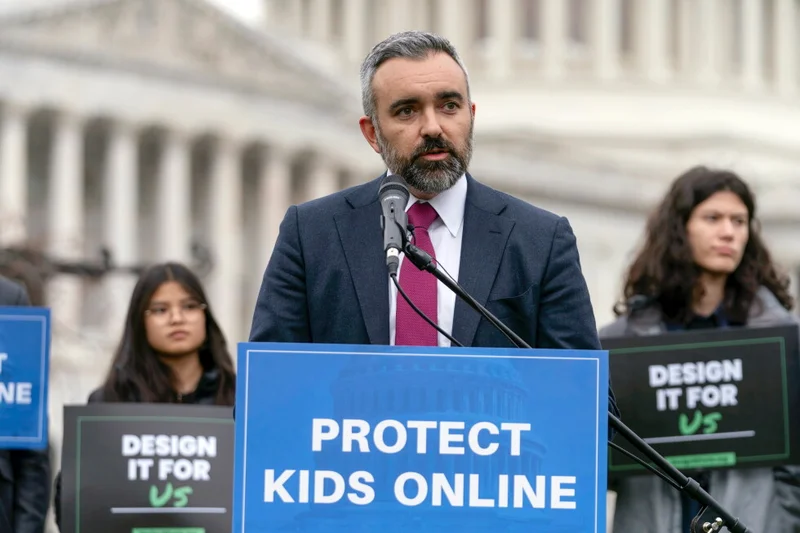
“They have not shown any willingness to either accept responsibility for their conduct or concede they have a role to play in fixing and addressing the harms that they created,” New Mexico Attorney General Raúl Torrez said.
Here’s what the ruling means for New Mexico, Meta and the future of social media.
Judge orders Meta to make key changes to its platforms
For Torrez, the most important aspects of the ruling were requiring Meta to improve how it reviews and responds to reports of child sexual abuse, limiting how chatbots can interact with children and capping the number of hours people under 17 can spend on Meta’s platforms.
The judge ordered Facebook and Instagram to build banner and informational screens to clearly explain protection features, best practices and tools to address inappropriate comments and display them regularly. Those changes and an educational campaign in New Mexico would be subject to review by the state.
Meta must also work to improve its age verification tools in New Mexico, which include using artificial intelligence to determine people’s age based on signals such as who their friends are and what types of content they post and consume.
“It’s only the beginning of a conversation nationally that we need to have around all of these issues to make this a safer space for all our kids and families,” Torrez said.
Where will the $942 million go?
The judge required $420 million to be used for treatment services for young people. The rest will go toward awareness and prevention, screening services and other costs over the next five years.
How that money is doled out will be up to lawmakers in New Mexico.
When the state gets the money is also up in the air. Meta can appeal the ruling and request it not have to pay until its appeal is heard. If the company loses, it would have to pay interest.
What Meta will do next
The company said it will appeal and issued a statement after Thursday’s ruling.
“We work hard to keep people safe on our platforms and have been transparent about the challenges of identifying and removing bad actors and harmful content,” Meta said. “We remain confident in our record of protecting teens online and will continue to defend ourselves against claims that misrepresent the facts.”
Meta posted a profit in 2025 of about $60 billion and investors seemed to shrug off the $942 million judgments. The stock was down about a half-percent to $586.78 a share when markets opened Friday but regained most of its value as the day wore on.
Torrez expects Meta to keep fighting both in court and for new laws and protections in legislatures in New Mexico and other states and the U.S. Congress.
“I have no doubt that Meta’s army of lawyers and lobbyists will be out in force in Santa Fe and Washington,” Torrez said at a news conference on Friday.
Meta faces more courtroom fights
Later this month in federal court in California, Meta faces the first four of 29 states that sued it in a federal lawsuit filed in 2023 for contributing to the youth mental health crisis by knowingly designing features on Instagram and Facebook that get children addicted to its platforms.
Eight states, including Tennessee, where a trial is currently ongoing, filed lawsuits in their own state courts.
And late last month, Meta, along with TikTok, Snap and Google’s YouTube, were sued by the families of four teenagers who died by suicide over what they describe as “years of escalating harms” from using their platforms.
New Mexico hopes ruling will lead to changed laws
New Mexico used a 1970 consumer protection law to sue Meta. One penalty calculated under the parameters of that old law was $375 million — considered astronomical five decades ago but far less than what it would be if adjusted for today’s dollars: $3 billion.
The law “was built for a totally different economy and it didn’t conceive of or understand or anticipate companies of this size and scale or the business practices that they engage in,” Torrez said.
This is a good time to have broad discussions on changing older federal laws like the one from 30 years ago that protects social media from liability on what is posted on their sites, Torrez said.