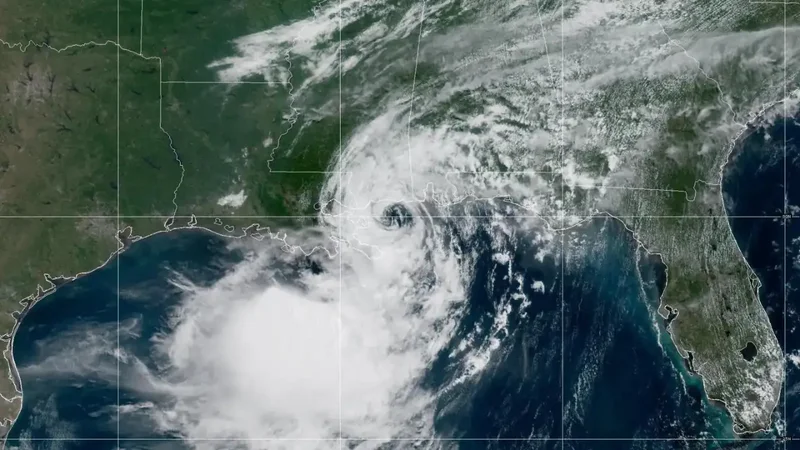
Tropical Storm Bertha made landfall in southern Louisiana on Wednesday, bringing strong winds, storm surge and heavy rain to parts of the US Gulf Coast, while authorities warned residents to remain alert despite expectations that the system will steadily weaken.
According to the
, Bertha came ashore in St Bernard Parish, around 40 miles east of New Orleans, with maximum sustained winds of 45 mph (72 kmph). Tropical storm-force winds extended nearly 100 miles (160 km) from the storm's centre.
The system prompted tropical storm warnings across parts of Louisiana, Mississippi and Alabama, including New Orleans and Lake Pontchartrain. Beaches, parks, piers and some low-lying roads were closed as officials prepared for storm surge and flooding.
Forecasters said coastal areas of Louisiana and Alabama could experience storm surges of up to 3 feet (1 metre), while rainfall of 1-4 inches (3-10 cm) is expected, with isolated locations likely to receive higher amounts.
Louisiana state climatologist Jay Grymes said Bertha is likely to weaken quickly after moving inland and is not expected to cause widespread destruction. The impact on coastal communities should remain manageable, he said.
Governor Jeff Landry described the outlook as "encouraging" but urged residents to stay prepared for possible flooding.
The National Weather Service also noted an unusual overlap of tropical storm and extreme heat warnings across southern Louisiana, calling it a rare weather combination. It said this is the first such occurrence in the region in at least two decades, based on records dating back to 2005.
Bertha is the second named tropical storm of the 2026 Atlantic hurricane season, following Tropical Storm Arthur, which brought heavy rainfall to the southeastern US in June. Forecasters warned Bertha could deliver more rain to parts of Mississippi that are still recovering from Arthur-related flooding.
Elsewhere in the US, severe storms triggered tornado reports from Cincinnati to New Jersey, while flash floods in West Virginia inundated homes, damaged bridges and prompted multiple water rescues.
In the eastern Pacific, Hurricane Fausto remained well offshore, hundreds of miles west-southwest of Baja California. The storm was packing maximum sustained winds of 80 mph (130 kmph) and is forecast to strengthen gradually. The National Hurricane Center warned that swells generated by Fausto could create dangerous surf and rip current conditions along the Baja California coast.