Spanish authorities have announced the dismantling of a major people-smuggling operation, believed to have trafficked more than 2,000 migrants into the country and generated profits of €24 million (£20.5 million).
The network, described by Spain's Civil Guard as "one of the most complex, active and dangerous transnational criminal networks detected to date in the Mediterranean", used speedboats to transport synthetic drugs from Spain to Algeria.
On their return journeys, the boats then smuggled migrants to Spain's southeastern coast and the island of Ibiza.
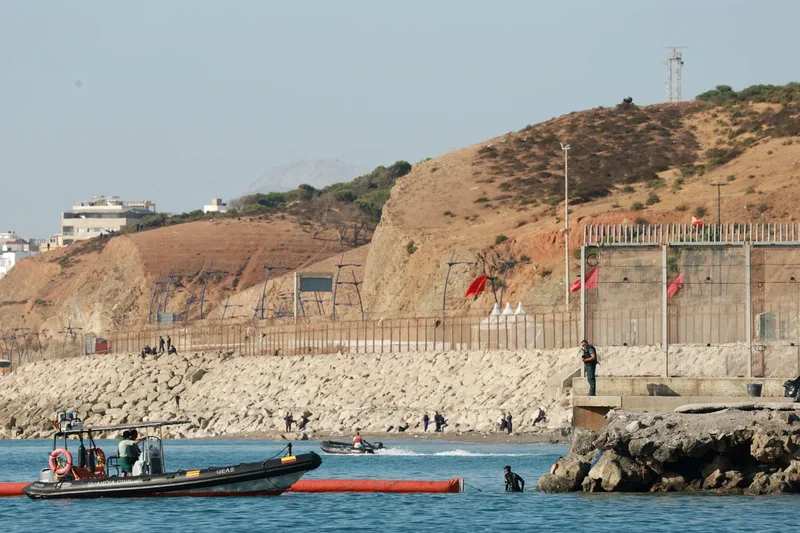
The announcement comes as migration and human trafficking remain pressing concerns across Spain and Europe, following a mass border crossing into the Spanish enclave of Ceuta in late July, which saw 72,000 people enter the city.
Tens of thousands have since returned to Morocco, with many of those left behind setting up camp on the beach, while authorities have reported that the migrant reception centres in the city are overwhelmed.
Police believe the group, known for employing "extreme violence to protect its vessels", carried out at least 64 smuggling operations.
Although the number of irregular migrants reaching Spain by sea fell 31 per cent in January-July, this was largely due to a 60 per cent drop in arrivals to the Canary Islands, Interior Ministry data showed.
By contrast, irregular migration to mainland Spain and the Balearic Islands rose 22 per cent and 10 per cent, respectively, over the same period as smugglers shifted routes via Algeria.
During the investigation, conducted with Europol and police in France, Portugal and Poland, authorities seized 18 speedboats and arrested 77 people in Spain and one in Algeria.
The network charged up to €12,000 (£10,000) per migrant and transported as many as 50 people on a single crossing, according to the statement.
The sea crossings were extremely dangerous, the Civil Guard said, with migrants travelling in overcrowded boats at high speed and often in rough seas, without lights, and, in most cases, life jackets.
"Sometimes the occupants were even tied down to prevent them from falling overboard during the crossing," the police said, adding that the organisation perpetrated extraordinary levels of violence against its own members and the migrants, as well as against police forces.