How China’s ‘magic’ rice seeds are transforming the fortunes of Nigerian farmers
Beijing’s hands-off approach challenges traditional Western aid models, prompting Washington to counter with agribusiness interventions
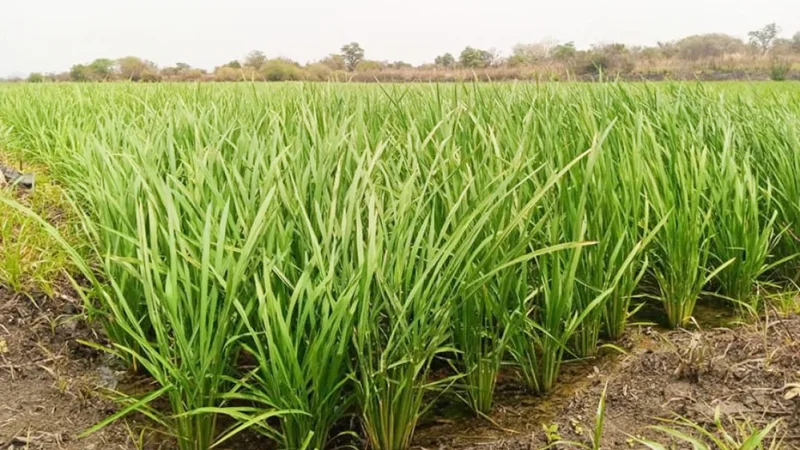
Just outside the Nigerian capital Abuja, where Green Agriculture West Africa Limited (Gawal) is based, locals do not refer to the company by name, instead as the place where the Chinese supply “magic” rice seeds.
Ahmed Yusuf, 42, credits the seeds with turning around his rice business for good. Before Gawal, Yusuf’s yields averaged just 2 tonnes per hectare, putting him on the verge of forsaking farming after more than a decade of toiling.
“Each year I was making losses, and I couldn’t meet the needs of my family, so I thought, ‘what was the point?’” he recalled.
Yusuf’s fortunes changed after he was introduced to Gawal’s R1 rice strain.
“With this new variety I have been able to stay in business by increasing my yield more than threefold on basically the same effort,” he said.
Yusuf’s success is part of a broader China-backed push to transform African subsistence farming into a highly productive mechanised powerhouse. But this agricultural diplomacy is about more than food security.