On some level you already know your Apple gadgets are linked nodes on a network with your most sensitive data coursing through it. If you’re like many users, your app states, documents, health information, photosâpossibly including nudesâand maybe your payment and banking codes, along with the passwords that unlock them, all exist nowhere and everywhere, because their real home is an Apple server. Incorporate a new device into the network, and with a few button presses all that data will be accessible on the replacement, and you’ll try not to think about how you didn’t exactly open up a safe and retrieve it manually.
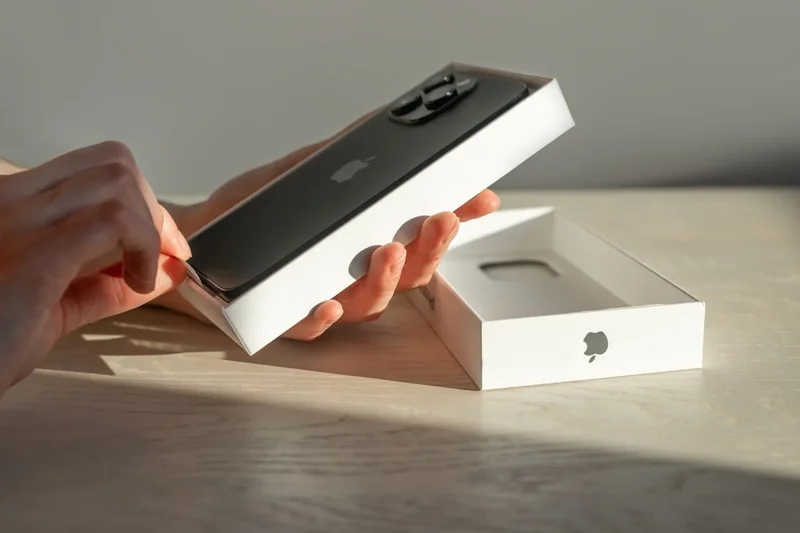
But Apple reportedly considered a feature that would have skipped even those meager button pressesâdelivering a device with your life already accessible on it as soon as you unboxed it.
According to Bloomberg’s Mark Gurman, a forthcoming gadget-leasing plan (because remember: the future of tech is owning nothing) may allow users to pay monthly fees for all eternity and receive perpetually new gadgets in cycles from 12-36 months long. An option to pre-load new devices with the users data won’t be available, but Gurman says it was in the works for a while.
He says it would have been called a “white-glove component,” and if the user opted into it, it would have arrived “preloaded with all of your data via your iCloud backup.”
Gurman says this would take away the burden of setting up new devices, which he calls a “pain in the neck.” Do people really feel this way? I find setting up new devices to be therapeutic, but I don’t get new devices very often like I assume Gurman does.
However, Gurman adds, the white-glove component surfaced uncomfortable “privacy questions,” and Gurman says the “optics” of an electronics company in possession of all your data shipping a brand new device to you with all that data already on it as it’s being shipped “might have been disturbing.”
I can see why Apple was (reportedly) considering thisâsince it’s seems like all the technology is right thereâbut I can also see why Apple might have shied away from rolling it out. It would have been welcome in the time of “privacy nihilism” which seemed to describe public attitudes at the end of the 20-teens, but as a society, we seem to have exited our privacy nihilism era, and entered more of a tech privacy backlash phase. While we’re not exactly locking down our devices and it doesn’t look like there’s a fad for things like air-gapping and NAS home data storage, trends like the smashing of Flock cameras and consumer outrage over surveillance pricing suggest that we are at least starting to care about privacy.
Another rumor from Gurman, reported two weeks ago, says Apple is taking steps to tailor its privacy message very carefully as the possible release of the company’s smart glasses product approaches. It looks like it has not escaped Apple’s notice, in other words, that the public is creeped out by tech lately, and it’s responding accordingly.