Cities change with time, and in the race in making them ‘smart’, we often forget the rich heritage that they carry. One such heritage property is Ghosh Villa, nestled in the neighbourhood of George Town in Allahabad (now Prayagraj). While many might have admired it from the outside, few may be aware of its rich history and the role it has played in making the city culturally wealthy. Anjana Basu, a member of the Ghosh family, has chronicled both documented and oral histories of her family and the house in her latest book, The House The Press Built.
Brick by brick
Growing up in Allahabad, I had heard of the Ghosh family and The Indian Press, but I did not know the whole story about them. When this book was published, I got the opportunity to lead a heritage walk through the Ghosh Bari, the residence that Chintamoni Ghosh had built in 1914, organised by Azad Reads, a reading group based in the city. We walked through the majestic property with its 116 rooms.
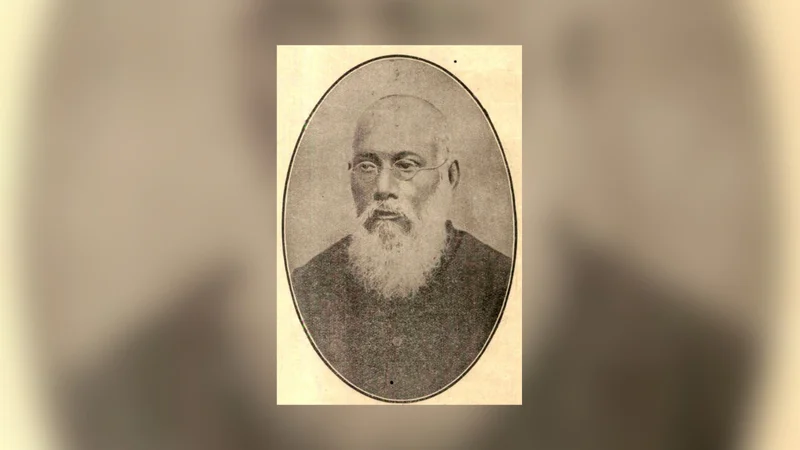
After losing his father at the age of 12, Ghosh, Basu’s great-grandfather, began working as a dispatch clerk at The Pioneer newspaper office in Allahabad. On completing work, he would often wander into the printing area, where he developed an interest in the workings of the machinery. Soon, he was given the responsibility of being a compositor. Several years later, in 1884, he went on to establish The Indian Press, with the help of a friend. The name was carefully chosen as most of the printing presses of those times in the city were British.
Fighting against all odds, Ghosh was able to build a successful business and was also the first one to print Rabindranath Tagore’s Gitanjali. The family, too, grew. Soon, he began new ventures: a sweet factory, carpet factory, a sugar mill in Sitalpur, Bihar, and even a perfumery, which produced a hair oil called Phool Taaza which soon became the talk of the town.
Magazines such as Probasi and Saraswati, edited by Mahavir Prasad Dwivedi, were published at The Indian Press. The latter became an important milestone in modern Hindi literature. Basu writes, “Even Netaji Subhash Chandra Bose referred to it in a speech commenting that a Bengali publisher had done what no Hindi publisher had even tried to do.”
It is also suspected that The Indian Press secretly printed revolutionary pamphlets during the Quit India Movement. Basu writes, “While no concrete evidence exists to substantiate this claim, the whispers of rebellion seemed credible.” Moreover, magazines such as Probasi featured pieces which were critical of the British Raj and talked about progressive Indian nationalism. Ghosh also maintained close associations with prominent political figures and activists such as Madan Mohan Malviya and Motilal Nehru, who were frequent visitors to Ghosh Villa. Conversations around politics and local affairs remained at the heart of these lively gatherings.
Social infrastructure
The Ghosh family can easily be credited for not just building a press but also encouraging the education of girls and giving the city much-needed social infrastructure. Back then, education for girls was limited to a certain class of people. Recognising this, the philanthropist and scholar Major Baman Das Basu reached out to Ghosh for help, and Ghosh readily donated a piece of land where the Jagat Taran Girls’ Inter College stands even today.
Following in his father’s footsteps, Hari Keshav Ghosh later built an entire hall for Tagore’s final theatrical performance of his play Chandalika in the city. The performance was part of Tagore’s efforts to raise funds for Visva Bharati University. After undergoing several name changes over the years, the same hall stands today as Raj Karan Palace.
The story of Ghosh and The Indian Press is, in many ways, also a story of India’s own transformation — of an underdog that persevered despite the many challenges it faced. As Ghosh’s great-granddaughter, Basu brings together her family’s legacy with historical research, creating a book that is deeply engaging rather than a conventional history textbook. She also goes beyond publishing history to capture the memories and way of life of a bygone Allahabad.
THE HOUSE THE PRESS BUILT: Allahabad Anecdotes from the Indian Press Family
Anjana Basu
Rupa Publications
₹395
The reviewer is a Prayagraj-based independent journalist and translator.
Published - July 18, 2026 08:41 am IST