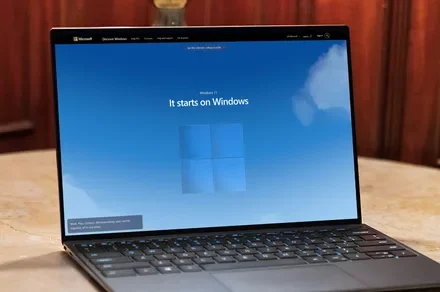
PC buyers are getting squeezed from every side this year, and it is not just memory and chips driving up the cost of your next computer. According to a Taiwanese publication, United Daily News, Microsoft has quietly raised its Windows OEM licensing fees, and the hike is steeper than usual.
This could make PC prices climb another 5% this quarter. As if the AI-fueled RAM and chipset crisis was not enough, PC buyers are getting another price hike, and the sad part is that they won’t even get anything extra for it.
How much more is Microsoft charging PC brands?
According to a PC brand executive, Microsoft bumps up its Windows OEM licensing fees every year, but the increases have usually stayed in the low single digits. That changed in July. This year’s hikes are landing between 7% and 10%, a noticeably bigger jump than brands are used to.
The pricing is also not flat across the board. Microsoft charges OEMs based on the CPU tier inside the machine, so a laptop with an i7 chip pays more in licensing fees than one with an i3 or i5.
Here is the interesting part. Brands say most people have not noticed this specific cost jump, and it is easy to see why. Component prices, especially memory, have already climbed so fast this year that one more increase just blends into the noise.
How much more expensive have PCs already gotten?
Since last year, demand for memory, SSDs, and CPUs has been surging, and prices have shot up along with it. Memory alone makes a big chunk of what a new PC costs today, and it is the main reason prices keep climbing.
In Taiwan, ASUS and Acer have both confirmed another round of price hikes this quarter, roughly 5%. ASUS shared an especially eye-opening number too. Compared to the fourth quarter of last year, some of its products are now selling for almost 30% more.
None of this is helping PC sales either. Counterpoint Research expects global shipments to land around 65 million units in the second quarter of 2026, down 4% year over year, and the first decline since early 2025. AI PCs and the Windows migration cycle are still pushing some upgrades, but rising costs are working against that demand.