- READ MORE: Revealed: The most popular dog breeds in the UK this year – with whippets rising up the ranks
- See more Daily Mail on Google - save us as a Preferred Source
Once considered the ultimate status symbol, some of the UK's most distinctive breeds are quietly falling out of fashion in favour of designer dogs that are 'easier to take care of'.
Poodles, Dalmatians and greyhounds, among others, were once hard to miss on the daily commute or a walk to the local shops, with their striking looks and unique traits making them firm favourites among the wealthy, sporty and style-conscious.
But fast-forward a decade or two, and some of these once-popular breeds are rarely spotted. So, what's happened?
Experts have revealed that the decline comes down to a combination of factors, from overwhelming physical and mental needs to health concerns, fewer breeders and, rather simply, changing tastes among dog owners.
Cross-breeds such as cockapoos, labradoodles, and the more recent pugapoo – a pug and poodle mix – have seen their popularity soar, with Pets4Homes highlighting the hybrids now make up roughly 35 per cent of all puppies sold in the UK.
In many cases, the choice is purely by design, with Iryna Smyrnova, veterinarian at MeoWoff, telling the Daily Mail that many owners are now looking for dogs that are easier to care for and better suited to smaller homes or busy lifestyles.
Dr Linda Simon, resident vet at Pooch & Mutt, added: 'These dogs tick a lot of the boxes that the traditional British dogs won't – low shedding, low exercise needs, and they won't always need a garden or lots of outdoor time.'
For classic canines like poodles, Dalmatians, Border Collies and greyhounds, this could spell bad news.
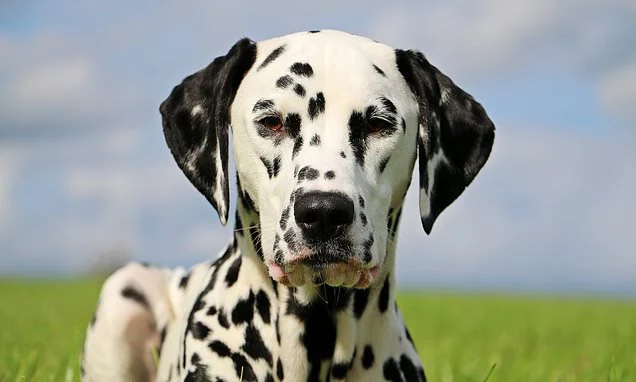
Poodles, Dalmatians (pictured) and greyhounds, among others, were once hard to miss on the daily commute or a walk to the local shops, but fast-forward a decade or two, and some of these once-popular breeds are rarely spotted
It comes as new data from The Kennel Club reveals that Britons are falling out of love with purebred dogs in favour of trendy crossbreeds.
The organisation, which recently analysed more than 11 million dog registrations, found that the number of pedigree dogs in Britain has fallen by around 0.9 per cent every year since 1990.
The research found that registrations for dozens of pedigree breeds have dropped sharply since 2010, led by the long-haired Pyrenean sheepdog, down 16.89 per cent, and the Yorkshire terrier, down 16.34 per cent.
Several other breeds that were once a familiar sight on British streets have also seen their numbers slide.
The proportional population of greyhounds fell by 16.35 per cent between 2010 and 2021, while Dalmatians dropped by 1.42 per cent.
Border Collies, traditionally used by farmers for their sharp intelligence and herding skills, fell by 2.78 per cent, while bloodhound numbers declined by 5.82 per cent.
And then there are poodles.
The elegant, curly-coated breed experienced peak popularity in the 1990s, but according to Pets4Homes, standard poodle registrations have gradually declined since their peak, while miniature and toy poodles have fared somewhat better.
Poodles, an elegant, curly-coated breed, experienced peak popularity in the 1990s, but according to Pets4Homes, standard poodle registrations have gradually declined since their peak, while miniature and toy poodles have fared somewhat better
As for Dalmatians, their decline is particularly disheartening given the breed's extraordinary popularity in the 1990s.
Following the release of Disney's live-action 101 Dalmatians in 1996, the breed reached an all-time high in ownership and even ranked among Britain's 15 most popular dogs that year.
Greyhounds also went from being a typical sight at Britain's racetracks to becoming popular sofa pets.
With greyhound racing still a major British pastime just a few decades ago, thousands of retired racing dogs found their way into homes each year, with up to 10,000 dogs retiring from the tracks annually, as reported by D for Dog.
Poodles had also enjoyed a major popularity boost, having previously reigned as America's top dog from 1960 to 1982, according to the Taipei Times.
But today's owners have different priorities – and that could spell trouble for iconic breeds that once dominated Britain's streets.
Veterinarian Iryna Smyrnova said: 'Many current owners are now seeking dogs they see as more easy to take care of in either small living spaces or busy lifestyles.
'Since Border Collies have many physical and mental needs to be met, poodles will need to be groomed regularly, and Dalmatians have inherited some health concerns associated with them; this makes sense that potential buyers may be being more selective when choosing what breed would work best for their lifestyle.'
Iryna Smyrnova, veterinarian at MeoWoff, said there has been a decline in Border Collies because they have many physical and mental needs to be met
Dr Linda added: 'There has also been a huge trend towards "hypoallergenic" poodle crosses. It seems like every second dog in my clinic is a small Doodle.'
But does falling out of fashion mean these breeds are at risk of disappearing altogether? Not necessarily, according to Iryna.
She said: 'While extreme fad appeal may ultimately result in poor quality breeding practices and more adverse effects on the welfare of both the owner and pet, I believe that finding a balance in the number of interested buyers can help improve the overall reputation of that specific breed.
'Ultimately, my recommendation has been to select a dog for your home based on that dog's personality, care requirements, and ability to thrive in your environment/lifestyle, as opposed to selecting one simply because of how popular it is.'
As for buyers and current owners interested in designer cross-breeds and 'trendy' flat-faced breeds, Dr Linda warned: 'The biggest welfare concern, in my opinion, is that these dogs aren't always bred with health in mind.
'Cross-breeds aren't registered with clubs like The Kennel Club and parents often aren't tested for inherited diseases like hip dysplasia, elbow dysplasia or heart disease.
'Also, unlike the traditional British breeds, many of today's "top dogs" are snub-nosed (or brachycephalic) and/or dwarf breeds. These dogs can struggle with their breathing and many have skin folds, malformed spines/tails and joint disorders.'