Colombia Courts Bukele’s El Salvador on Trade and Security
El Salvador · Trade
Key Facts
- Trade reviewOn July 29, 2026, Colombia’s incoming government and El Salvador agreed to review their 2010 free trade agreement to study an expansion.
- Existing pactThe agreement, in force since 2010, is part of Colombia’s wider deal with Central America’s Northern Triangle.
- Cooperation agendaOn August 6 in Cali, the two agreed to cooperate on security, AI, digital transformation, trade and investment.
- Binational bodiesThey agreed to create a binational cabinet and a binational business council.
- The playersColombia’s VP José Manuel Restrepo, Commerce Minister Mauricio Gómez Amín, and El Salvador’s Economy Minister María Luisa Hayem.
- Bukele factorColombia’s new team openly admires President Nayib Bukele’s hardline security model.
This is a review of an existing free trade agreement, not a new one — but paired with a security push, it signals a Colombia–El Salvador realignment.
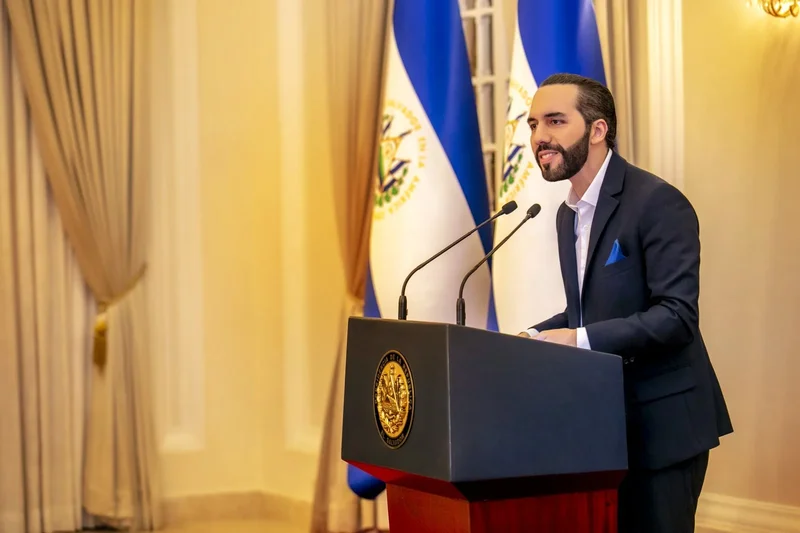
If you track Latin American politics, watch El Salvador and Colombia. The two have been quiet trade partners since 2010, but Colombia’s new government wants more. Days before taking office, President Abelardo de la Espriella’s team announced a review of the existing free trade agreement with El Salvador, aiming to expand it — one piece of a broader turn toward President Nayib Bukele’s government.
What El Salvador and Colombia agreed
On July 29, 2026, before de la Espriella was even sworn in, his incoming team said the two countries would have technical teams review the free trade agreement that has governed their commerce since 2010 — part of an earlier Colombia–Northern Triangle deal. The aim is not a brand-new pact but an upgrade: assessing whether the framework still fits today’s markets and where it could expand, into services and digital trade. It is early days — no timeline has been set, and the technical teams have not yet reported.
The trade review is only one strand. On August 6, in Cali — around the inauguration — the two governments agreed a broader cooperation agenda covering security, artificial intelligence, digital transformation, trade and investment. They also agreed to create a binational cabinet and a binational business council, which would give the relationship a permanent structure. Colombia’s Vice President José Manuel Restrepo led that push, alongside Commerce Minister Mauricio Gómez Amín; El Salvador’s Economy Minister María Luisa Hayem is on the trade track.
The Bukele factor
You cannot separate this from security. Colombia’s new administration has openly admired Bukele’s hardline model — the mass arrests, the mega-prison and the sharp fall in El Salvador’s homicides. Colombia, worn down by decades of armed-group violence, sees a possible template. Its officials say they will study El Salvador’s security approach, and San Salvador has offered to advise. That is a striking shift from the outgoing Petro government, which kept its distance from Bukele. Trade is the friendly entry point; security is the deeper alignment.
The mix is deliberate. A right-leaning government in Bogotá gains a like-minded partner and a ready-made security playbook, while El Salvador gains a big South American ally and validation for a model many neighbours once criticised over rights concerns. Whether Colombia can actually import a security approach built for a small, centralised country is a separate question — but the political intent is unmistakable.
Why this matters for the region
For the region, this points to a right-leaning bloc finding common ground. El Salvador, once kept at arm’s length by many governments, is now being courted by one of South America’s largest economies. On the trade side, a modernised agreement could ease access in services, technology and digital commerce — areas where both economies are growing, and where El Salvador has leaned into innovation and bitcoin. A binational business council, if it forms, would give private firms a direct channel to both governments.
The practical benefits are still hypothetical. Reviewing and modernising a 15-year-old agreement means negotiating tariffs, rules of origin and services — work that takes months, sometimes years. But the political will is clear, and for companies that trade between the two countries, even a signal that barriers may ease is worth noting.
What happens next
Expect the security cooperation to move faster than the trade file, since both governments have reasons to show early progress. The signals to watch are the technical teams’ first findings on the trade agreement, and whether the binational cabinet and business council move from announcement to reality. If they do, the relationship becomes institutional rather than personal — harder for a future government to unwind. Either way, El Salvador and Colombia have set a direction: closer ties, built on security and trade.
Frequently Asked Questions
Is this a new free trade agreement?
No. It is a review of the existing free trade agreement, in force since 2010, to study a possible expansion and modernisation. No new treaty has been signed.
What does the cooperation agenda cover?
Security, artificial intelligence, digital transformation, trade and investment. The two sides also agreed to create a binational cabinet and a binational business council.
Why is Colombia interested in El Salvador now?
Colombia’s new government admires President Bukele’s hardline security model and wants to study it, while also deepening trade ties. It marks a shift from the previous Colombian administration.
Connected Coverage
Sources: Diario El Mundo (El Salvador); La Prensa Gráfica; El Heraldo; Infobae; Colombia’s Ministry of Commerce.
This article was produced by The Rio Times’ automated newsroom system. How we use AI · Report an error