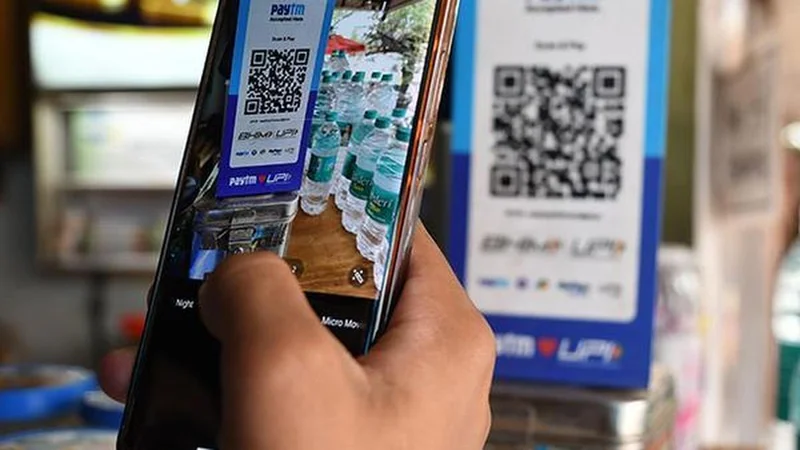
Indians make around 24 billion UPI (Unified Payments Interface) transactions a month. The combined value of these payments is nearly Rs30 trillion. UPI is at the heart of India’s digital public infrastructure. The best thing about UPI payments: they are free.
But now this could change. The government recently passed the Taxation and Other Laws (Amendment) Bill, 2026, in the Lok Sabha. This Bill, among other things, amends the Payment and Settlement Systems Act, 2007, which had ensured that no charge can be levied on UPI transactions. But now, this is no longer the case.
The government has claimed that this charge, known as the Merchant Discount Rate (MDR), may only be applied on transactions above a certain threshold, that too only on merchants, and not on consumers. But analysts believe the costs will be passed on to the consumers.
Why is MDR needed for UPI payments? Does it have anything to do with US pressure in the context of trade deal negotiations, as alleged by Opposition leaders? Is UPI really ‘free of charge’ even as it stands today?
Guest: L Srikanth from Cashless Consumer, a consumer collective
Host: G Sampath, Social Affairs Editor, The Hindu
Producer: Jude Weston
For more episodes of In Focus:
Published - August 11, 2026 06:31 pm IST