The average American needs money now as they face an uncertain economy and persistent inflation.
Some 70 percent of consumers would rather have $1,000 today than $1,100 in a year, a sign that immediate needs may be more important than long-term returns, according to an August survey of 100 U.S. adults by financial services firm Raisin.
“The findings highlight the sheer financial pressure many households are facing,” the survey said. “When cash buffers are tight and savings must serve as a primary safety net against broader economic uncertainty, chasing yield is a luxury; liquidity is a necessity.”
In that vein, consumers showed an overwhelming preference for bank accounts that let them access cash without a penalty – such as a savings account – over high-interest accounts like traditional CDs that charge penalties for early withdrawals.
The need for immediate cash was significantly higher among households with less than $25,000 saved – 85 percent – versus 56 percent of those with $25,000 or more saved.
Raisin’s figures highlight an ongoing struggle for the average consumer. Inflation, which was a modest 2.4 percent in February, shot up after President Donald Trump attacked Iran on February 28.
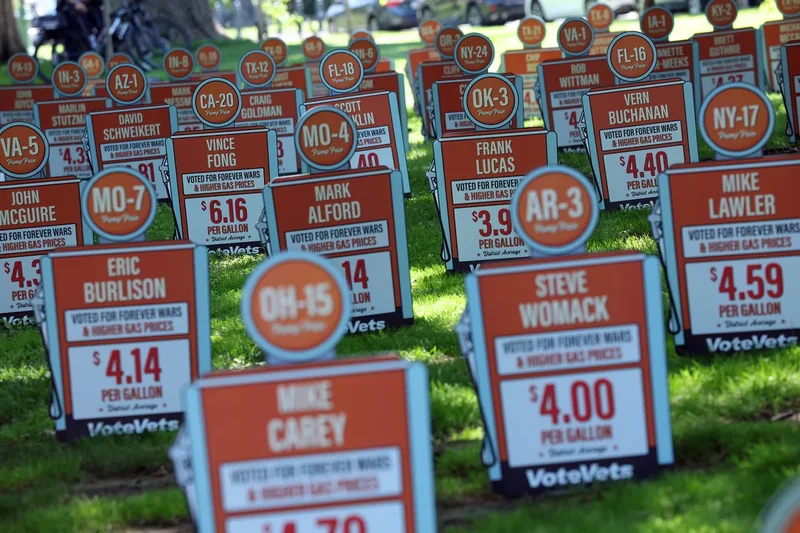
Oil prices shot past $100 because of the war, and gas prices climbed accordingly. By May, gas prices hit multi-year highs and inflation rose past 4 percent for the first time since April 2023.
Amid the sharp increase in cost of living, consumers were faced with tough choices to make ends meet.
Some put off important car maintenance to free up money for gas. Those earning more than $100,000 turned to discount stores like Dollar General to save money on necessities.
Sam’s Club and Walmart saw drivers flock to their gas stations in the spring, but the average transaction was less than 10 gallons, indicating money was so tight consumers couldn’t afford to fill their tanks all at once.
At times, the Trump administration responded to Americans’ pain at the pump – and elsewhere – with little sympathy.
When asked by White House reporters in May if he thought about Americans’ financial stress, he said his main concern was stopping Iran from using nuclear weapons and that he doesn’t “think about Americans’ financial situation.”
In May, Trump said “I love the inflation” after a reporter asked him for a response to inflation hitting 4.2 percent in that month.
Consumers found some relief in June when inflation fell to 3.5 percent, the biggest decline in six years.