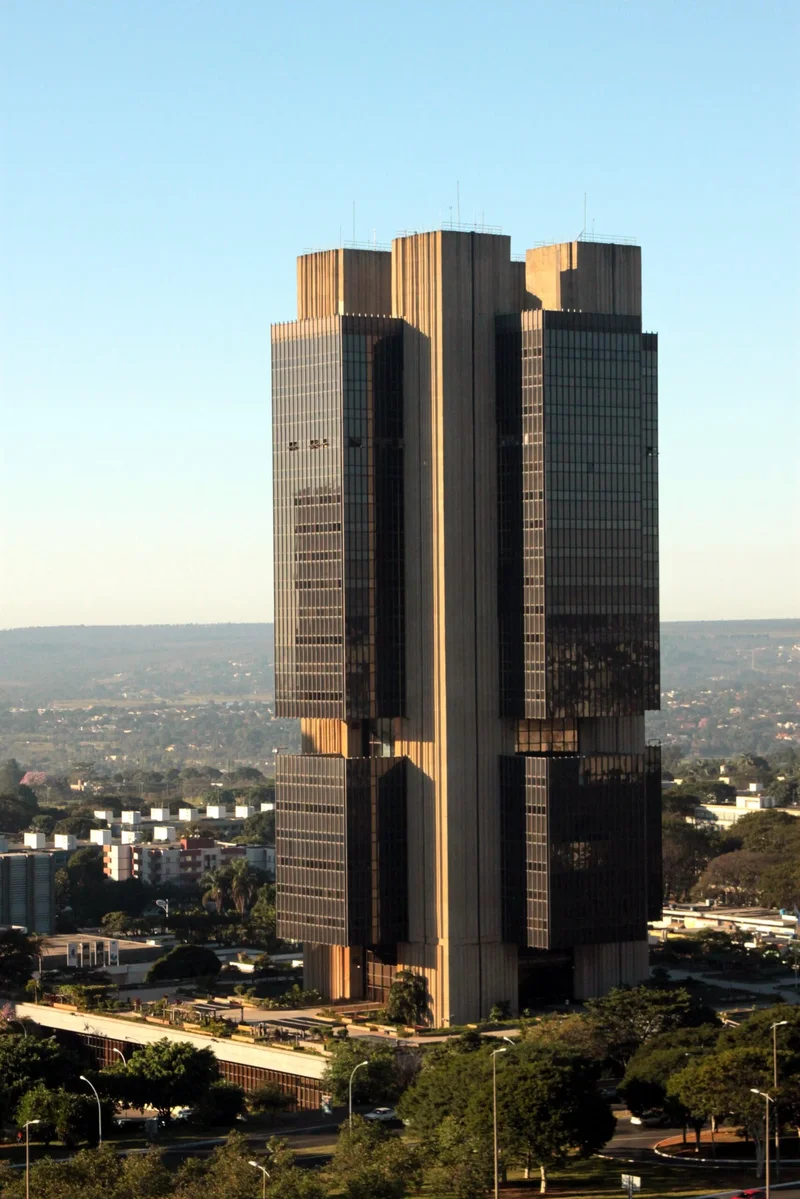
Brazil’s Copom Minutes Signal Caution Even as It Cuts to 14%
Brazil · Economy
Key Facts
- Rate cutBrazil’s Copom lowered the Selic by 0.25 point to 14.00% on August 5, 2026.
- Fourth cutThis was the fourth consecutive quarter-point reduction, one full point below the 15.00% peak.
- Cautious toneThe minutes stressed “serenidade e cautela” and said policy must stay restrictive for longer.
- De-anchored viewsInflation expectations remain “desancoradas,” requiring continued tight monetary conditions.
- Open doorThe committee kept September data-dependent, with no commitment to another cut or a pause.
- Market splitAnalysts are divided on whether the Copom cuts again in September or holds steady.
- Year-end viewThe Focus survey median puts the Selic near 13.75% by the end of 2026.
Brazil’s central bank is easing, but its own words say it’s in no hurry — and that leaves your borrowing costs and investment returns hanging on a knife’s edge.
If you’re living in Brazil or have money parked in its markets, you already know the Selic is the tide that lifts or sinks everything — from your mortgage installment to your fixed-income yield. So when Brazil’s Copom minutes land with a phrase like “serenidade e cautela,” it’s worth reading past the headline cut. The bank did lower the Selic to 14.00% on August 5, but the document that followed was less about celebrating disinflation and more about warning you not to expect a fast ride down.
What the minutes actually said
The Copom’s decision on August 5 was mechanical: another 0.25-point cut, the fourth in a row, taking the benchmark rate from 15.00% to 14.00%. But the minutes, released a week later, were deliberately sober. The committee said the current scenario demands “serenidade e cautela” — serenity and caution — in conducting monetary policy. That is not the language of a central bank preparing to accelerate.
The key line is about expectations. The committee repeated that inflation expectations remain de-anchored, or “desancoradas,” from the official target. That means households and businesses still price in future inflation above where the central bank wants it. To fight that, the Copom said monetary policy needs to stay restrictive — and stay that way for longer. Disinflation is advancing, the bank acknowledged, but it also flagged significant uncertainty and elevated risks. In plain terms: don’t mistake a slow glide for a landing.
Why September is a coin flip
Here’s where you need to pay attention. The Copom did not commit to anything for its next meeting in September. It kept the door open, saying future moves depend on incoming data. That sounds like standard central-bank hedging, but in this cycle it matters. The market is genuinely split — roughly half of analysts see another 0.25-point cut, half see a pause.
The Focus survey, which tracks market expectations, puts the median year-end Selic at about 13.75%. That implies roughly one more cut before a pause, but it’s a median — it hides a wide range of views. The Copom’s own reference-scenario projection has IPCA inflation at about 3.2% for the first quarter of 2028, the relevant policy horizon. For 2026, Focus inflation expectations sit around 5.0%. That gap — between where inflation is heading and where it currently sits — is exactly why the committee is reluctant to promise anything.
What this means for borrowers and savers
For anyone with a mortgage, an auto loan, or a business line of credit in Brazil, the practical takeaway is simple: the cost of money is coming down, but slowly. A 14.00% Selic still translates into double-digit annual rates on most consumer credit, and credit-card interest remains far above that. If you were hoping for a rapid drop to single digits, the minutes suggest you’ll be waiting a while. The “restrictive for longer” language is a direct signal that the central bank will not rush to ease just because inflation is cooling.
For investors, the picture is more nuanced. Fixed-income products like Tesouro Direto bonds and CDBs still offer attractive nominal yields, but the real return depends on where inflation lands. With expectations de-anchored, the central bank is essentially saying it won’t let those real returns erode. That’s supportive for bondholders in the short term. But it also means the Selic could stay higher than many hope, which pressures equity valuations and makes borrowing for expansion more expensive for companies. The real, Brazil’s currency, could stay firm if the rate differential with the US remains wide — but that’s a knock-on effect, not a promise.
Why this matters beyond Brazil’s borders
If you live in Latin America or invest across the region, Brazil’s Selic is not a domestic story. It’s the largest economy in the region, and its interest-rate cycle influences capital flows, currency movements, and risk appetite from Mexico to Argentina. When Brazil keeps rates high, global money tends to flow toward Brazilian fixed income, which can strengthen the real and put pressure on other regional currencies. When Brazil eases, that dynamic reverses — but a cautious, drawn-out easing means the reversal is slow.
For expats and nomads earning in dollars or euros and spending in reais, a persistently high Selic also affects your cost of living. It keeps the real firmer than it might otherwise be, which means your foreign income buys less locally. And if you’re considering a property purchase or a business venture in Brazil, the borrowing environment is still tight. The Copom’s “serenidade e cautela” is not just a phrase — it’s a policy stance that will shape your financial decisions for the rest of the year.
Frequently Asked Questions
What is the Selic rate right now?
The Selic is at 14.00% after the Copom’s August 5, 2026 cut. That’s the fourth straight 0.25-point reduction. For context, 14.00% on a loan of R$10,000 (about US$1,800) means annual interest of R$1,400 (about US$250) before any additional charges.
Will the Copom cut again in September?
It’s genuinely uncertain. The minutes kept the door open and stressed data dependence. The Focus survey median sees the Selic ending 2026 near 13.75%, which implies one more cut, but the market is split between another 0.25-point move and a pause.
How does a high Selic affect my daily life in Brazil?
A high Selic means expensive credit — mortgages, car loans, and credit-card interest all track it. It also keeps the real relatively strong, which makes imported goods and travel abroad cheaper, but it can slow job creation and business investment. For savers, it means higher yields on fixed-income investments like Tesouro Direto.
Connected Coverage
Sources: Banco Central do Brasil (Copom minutes); CNN Brasil; Agência Brasil; Focus survey.
This article was produced by The Rio Times’ automated newsroom system. How we use AI · Report an error