Sign in. It’s quick, free and it’s up to you.
An account is an optional way to support the work we do. Find out more.
MY ATTENTION WAS grabbed by the Department of Health’s recent launch of public consultation into mandatory supplementation of flour with folic acid.
Working in child health, there were two reasons why it caught my eye, the first being the benefit of folic acid supplementation in preventing neural tube defects like spina bifida and anencephaly.
The second reason was the value in engaging the public’s views on health measures. Public consultation is a move away from paternalism, which for too long has been a feature of healthcare. There was no public consultation in 1964 when fluoride was added to our water to reduce dental caries; objections to this measure from some people continue to this day.
Consultation seeks to incorporate diverse perspectives and address specific barriers encountered by minority groups, which might otherwise be missed by experts. It teases out questions that some people have about a proposed health intervention and builds trust as a range of communities feel heard.
Public health consultation is omitted when there is a health emergency, such as the Covid pandemic, due to a balancing of risks between the time needed for consultation and the degree of health threat. But the lack of public input into the management of Covid-19 has left a legacy of healthcare distrust which has manifested in decreased uptake of childhood immunisations for whooping cough and measles.
When state agencies fail to consult the public, it can lead to policy failure and wasted resources. This was evident in 2023 when the Department for Social Protection introduced a ‘Green Paper’ to restructure disability allowance based on a tiered system of capacity to work, without first carrying out early and meaningful consultation with disabled people or advocacy groups. Following an outcry, the government was forced to scrap the proposal, wasting months of administrative work and alienating a vulnerable population.
The current Department of Health consultation is important because it is proposed that folic acid be added to flour in Ireland. If we do so, we join more than 80 countries worldwide with mandatory fortification policies requiring the addition of folic acid to staple foods like wheat flour, including New Zealand, Canada and Australia.
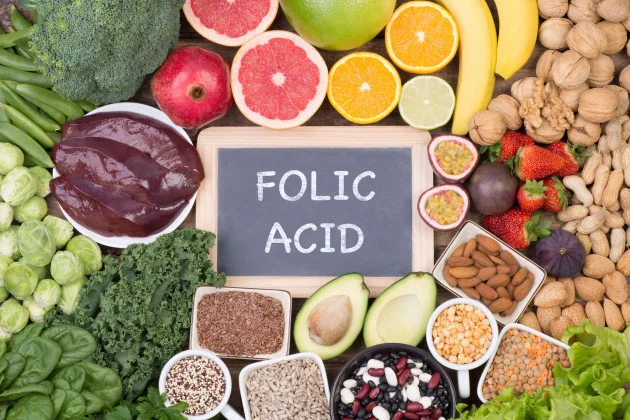
Folic acid is a vitamin which is essential for cell growth and repair. During early pregnancy, cells divide and grow rapidly forming vital structures. Most women won’t even be aware that they are pregnant at this stage. Folic acid supplementation has been found to reduce the incidence of growth defects in a baby’s brain and spine.
With a rate of 1.05 per 1,000 births, Ireland has a higher-than-average incidence of neural tube defects compared to the European average of 0.36 per 1,000 births.
All women who might become pregnant are encouraged to take regular folic acid. This advice remains unchanged by flour fortification. In a belt-and-braces approach to reducing neural tube defects, regular supplementation is the belt, and flour fortification is the braces.
Adding folic acid to flour is considered necessary because of unplanned pregnancy and other situations where women have not had access to regular supplementation and health advice, such as female migrants or women living in homelessness or poverty.
It is also necessary because there are other groups in society who benefit from increasing their folic acid intake. Many elderly people consume nutritionally incomplete meals due to smaller appetites, a weaker swallow and poor dentition. Patients recovering from surgery or receiving chemotherapy require a nutrient-dense diet for cell growth and repair.
Wheat flour is used in such a wide range of foods, especially bread, that adding folic acid to flour is the most effective way to reach the widest number of people. This includes cheap and ethnically diverse foods, promoting equity.
However, the cost of any new nutritional health measure must be picked up by the state to avoid widening the gap in nutrition already faced by families. With Safefood estimating in 2024 that 9% of the Irish population experience food poverty, passing the cost of folic acid fortification onto individual consumers would be grossly unfair.
If the cost of bread rises because of fortification, people may eat less of it.
Poverty limits the effectiveness of most public health advice, such as eating fruit and vegetables. Targeting poverty overall would be far more effective and yield greater benefits for children than any single policy introduction.
The same could be said about reaching pregnant women living in homelessness; secure accommodation and support would go a lot further than specific nutritional supplementation.
Public consultation on folic acid fortification is welcome. Folic acid fortification could improve health for generations to come, but objections to its introduction ought to be heard and respected.
If the consultation uncovers gaps in existing health and social service provision, the information ought to be used to shape future allocation of resources.
In health, everything connects.
Dr Suzanne Crowe is a consultant in paediatric intensive care.
To embed this post, copy the code below on your site