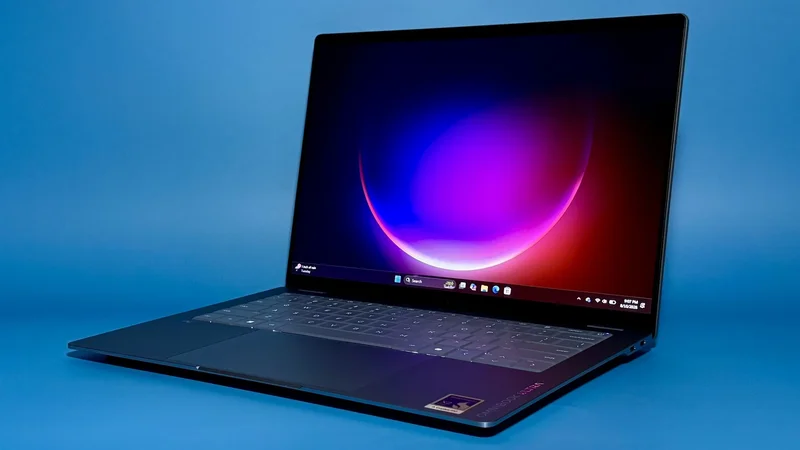
Windows laptops just can't catch a break. As the memory chip shortage rages on, a new report from the Taiwanese newspaper United Daily News (UDN) says PCs are facing further price hikes as Microsoft raises its Windows 11 licensing fees for device manufacturers.
According to a PC brand executive who spoke anonymously to UDN, Microsoft normally bumps its Windows license fees for PC makers by small margins every year. However, the latest increases are much higher than usual.
"In the past, licensing fees mostly increased by single digits each year, but starting in July this year, the average increase has reached 7 percent to 10 percent," UDN wrote. Other brand executives interviewed by the newspaper noted that the licensing fee increases vary by processor type; more powerful devices with higher-end CPUs have seen bigger increases than lower-end models.
You May Also Like
These licensing fee changes are already impacting current PC prices, per UDN's sources. That would make sense since most Windows laptops and desktops sold to consumers come with their operating systems pre-installed. (In a win for DIYers, pricing for individual Windows 11 licenses remains unchanged.)
When reached for comment by Mashable, a representative for Microsoft said the company "has nothing to share at this time."
If true, UDN's report means PC makers are facing unprecedented financial challenges on the software and hardware fronts. The AI boom has caused a shortage of physical computer components like RAM and SSD storage chips, forcing brands like Dell, Framework, and Microsoft itself to jack up their laptop prices in recent months. Some experts predict that this crisis, often referred to as "RAMageddon," will continue to worsen later this year and into next.
Haley Henschel is a Chicago-based Senior Shopping Reporter at Mashable who reviews and finds deals on popular tech, from laptops to gaming consoles and VPNs. She has years of experience covering shopping holidays and can tell you what’s actually worth buying on Black Friday and Amazon Prime Day. Her work has also explored the driving forces behind digital trends within the shopping sphere, from dupes to 12-foot skeletons.