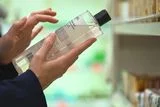
Scanning the labels of cosmetic and cleaning product aisles in drug and grocery stores reassures consumers that the industry is aware of potentially harmful chemicals. Claims like “non-toxic,” “hypoallergenic,” or “paraben-free” on a bottle of shampoo or all-purpose cleaner often drive us to purchase, believing we’re making better choices for our health.
However, a new study conducted by the Million Marker Research Institute (MMRI) showed that of over 100 tested everyday consumer products, most contained at least one unlabeled chemical with known or suspected health hazards.
Additionally, 25 percent of the tested products included chemicals that were specifically labeled not to be included, contradicting claims made on the packaging, including allergens in ostensibly hypoallergenic items. While the team that tested the products said that traces of unwanted chemicals may be included in products unintentionally, they call for stricter safety ratings during quality control.
"We found undisclosed harmful chemicals in products claiming to be free of them," said senior author Jenna Hua, founder of the Million Marker Research Institute in Berkeley, in a press release. "That means someone can carefully read ingredient lists, choose 'clean' products, and still end up exposed to the very chemicals they were trying to avoid. The label can't protect you when it doesn't show what's really in the bottle."
Undisclosed Chemicals in Everyday Products
The investigation, published in Environment & Health, included 113 cosmetic and cleaning products, such as sunscreens, baby lotions, shampoos, soaps, etc., using nontargeted analysis, a method that screens for a large number of chemicals without any previous information on ingredients. Of the over 3,000 detected chemical signals, around 300 could be identified with various confidence ranges.
Altogether, 98 percent of the analyzed products contained at least one chemical not included on the label, while 85 percent contained a potentially harmful unlabeled substance.
Some of these undisclosed substances were potential hormone-interfering chemicals, like phthalates, parabens, or butylated hydroxytoluene (BHT), which are often used to make plastics softer or as preservatives. There is research showing that some of these compounds are linked to health problems, such as cancer, reproductive or developmental toxicity, allergies, diabetes, or obesity.
Ingredients Can Contradict Claims on Labels
Besides products including compounds not listed on their labels, some ingredients detected go completely against the claims made on the label. The team described how products claimed to be “natural,” “non-toxic,” or “organic” often contained hidden compounds that may actually be harmful.
One in four items contained ingredients that contradicted how the products were advertised. Some products labeled “100 percent natural” contained synthetic fragrances, phthalates, parabens, silicones, or oxybenzone, despite being marketed as free of those specific substances.
Even some “hypoallergenic” products were frequently found to contain chemicals known to sensitize the immune system or ones that can even trigger an allergic reaction.
Product Contamination Possibly Unintended
But how do these chemicals end up in the final product without being included on the ingredient list? The researchers explain that many steps during the manufacturing process, like contamination of raw materials, chemical reactions, storage and packaging, or supplier changes, could explain how unwanted ingredients slip into the end products.
Because safety and quality control rely on disclosed ingredient lists, the authors explain that unknown contaminants and other impurities aren’t closely monitored. They recommend routinizing nontargeted analysis in finished product testing, pointing out the gaps in U.S. oversight of manufacturer reporting.
“People shouldn't need a chemistry lab to know what they're bringing into their homes or putting on their skin," Hua added. “The next generation of product safety must look beyond the label and test what is actually there.”
This article is not offering medical advice and should be used for informational purposes only.
Read More: Tanning Beds Are Mutating Your DNA and Tripling the Risk of Deadly Skin Cancer
Article Sources
Our writers at Discovermagazine.com use peer-reviewed studies and high-quality sources for our articles, and our editors review for scientific accuracy and editorial standards. Review the sources used below for this article:
- This article references information from a study published in Environment & Health:Hidden Hazards: Nontargeted Chemical Analysis Reveals Widespread Contaminants and Mislabeling in Personal Care and Cleaning Products