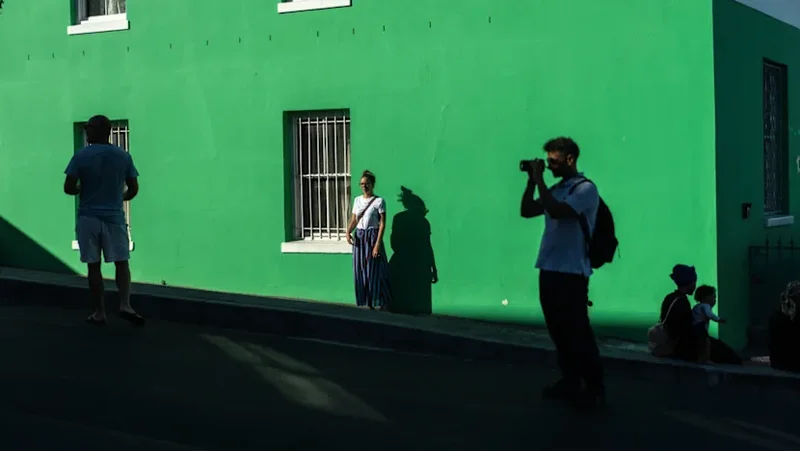
Those in the tourism industry say that gatekeeping is a response to travellers seeking the most authentic experiences that other tourists are not having.
“Today’s travellers are increasingly drawn to places that feel authentic and undiscovered, seeking meaningful connections rather than simply checking off famous landmarks,” said Kimberley Cohen, a co-founder and artistic director for the French luxury hotel group Maisons Pariente.
The best way to get these experiences is by asking residents, often through social media. For some gatekeepers, this is tourists’ weak spot.
In one TikTok video, a tourist planning a trip to Italy asked Italians where they go on vacation. “Im not talking portofino, amalfi coast or capri,” she wrote. “Im talking actual hidden gems some places you can only reach by car, some places NO ONE knows or talks about.”
The post received nearly 4,000 comments, with some tourism-weary Italians directing her to difficult-to-access, less than picturesque or even unsafe parts of the country.
For instance, Giulia Liu, 24, who was born and raised in Milan, suggested that the woman check out Milan’s central train station, which is known for pickpocketing and petty crime, particularly at night. In an interview, Liu said she was speaking in jest, but added that her comment and those like it reveal a growing tension between travellers’ search for authenticity and residents’ desire for peace and quiet.
“Some tourists are maleducati —they don’t respect culture or the manners of the country,” Liu said, using the Italian word for rude. “On subways, they shout and are so much louder than everyone else; in the streets they don’t throw the trash in the bin, they just toss it on the ground.”
Liu said that between Milan Fashion Week, Design Week this year’s Winter Olympicsand other events drawing foreigners to the area, the city has started to feel like a theme park. These days, she said, she has to make reservations at restaurants that she previously just walked into.
“It’s normal, it’s good if the tourist places like the Duomo and Castello Sforzesco are crowded, but it gets overwhelming and uncomfortable when it’s in our neighbourhoods that tourists think are ‘off the beaten path,’” she said.
PROTECTING SENSITIVE PLACES
It’s not only restaurants and vintage stores that people want to keep secret.
For Karishma Porwal, 28, a climate content creator, avid traveller and hiker who lives in Toronto, gatekeeping is about protecting environmentally sensitive places that could be damaged by overtourism.
“I would never disclose the location of a fairly unpopular and hidden-away salmon-spawning creek, or a sensitive ecology,” she said. “I don’t think I would post about it on social media, or at least I wouldn’t geo-tag it, so it doesn’t get overrun by tourists.”
Porwal said that when she comes across a place that is already known for its ecotourism, she does not mind sharing it.
“When it’s done right, tourism can be beneficial for conservation, preserving the environment and helping people become stewards of the environment,” she said.