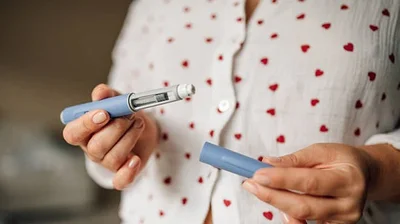
When weight-loss drugs like Mounjaro and Ozempic first arrived in India, I knew I had to take them. Before you jump to conclusions, I have been obese all my life. I am 26 and used to weigh 90 kg. I had tried weight-loss diets, exercise, the gym and every other way to lose those extra kilos, but nothing seemed to work until doctors prescribed Ozempic.
I lost about 20 kg in six months and have another 15 kg to go before I reach my ideal weight. While I am gaining confidence when I meet new people or go out on dates, what often makes me wary is whether I should tell them that I am on weight-loss drugs.
But do I really owe anyone an answer? - Samaira Khan’s account
Samaira's question is not an unusual one anymore.
Since weight-loss drugs entered the Indian market, many people struggling with obesity have turned to them. India's anti-obesity drug market grew from $16 million in 2021 to nearly $100 million, according to Pharmarack, a research firm. The reasons for that growth are many: rising awareness, greater access, doctors prescribing the drugs and, of course, people who have spent years trying to lose weight finally finding something that works for them.
But as these medications become more common, they are also becoming part of conversations that have little to do with the doctor's office.
Like dating.
A person may lose weight, gain confidence and start putting themselves out there again. But then comes the question: if the person across the table asks how they lost the weight, do they need to tell the whole story?
The simple answer is no.
You do not owe anyone details of your medical choices simply because you are sitting across them at dinner. But like most things that appear simple on the surface, the answer becomes more layered when dating turns into intimacy.
Your body, your choice
Whether you are taking medication for blood pressure, mental health, hormonal balance or weight management, you do not owe someone you have just started getting to know a complete account of your medical history.
“Medical decisions belong to the person making them,” says Dr Chandni Tugnait, psychotherapist and founder and director of Gateway of Healing, speaking to India Today.
The fact that weight loss, in particular, requires an explanation says more about our conditioning around the “ideal body type” and the stigma attached to weight than it does about any actual obligation to disclose.
When it might genuinely matter
Of course, there may be a right time to have this conversation. It is when things start getting serious. “If you're in a relationship that's becoming serious and your partner has noticed a significant physical change, honest conversation is simply part of building trust,” says Dr Tugnait.
Or, for instance, if the drug's side effects are affecting how you show up on dates—whether through changes in appetite, fatigue or anything else that impacts your time together. “That’s when the conversation might come up naturally. And if you personally feel more comfortable being open about it early on because it's part of a broader health journey you're invested in, that's a completely valid choice too,” she adds.
You don’t have to disclose it on day one
It does not need to be disclosed on a first date. It also does not need to be hidden indefinitely if a relationship develops and you genuinely want to talk about it.
If you are considering the right time, Dr Tugnait says it is probably when the information becomes relevant to the relationship or when you feel comfortable sharing it. Initial dates are more about observation and getting to know each other better. You do not have to submit your health history—not until you feel ready to share it.
But what if they judge you?
The fear of being judged is often what makes people hesitate to disclose that they are taking weight-loss medication. Will the other person think they took a shortcut? Will they assume the weight will come back if they stop? Will they see the medication as evidence of a lack of discipline?
But think again. Are those judgements what is making you share information you otherwise would not?
And if it is the fear of judgement, when has the world ever stopped judging? People are judged in their highs and lows, at funerals and birthdays, at weddings and everywhere in between. That is not going away.
You just need to decide whether that judgement is ultimately worth giving so much power to.
Our two cents
If someone asks about your weight loss, you can choose to answer. You can say you have been working on your health. You can say you are taking medication. You can also say that it is personal.
All three are valid answers.
Of course, as a relationship becomes more serious, people tend to share more of themselves. That is what intimacy is. But sharing something because you want someone to know you better is very different from explaining yourself because you are afraid they will judge you.
Samaira may eventually decide to tell the person she is dating that she is on weight-loss medication. Or she may not. Either way, the decision belongs to her. Because the person sitting across the dinner table is a date. Not her doctor.
- Ends
Published By:
Tiasa Bhowal
Published On:
Jul 21, 2026 16:59 IST