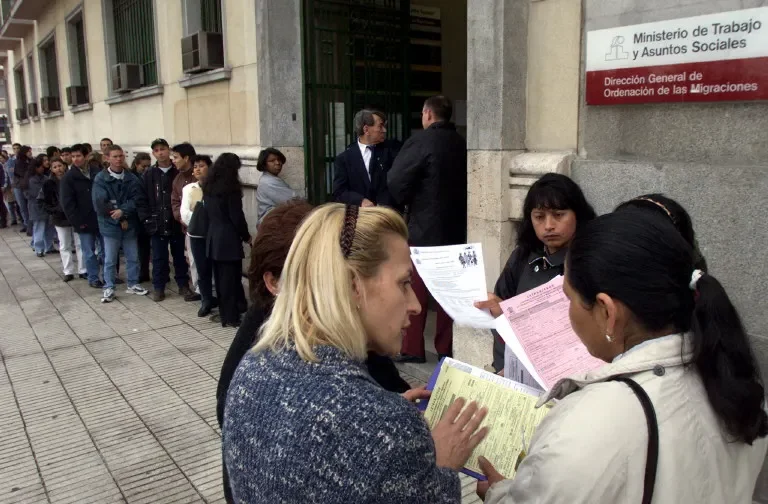
Anyone who has moved to Spain will be more than aware that getting an appointment to do an official admin process or for residency paperwork can sometimes feel impossible.
For years, Spanish authorities have been unable to prevent scammers from boycotting the online appoint system, booking up all available appointments using bots, and then selling off these public (and therefore free citas) for sometimes more than €100 through WhatsApp groups, internet cafés, the dark web and so on.
Arrests have been made, as have promises by the Spanish government, but so far no public body - from the immigration department to the DGT traffic authority - has completely stamped out the illicit practice.
READ ALSO: 'Never been this bad' - Your problems booking residency appointments in Spain
There is promising news, however, as a handful of immigration offices are successfully preventing criminal gangs from booking up all appointments for the toma de huellas (fingerprints) step of foreigners' residency applications.
This is the step in the residency process after you receive a favourable visa response to live in Spain, where you need to apply for a residency card or TIE and get your fingerprints taken.
Rather than foreigners having to go onto the system and search for an available slot for this process - which is when the impossibility of landing an appointment in the normal way appears - applicants get sent a time and date for them to go to their extranjería office to complete the huellas process.
There are reports that immigration offices in Cantabria, Tarragona, Castellón, and Alicante have adopted this automated system, preventing scammers from booking appointments for this process and then selling them for large profits.
Lawyer Arianne Cobo told Spanish daily El Diario that “since this week, the Cantabria office has already received several concessions with this appointment system, which seems to be working well and will put an end to the problem.”
Adriana Villegas Rey, a member of the governing board of the Cantabria Bar Association (ICA) and head of the Immigration section, added: “Before, you could log in and it didn’t matter what time it was; there were no appointments, no appointments, no appointments.”
“Now, some residency decisions already include the appointment, while others indicate that you will receive an email with your appointment time within a few days,” she said.
Given the apparent success of this system, it should hopefully be rolled out in other bigger cities like Madrid and Barcelona where appointments are notoriously difficult to get due to the sheer number of people trying to move there.
Although the move aims to solve the issue of getting appointments for taking fingerprints, foreigners will still need appointments for other admin procedures such as renewing TIE cards, getting a Padrón certificate etc.
So, while it’s a good step in the right direction, many will still be waiting for appointments and may even have to resort to paying for them, ensuring the cita previa scam lives on.
Spanish authorities had previously said they were considering introducing a new personalised passkey system in a bid to stamp out the fraudulent "trading" of appointments at extranjería offices, but there is no evidence that this came into force.
READ ALSO: Spain eyes new way for foreigners to avoid 'cita previa' appointment scam
In 2025, Spain's Minister for Digital Transformation and Public Service Óscar López also announced a new plan transform the state administration using artificial intelligence, but again this doesn't appear to have materialised yet.