Convenient, quick, and tasty, the meal deal is a lunch choice for many. In fact, more than 7 million of the main/snack/drink combo are sold every day in the UK.
But with talk of ultra-processed foods and fibremaxxing rife, it’s hard to argue the case for meal deals being the healthiest or most satisfying choice – particularly with options that include a sausage, bacon and egg triple sandwich, McCoy's flame grilled steak crisps, Red Bull and Coca-Cola.
However, times are changing, and many people are making efforts to tweak their lunches for the better – crisps have lost their top snack spot at Tesco to a pot of two hard boiled eggs, while the breakfast sarnie made way for the chicken club sandwich.
But what are the healthiest meal deal options? We asked certified nutritionists to pick a meal deal from UK supermarkets, and explain the rationale behind their choices. In their meal deal combos, protein and fibre were prioritised, while they were also on the look out for any opportunity for packing in veggies.
Read more: Best creatine supplements, tested
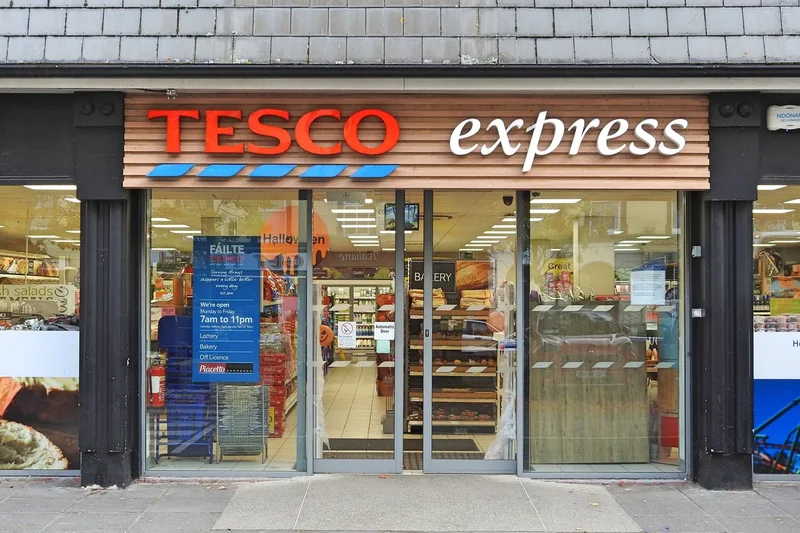
Tesco
“What this wrap lacks in protein (at 15.6g it falls slightly below the 25-30g per meal target), it more than makes up for in fibre,” registered nutritional therapist Georgie Grant says. “With 10.3g of fibre from black turtle beans and borlotti beans, it provides over a third of the adult daily recommended intake in one meal.
“Both bean varieties have a low glycaemic load, meaning energy is released slowly without sharp blood sugar spikes, and they're a rich source of plant-based protein, folate, iron, magnesium and potassium. Adding a protein rich snack (such as the below) helps to close the protein gap here.”
“With 10g of protein, this snack brings the meal's total protein to just over 25g - hitting the per meal target,” Grant notes. “Nuts also provide essential minerals including calcium, magnesium, iron and copper, making this a genuinely nutritious addition rather than an afterthought.”
“No sugar, no sweeteners, just sparkling water,” says Grant. “A clean, hydrating option that doesn't undermine an otherwise nutritious meal,” she explains.
“Add chopped fruit combinations for extra flavour and interest - lemon and lime, cucumber and mint, or strawberries and blueberries all work well.”
Read more: The difference between whey protein concentrate and isolate, explained
Sainsbury’s
“With 27.5g of protein, this sandwich sits nicely within the recommended 25-30g per meal target that helps to keep blood sugar stable, sustain energy throughout the day, and support muscle repair and maintenance,” Grant says. “The malted bread offers more fibre than a standard white loaf, and while it's not technically wholegrain, it uses wheat bran to provide a more nutritious base. The salad also adds some additional nutrition, though at around 43g it falls short of a full 5-a-day portion, which requires 80g+.”
“The carrot counts as one of your five-a-day portions and provides fibre, while the houmous adds healthy fat and plant-based protein - together helping to keep you fuller for longer and avoiding the mid-afternoon energy dip,” she explains.
Dash is Grant’s drink of choice from Sainsbury’s. “Carbonated water with a pleasant raspberry flavour and no added sugar or sweeteners - genuinely one of the healthiest drink options available in a supermarket meal deal.”
Morrisons
“For £4.00, this meal provides a whopping 42 grams of protein from mostly high-quality sources, keeping me feeling full and helping support growth and recovery for my muscles,” says registered nutritionist Mark Gilbert, nutritionist for the 1:1 Diet by Cambridge weight plan.
“It has less than one third of my recommended sodium, and although it has 30 grams of sugar, about half is from fruit, which is nutrient-dense and contains healthy phytochemicals. Finally, I like ham and cheese, although arguably for those with high blood pressure it could be too high in salt for those who are sodium sensitive,” he adds.
He adds that, ideally, the iced coffee would not contain carrageenan – a thickening agent and stabiliser that’s often found in drinks like oat milk and products like yogurt and ice cream – as this has been associated with a variety of gut issues, “but occasional intake is not likely to be a problem in people who don’t have IBS or IBD”.
M&S
"When I’m dashing around London, I always find myself in an M&S Food Hall,” says Bethany Eaton, nutritionist and founder of Nush. “Their meal deal is one of the better options on the high street because of the quality of the ingredients and the fact that many choices are low in ultra-processed foods.”
She praises the salad for its gut health credentials and ability to fill you up effectively.
“It’s packed with quinoa, edamame and nuts, plus a cannellini bean and sesame tahini dip. You’re getting two of your five-a-day, nearly 16g of fibre and a wide variety of plant foods, all of which help you towards the recommended 30 plants per week for optimal gut microbiome support.”
Eaton aims fore both protein and fibre in every meal and snack, with her chosen cocoa and peanut protein ball offering a decent hit of both. She usually then opts for water as her drink, but adds a fiery ginger kombucha when she’s craving a bit more flavour.
“It’s refreshing, lower in sugar than most soft drinks, and the ginger variety adds a digestive boost too,” she explains.
Can a meal deal be a healthy lunch option?
Every suggestion above is different. This goes to show that finding the right meal choice for you will depend on individual factors such as your preferences, dietary needs, age, size and health and fitness goals.
Our experts agree that compiling a nourishing lunch can be tricky, with most meal deal shelves dominated by “processed foods, white bread and pasta, fizzy drinks and sugary snacks”. But most people can find a combination that works for their lifestyle by considering the common denominators below:
- Prioritise protein and fibre.
- Aim for wholefoods where possible and try to limit more processed inclusions – unrecognisable ingredients on the back of the packet are a good signifier of this latter camp.
- Look to eat at least two portions of fruit and vegetables per meal.
- Include a total number of calories that works for your current health and fitness goals.
- Avoid crisps, sugary snacks and sugary fizzy drinks except on rare occasions.
“For sustained energy release and good digestion, include fibre and fermented foods, and to ensure you’re eating at least five to seven portions of fruit and vegetables daily, you want your lunch to ideally contain at least two portions,” says Kerry Beeson BSc (nutritional medicine), nutritional therapist at Prep Kitchen. “Finally, an individual might have dietary preferences, religious restrictions or food allergies or intolerances which will affect their choices.”
Another fairly uniform point among the nutritionists I spoke with was a desire to see more nutritious options available for meal deals.
Gilbert says: “I would love to see more options with less starch, sugar and refined oils in meal deals, and with more protein and unprocessed foods.”
“The other point I would add is the importance of variety,” says Anna Markusson, in-house clinical nutritionist at Bettervits. “Even if you find a healthy ‘go-to’ meal deal, it’s best not to rely on the same option every single day. Your body benefits from a wide range of vitamins, minerals and antioxidants, so mixing up your choices not only makes meals more enjoyable but also ensures better overall nutrition.”
Read more: Best apple cider vinegar drinks, recommended by health experts
What is the healthiest lunch option?
Making informed choices using the points above can create a pretty nutritious meal deal, offering a time-savvy lunch option, but our featured nutritionists still prefer eating pre-prepared, home-cooked food whenever their schedules allow for it.
“I only buy meal deals if I’m in the office and I haven’t brought my own lunch,” says Beeson.
“Cooking at home will always be the better option, not only from a price perspective but also because you have full control over what goes into your food,” adds Magnusson. “The challenge with supermarkets is the temptation to grab a sandwich with crisps and a sugary drink, which unfortunately offers very little nutritional value.
“Personally, I always try to cook a bit extra at dinner so that I have enough for lunch the next day, which makes healthy eating both easier and more cost-effective.”
Read more: Best probiotics, recommended by experts