Home security and alarm systems are generally split into two categories. One includes DIY systems that can be installed by the customer without any outside help, and the other covers systems that require professional installation.
Both types of system aim to protect your home by using motion detectors, cameras, door/window sensors and a range of other devices, then sound the alarm with a siren, plus phone notifications to keep you informed.
DIY systems are often cheaper to get started, since you can buy only the bare essentials at first, install them yourself, then gradually build out a larger system over time. Some DIY systems store security camera footage locally for free, while others charge a monthly fee for cloud storage services.
Installation of a DIY system usually involves screws or adhesive pads for mounting cameras, sensors, keypads and other hardware to the walls, doors and window frames of your home. You often need little more than a screw driver or drill and a ladder to complete the installation.
Once installed, most DIY systems provide self-monitored security, where you (and your designated emergency contacts) receive an automated alert when the alarm is triggered, and it’s then up to you to assess the situation and call the emergency services if required. That said, some systems can be installed DIY then give the option to pay for professional monitoring.
Verisure works differently, since every system is bespoke and created once a security expert has visited your home, assessed what is required to meet your security needs, and presented you with the best option. Keep reading to find out more.
Installing a fully monitored alarm system
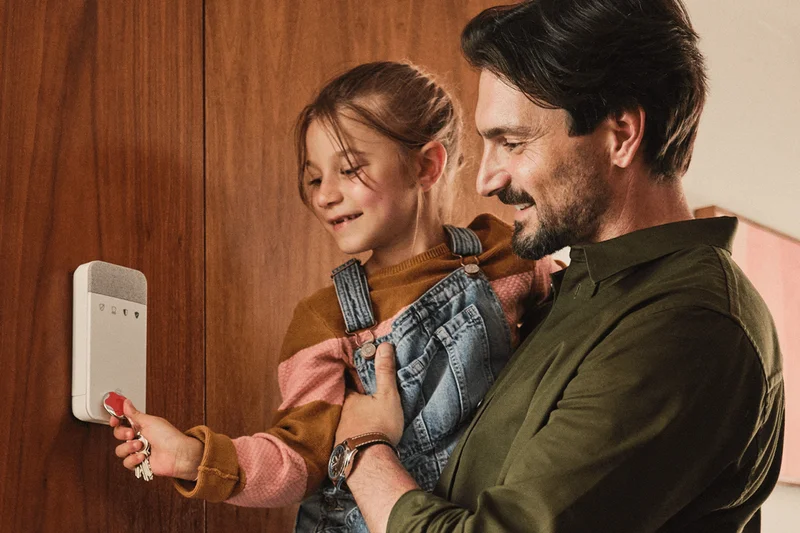
All Verisure systems include a hub for connecting to your internet router, the SVK (sound, vision, keypad) unit, which is wall-mounted and acts as your primary way of arming and disarming the system. They also include a shock sensor that attaches to a door or window and triggers the alarm if it’s opened or detects a potential attempted break-in.
Other components include indoor and outdoor cameras, a video doorbell, smart door locks, and even Verisure’s ZeroVision smoke deployment system. Verisure installers talk each prospective customer through these products to help them decide what’s needed for their home, and what combination of components is right for their budget and individual needs.
Verisure alarm systems are installed by a professional who can identify vulnerable entry points (Verisure)
The alarm system is then installed by a professional who plans exactly where each component should go. For example, Verisure’s Arlo outdoor cameras work best at a certain height, and the location of its GuardVision indoor cameras will depend on whether you have pets who might accidentally trigger the alarm. The company’s smart door lock is also installed by a professional, who will first check that your door and lock system is compatible.
The installation professional can also identify vulnerable entry points that a homeowner might overlook, such as a side door or window, helping ensure the system provides the right level of coverage. They’ll also ensure the hub is located in the best location for optimum signal strength.
Once they’ve finished the installation, and checked everything is working correctly, the engineer teaches the customer how to use their new alarm. This includes a walkthrough of the My Verisure app, an explanation of what happens when the alarm is triggered, and a lesson on how the key fobs, code words and various alarm modes all work.
The difference between DIY systems and professionally monitored alarms
Where DIY systems – including those that offer professional monitoring – ask the homeowner to keep an eye on their system and troubleshoot any issues, Verisure’s customer support can take care of that for you. Maintenance and repairs are included in the monthly fee, but there are instructions in the My Verisure app for simple tasks, like battery replacement, that the customer can do themselves if preferred.
Verisure also conducts automated system checks to ensure every component is working correctly, and emails customers a comprehensive quarterly report for every part of their system. Customer support can be contacted by phone, or via a WhatsApp text chat. This can be used to help troubleshoot issues – when the system tells its owner it has lost connection, for example – and resolve problems. If required, an engineer visit can be arranged through the app.
Being a professionally monitored system, a Verisure security expert makes contact – through the system initially, or by phone – when the alarm is triggered. They’ll assess the situation using information from the system, including its sensors, camera images, video and audio. If everything is fine, you can tell them to stand down by stating your code word.
Ultimately, the biggest difference between a DIY alarm system and one that’s professionally installed and monitored is how involved you want to be. A DIY system gives you flexibility, lower upfront costs, the option to avoid any ongoing contracts and costs, and the satisfaction of installing and managing everything yourself.
A professionally installed and monitored system like Verisure hands much of that responsibility to professional installers and security experts, from the initial quote and consultation, to the setup process, alarm response, maintenance and ongoing support. Deciding which approach is best will depend on your budget, your home, your needs from an alarm system, and how hands-on you want to be.