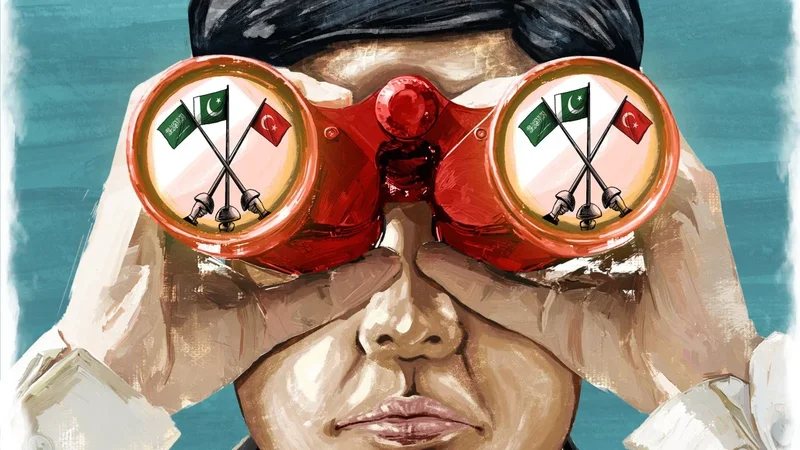
What the Mecca military pact means for China
Defence pact between Saudi Arabia, Turkey and Pakistan presents a complex strategic calculus for Beijing, demanding a masterclass in balance
When Saudi Crown Prince Mohammed bin Salman, Turkish President Recep Tayyip Erdogan, and Pakistani Prime Minister Shehbaz Sharif signed the Mecca defence agreement, they executed a structural overhaul of the Middle East’s security architecture.
Unlike the transatlantic security alliance, which relies on a rigid, institutionalised command structure, integrated command hubs and shared doctrine under American hegemony, the Mecca pact is seen to be operating as a flexible, transactional strategic coalition. It lacks a permanent bureaucratic headquarters, relying instead on state-to-state defence integration, intelligence sharing and defence-industrial co-development.