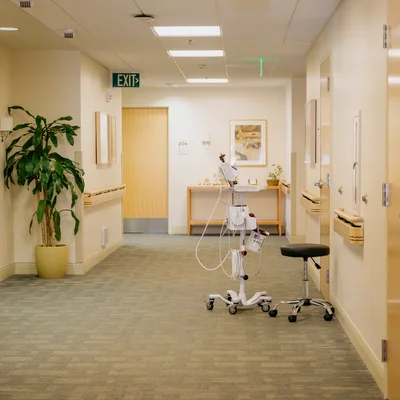
Channing House, a senior living community just a mile from Stanford University, is home to pioneering scientists, tech executives and inventors. But during a recent meeting, its residents confronted a problem they felt powerless to fix: the sudden loss of their caregivers to immigration policies.
“Ourwork force is being drastically disrupted, relationships are being severed and lives are being upended right now,” said Rhonda Bekkedahl, the center’s chief executive, who convened the gathering in June that was attended by about half of the 250 residents of the community in Palo Alto, Calif.
The Trump administration’s immigration crackdown is colliding with a demographic reality. Americans are aging rapidly and living longer, creating soaring demand for elder care when the industry is already buckling under the weight of chronic labor shortages.
Almost 70 million people in the United States are 65 or older, and government projections estimate that 70 percent of older adults will need care at some point in their lives.
Millions of immigrants, eligible to work in the United States, fill positions across the elder care industry such as nurses, dietitians, fitness instructors and maintenance technicians. And countless undocumented immigrants care for seniors in their homes, part of a vast informal economy.
Immigration enforcement is choking both labor pools.