CSN Weighs Selling a Minority Stake in Its Logistics Business
Brazil · Business
For a steelmaker fighting one of Brazil’s heaviest corporate debt loads, the ports and railways may be worth more sold than held.
CSN, one of Brazil’s largest steelmakers. Is weighing the sale of a minority stake in its infrastructure and logistics assets as it tries to shrink a heavy debt load.
The move would open the company’s ports. Railways and trucking operations to an outside investor for the first time, while leaving the group in control.
What the Company Is Actually Considering
The plan on the table is not a fire sale of the whole business. Instead.
The group wants to bring in a partner by selling a minority slice of a single platform that holds its infrastructure and logistics assets. Brazilian outlets have put that slice at somewhere between 20% and 40%.
Because the range stays a minority, the company would keep operational control even after a deal closes. Management hired advisers to test the market earlier in 2026.
So far, though, it has sought buyers rather than signed anything, which keeps the process firmly in the exploratory stage.
The Ports and Railways on Offer
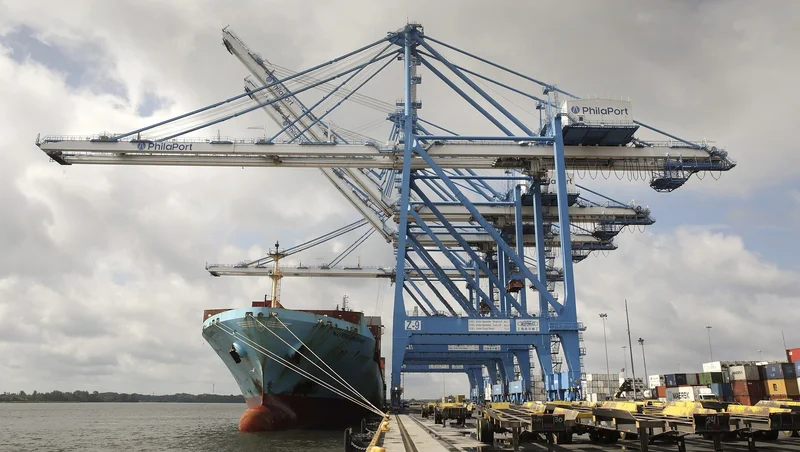
At the core of the package sit two port terminals at Itaguai, on the coast of Rio de Janeiro state. Tecar handles bulk cargo such as iron ore, while Sepetiba Tecon moves containers.
The platform also carries a stake in MRS Logistica, one of the busiest freight railways in the country. In addition, it includes Tora, a road-based logistics and trucking operator.
Together these assets form the backbone that moves the group’s steel and mining output to market. That is why control matters, even as the company looks for outside capital.
Live Company IntelligenceCompanhia Siderurgica Nacional ADR — the full investor dossier
Wall Street view
0Buy
3Hold
2Sell
$1.20· -15% vs 200-day
Valuation & profitability
Price & risk
$0.8452-wk high
$2.20
Revenue trend · 6y
$43.92B
Ownership
Dividend
What Companhia Siderurgica Nacional does.Companhia Siderúrgica Nacional, together with its subsidiaries, operates as an integrated steel producer in Brazil and internationally. It operates through five segments: Steel Industry, Mining, Logistics, Energy, and Cement. The Steel Segment offers produce and sells of flat and long steel. The Mining Segment engages in extraction, processing and marketing of iron…
Why the Debt Load Is Driving the Sale
The clearest reason for the sale is debt. On figures reported in March 2026.
The group carried net debt of about R$41.2 billion (US$7.6 billion) and net leverage of 3.47 times EBITDA. That level is high for a cyclical steel and mining company, especially while cheap Chinese steel weighs on prices.
As a result, management has made cutting debt its central task for the year. Selling assets is the fastest route to cash without diluting shareholders through a share issue.
Because the infrastructure is stable and cash-generative, it is exactly the kind of asset a long-term investor will pay up for.
How Much the Assets Could Be Worth
Brazilian reporting has valued the whole infrastructure and logistics platform at roughly R$12 billion to R$13 billion. At about R$5.4 to the US dollar in mid-August 2026, that is close to US$2.2 billion to US$2.4 billion.
Selling only a minority stake would therefore raise a fraction of that headline figure. Even so, the proceeds would still run into the billions of reais.
No valuation is official until a buyer signs. For now the numbers are estimates reported in the press rather than figures confirmed by the company itself.
How the Sale Fits CSN’s Wider Plan
The logistics stake is only one half of a larger effort. CSN is also selling control of its cement arm, CSN Cimentos, which drew competing bids earlier in 2026.
Taken together. The company has signalled the program could cut gross debt by around R$15 billion to R$18 billion (US$2.8 billion to US$3.3 billion).
That would meaningfully reset a balance sheet strained by years of expansion. The two pillars are deliberately different.
While the cement sale hands over control, the infrastructure deal is designed to keep it.
What a New Partner Would Get
Infrastructure assets appeal to a specific kind of buyer. Pension funds, sovereign wealth funds and infrastructure managers like the steady, inflation-linked cash flows that ports and railways generate.
For such an investor, a minority stake offers exposure without the burden of running the operation. Meanwhile, the seller keeps the day-to-day control it needs to serve its own plants.
That alignment is what makes the structure attractive to both sides. Because neither party wants to hand over the keys, a minority deal can move faster than an outright sale.
The Backdrop of a Tough Steel Market
The timing is not an accident. Brazilian steelmakers have spent 2026 squeezed by a flood of low-priced Chinese imports, which has thinned margins across the sector.
The company narrowed its losses earlier in the year but still reported a second-quarter loss in August 2026. Since profits are thin, freeing up cash from assets becomes more urgent.
Selling a stake in stable infrastructure lets the group raise money without betting on a steel-price recovery. In short, it is a way to buy time and breathing room.
What It Means for Investors and Residents
For shareholders, the appeal is a cleaner balance sheet and lower interest costs. A successful deal would ease the pressure that has hung over the stock for years.
For the wider economy. Foreign or institutional capital flowing into Brazilian ports and rail is a vote of confidence in the country’s logistics.
After years of underinvestment, that money is welcome. For residents near Itaguai, ownership may change but operations should not.
The terminals and railway keep running whoever holds the minority stake.
The Risks and Open Questions
Nothing is guaranteed until a contract is signed. Deals like this can stall over price, structure or a shift in market mood.
A weaker real or a softer infrastructure market could trim the valuation the company hopes to achieve. Instead of a quick win, the process could stretch well into 2027.
There is also execution risk in running two large sales at once. Because both the cement and logistics processes are live, management’s attention is stretched.
What Happens Next for CSN
The immediate step is turning interest into binding offers. Until those arrive, the 20%-to-40% range and the R$12-billion-plus valuation remain working estimates.
Investors will watch CSN’s next results and any update from its advisers. Once a buyer emerges, the market will finally learn the real price of these assets.
For now, the story is one of intent rather than completion. Still, the direction is clear: the company wants partners in its infrastructure, and it wants less debt on its books.
Frequently Asked Questions
What is CSN planning to sell?
CSN is exploring the sale of a minority stake in its infrastructure and logistics platform. That platform bundles two Rio de Janeiro port terminals, a stake in the MRS railway and the Tora trucking business.
How big is the stake and what could it be worth?
Brazilian press reports put the stake at roughly 20% to 40%, a minority position. The whole platform has been valued at about R$12 billion to R$13 billion.
Why is the company selling these assets?
The aim is to cut debt. On figures reported in March 2026 the group carried net debt near R$41.2 billion and leverage of 3.47 times EBITDA.
Is the deal done?
No. The process is exploratory, with advisers hired and buyers being sought. And no binding agreement has been signed as of August 2026.
This article was produced by The Rio Times’ automated newsroom system. How we use AI · Report an error