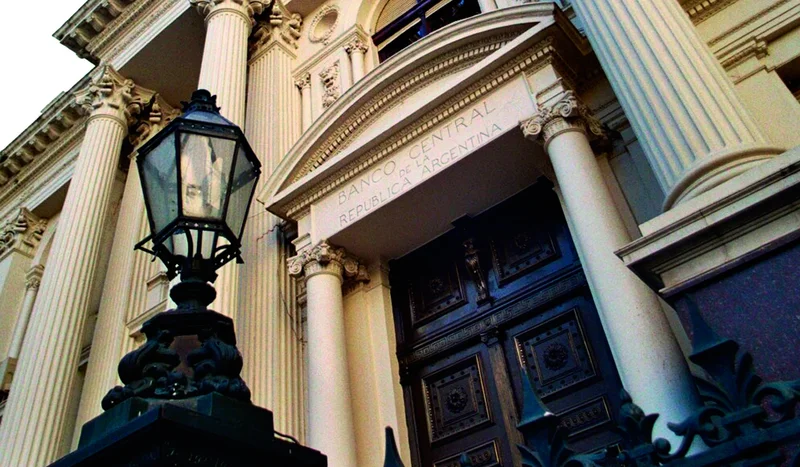
Argentina Opens Dollar Lending as Investors Pick Provinces
Argentina · Economy
Key Facts
- On 13 August 2026, Argentina’s central bank (the BCRA) scrapped a rule left over from the 2001 crisis and now lets banks lend US dollars to anycompany — not only exporters.
- The local press nicknamed the move “chau colchón” (“goodbye mattress”), a nudge to coax hoarded dollars out of hiding and into the banking system.
- Dollar loans are capped at 15% of each bank’s dollar deposits, and banks must hold extra capital as a cushion.
- Analysts think the change could free up somewhere between US$3 billion and US$6 billion in fresh lending.
- Dollar deposits in Argentine banks have climbed to about US$40 billion, up from roughly US$14 billion when President Javier Milei took office.
- Meanwhile, big investors are quietly favoring bonds from Argentina’s provincesover bonds from the national government — provinces sold about US$2.3 billion so far in 2026, their fastest pace in nearly a decade.
Argentina wants the dollars hiding under the mattress to come to work — and where investors are placing their bets says a lot about who they trust.
Argentina is trying to bring dollars into the banking system, and a new rule on dollar lending in Argentina is the clearest sign yet. On 13 August 2026, the central bank told banks they may now lend US dollars to any company at all — a small tweak on paper, but a big shift in a country where people famously trust cash more than banks.
What actually changed, in plain words
For more than two decades, an Argentine bank could hand out a dollar loan only to a company that earned dollars — think soy exporters or miners who sell abroad and get paid in greenbacks. The idea, born from the wreckage of the 2001 crisis, was simple: don’t lend dollars to someone who only earns pesos, because if the peso tumbles they may never pay you back.
That door is now open a little wider. Any company — a builder, a factory, a supermarket chain — can ask its bank for a dollar loan. To keep things safe, the central bank set guardrails. Banks can lend out no more than 15% of the dollars savers have deposited with them, they must set aside extra capital in case loans go bad, and they have to check whether a borrower could still pay if the peso weakened sharply.
Why they call it “chau colchón”
Argentines hold an estimated fortune in physical US dollars — in safe-deposit boxes, in home safes, and yes, sometimes literally under the mattress (the “colchón”). Years of inflation and frozen bank accounts taught people to trust paper cash they can touch. So “chau colchón” — “goodbye mattress” — is the government’s wish: bring those dollars into the bank, where they can be deposited, lent out, and put to work building things.
It seems to be working, at least a bit. Dollar deposits have grown to around US$40 billion, up from about US$14 billion when Milei took office. Economy Minister Luis Caputo called the new rule a “partial easing” meant to turn idle savings into credit for construction and industry. Analysts reckon it could unlock US$3 billion to US$6 billion in new loans.
The other half of the story: provinces beat the nation
Here is the twist. While the government courts dollars at home, investors abroad are sending a pointed message about who they trust with their money. A bond is simply an IOU: you lend money to a government and it promises to pay you back with interest. The interest rate is called the yield — and a higher yield usually means investors see more risk.
Right now, investors are happily buying bonds from Argentine provinces — Buenos Aires City, Córdoba, Chubut, Entre Ríos — while the national government stays out of international markets altogether. Provinces have sold roughly US$2.3 billion in bonds in the first months of 2026, their busiest run in almost ten years. Buenos Aires City borrowed at a record-low 7.4%; Córdoba paid 8.95%, Chubut 9.45%, backed by its oil royalties. That is often cheaper, or comparable, to what the nation itself would pay.
Why bet on a province over the country?
Two reasons. First, timing. Argentina holds a presidential election in 2027, and markets hate uncertainty. Money managers say that if you must be invested in Argentina through that election, a well-run city or province is a calmer place — a spot to “hide from volatility.” Second, track record. Some provinces kept paying even when the national government was in crisis, and a few, like Chubut, pledge real income — oil royalties — as backing. Investors call them “better-quality borrowers.”
It is not risk-free. Provinces still depend on the central bank to access dollars, and history is littered with defaults — Buenos Aires province alone stopped paying on US$7.1 billion in 2020. But for now, the smart-money preference for provinces over the nation tells you plenty about how much faith investors place in Milei’s long-term promises. (Separately, Washington has pressed Buenos Aires to limit Chinese firms in the Vaca Muerta shale fields — a story we cover elsewhere.)
Why this matters if you live in or invest in Latin America
If you have a business, savings, or investments touching Argentina, both threads affect you. The dollar-lending rule could make it easier for local companies — maybe your suppliers, tenants, or partners — to borrow in dollars for real projects, which can mean more construction, more hiring, and more activity you can feel on the ground. And the bond story is a live confidence gauge: when investors reach for provinces and skip the nation, they are betting on stability at the local level while they wait to see whether Argentina’s bigger turnaround sticks. Watching where the dollars flow — and where they still hide — is one of the clearest ways to read the country’s mood.
Frequently Asked Questions
What did Argentina’s central bank actually change?
On 13 August 2026, the BCRA lifted a rule from the 2001 crisis that let banks lend US dollars only to companies earning foreign currency, such as exporters. Now banks can lend dollars to any company, within limits.
What does “chau colchón” mean?
It translates as “goodbye mattress.” Many Argentines keep US dollars in cash at home rather than in banks. The phrase captures the government’s hope of coaxing those hidden dollars into the banking system, where they can be lent out.
Why are investors choosing provincial bonds over national ones?
A bond is an IOU with interest, called the yield. Investors see provinces such as Buenos Aires City and Córdoba as steadier bets ahead of the 2027 election, partly because some have strong track records and real income, like oil royalties, backing their debt.
Is lending dollars to non-exporters risky?
It can be, since a company earning pesos may struggle to repay dollars if the peso weakens. That is why the central bank capped dollar loans at 15% of banks’ dollar deposits and required extra capital and stress-testing as safeguards.
Sources: Buenos Aires Herald; Buenos Aires Times (Bátimes); Infobae; iProfesional; ANDigital. Exchange reference: US$1 = ARS 1,493.
This article was produced by The Rio Times’ automated newsroom system. How we use AI · Report an error