Everyone loves a thriller that keeps you on the edge of your seat. Suspense can be built in many ways, be it through the slow-burn tension of Prisoners (2013) or the breakneck pace of Taken (2008). A good thriller makes compelling use of personal stakes and ticking clock mechanics, but a great one throws in well-earned twists and red herrings for good measure. Films like Mulholland Drive (2001) and The Silence of the Lambs (1991) endure for these reasons, using puzzle-box or procedural frameworks to dig deeper into what makes the human mind tick.
Netflix is home to a wide library of noteworthy thrillers, including genre staples like Gone Girl (2014) and Netflix Originals like Gerald’s Game (2017). Some, like Fair Play (2023), use elements of an erotic thriller to explore workplace politics and sexism, while others, like I'm Thinking of Ending Things (2020), take a more surreal route to tell a moving tale about memory and regret.
While we’re clearly spoiled for choice, here are five of the most intense thrillers worth watching on Netflix, ranked from least to most likely to spike your heart rate.
5 Caught Stealing (2025)
Darren Aronofsky (Requiem for a Dream, Black Swan, and more recently, some dreadful AI slop) weaves a brisk, twisty tale in Caught Stealing, which revolves around traumatized bartender Hank (Austin Butler), who's haunted by a past injury and the future it stole from him. Hank’s mundane existence is interrupted when his punk rock neighbor, Russ (Matt Smith), asks Hank to take care of his cat. This simple act of kindness thrusts Hank into a terrifying underworld, leading him down a path marked with danger and unpredictability.
It’s a violent, chaotic ride reminiscent of Aronofsky’s taut direction in previous films, though Caught Stealing takes a more comedic approach while still peppering in some truly brutal plot twists. The film’s ‘90s analog setting and its fast, relentless pacing are grounded in a brilliant lead performance by Butler, who plays Hank as someone quite easy to root for. There’s an offbeat element to the events that unfold, allowing the escalating tension to feel palpable while Hank is caught up in a flurry of outlandish violence.
4 The Platform (2019)
Although a grisly dystopian thriller at its core, Galder Gaztelu-Urrutia’s The Platform also functions as a gory horror flick. Set in a massive industrial prison spread across hundreds of floors, the film is about a downward-descending platform filled with a grand buffet of food. Those on the upper levels (with two prisoners on each level) have access to the platform first, while the prisoners dwelling below barely live off scraps. Although there’s more than enough food that can be equally rationed on every level, this sense of empathetic consideration is never achieved.
Although The Platform is a straightforward critique of wealth inequity and its consequences, the film takes this idea to extremes by making the prisoners routinely switch floors. Irrespective of social class and moral intent, the pit of capitalism makes every prisoner indulge in excess, as they might become the victim of trickle-down economics at any point. This is an intelligent thriller that makes a meal out of its clever premise, using the perspective of a well-meaning everyman to bring things full-circle.
3 The Killer (2023)
Thrillers helmed by David Fincher are often the yardstick for the genre. Everything from Se7en (1995) to Zodiac (2007) has added something novel to our understanding of on-screen tension and how it can be used to flesh out complex characters. Fincher’s eccentric, detail-heavy procedural about a hired assassin manages to do the same, as The Killer uses its obsessive lead to subvert expectations. While the titular killer (Michael Fassbender) is introduced as a perfectionist in every sense of the term, he immediately bungles a high-profile stakeout by accidentally missing a shot; a mistake that triggers an escalating series of events and sends the unnamed assassin into hiding.
Films about formidable lone assassins usually opt for a visceral motivation, but Fincher peers into the monotonous mindset of our lead, where his deadpan inner monologue becomes our window to his soul. The results are both cynical and darkly comedic, but The Killer never loses sight of its intensity, as we’re offered a thrilling deconstruction of an unlikely protagonist. The film also explores the bland uniformity of modern consumerism, and how this aspect affects an assassin’s everyday routine of meticulous planning and surveillance.
2 Creep (2014)
Found footage horror might not be everyone’s cup of tea, but Patrick Brice’s Creep is one of those rare genre entries that comes highly recommended for anyone who enjoys an intense thriller. A struggling videographer named Aaron (Brice) is offered $1,000 to spend the day filming Josef (Mark Duplass), who wants to make a video diary for his unborn son. Josef’s eerie home in the woods is the least of Aaron’s concerns, as the man’s overly friendly chit-chat quickly escalates into something deeply unsettling.
Creep works for several reasons. It weaponizes the fact that humans are socialized to be polite in the most awkward situations, which contextualizes most of Aaron’s willingness to overlook Josef’s odd behavior. The lines between true malice and social ineptness blur as time passes, allowing Creep to make good use of its slow-burn pacing to ramp up the dread. While some found footage stories can feel contrived or gimmicky, Creep avoids this by keeping the events rooted in realism, which adds to the fear and claustrophobia of being stuck in the woods with the wrong person. (The sequel, Creep 2, raises the stakes while subverting the original premise, making it a worthy watch if you enjoy the original.)
1 Nightcrawler (2014)
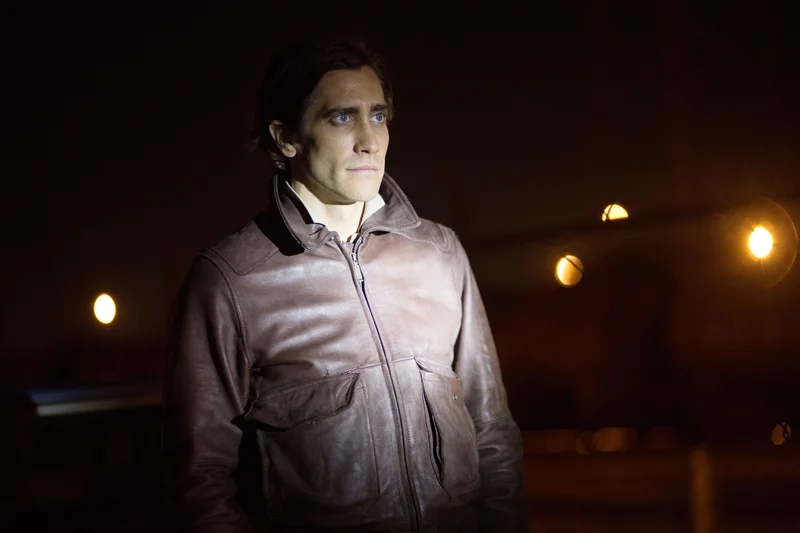
Rooting audiences in the perspective of a sleazy, sociopathic lead is a massive creative risk, but Dan Gilroy's Nightcrawler pulls this off with nuanced conviction. The film follows a petty thief turned stringer named Lou (Jake Gyllenhaal) who goes to dubious and unethical lengths to sell film footage to local news stations. As Lou’s desperation for profit mounts, Nightcrawler explores the grimy underbelly of unethical journalism and the toxic relationship it shares with voyeuristic consumer demands.
The result is a deeply uncomfortable experience that compels audiences to invest in a protagonist who is well beyond redemption. That said, the moral rot isn’t confined to Lou. Everyone he works with is complicit in selling violent crime as sensationalist footage that helps further corporate ambitions. There’s immense psychological depth to this display of moral depravity, and Nightcrawler makes these impulses feel horribly compelling. Gilroy's lean and mean thriller is nothing short of extraordinary, and it succeeds in getting under our skin by holding up a mirror to a reality that is no longer a hyperbolic piece of fiction.