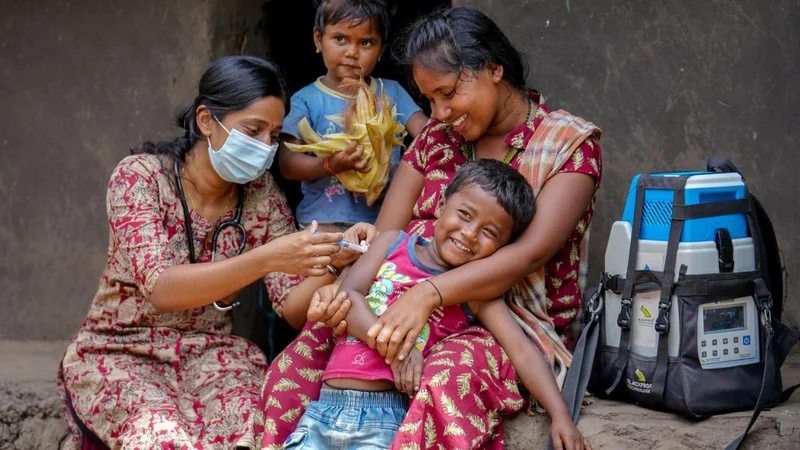
Six government health facilities in rural Karnataka have been equipped with solar power systems and energy-efficient medical equipment, enabling uninterrupted delivery of healthcare services to more than two lakh persons in areas where electricity supply has often been unreliable.
The initiative has been implemented by SELCO Foundation, a Bengaluru-based non-profit organisation, under Beyond2020, a global programme launched by the UAE’s Zayed Sustainability Prize.
The solar-powered facilities have been established in remote parts of Karnataka, where inconsistent electricity has often affected the functioning of medical equipment, vaccine storage and diagnostic services.
Photovoltaic systems
According to the SELCO Foundation, each facility has been fitted with solar photovoltaic systems capable of generating between two and 15 kilowatts of electricity. The systems are supported by off-grid infrastructure and lithium-ion battery banks that can provide backup power for up to two days.
Maternal and child health
The centres have been equipped with energy-efficient medical devices, including portable baby warmers, phototherapy units for newborns, foetal monitors, assisted ventilation systems, and vaccine carriers with temperature control.
The facilities have digital diagnostic tools, such as digital stethoscopes, spirometers, digital microscopes and telemedicine units, to support diagnosis and treatment closer to patients’ homes.
The project includes a mobile health clinic, operated in collaboration with the Swami Vivekananda Youth Movement, to extend healthcare services to remote communities.
Reducing dependence on distant hospitals
SELCO Foundation said reliable electricity is critical for rural health facilities, particularly in ensuring uninterrupted maternal and neonatal care, safe vaccine storage and timely diagnosis of illnesses.
“Energy is a catalyst for better healthcare. By redesigning health facilities through solar innovation, we can make quality healthcare accessible in remote communities,” said Harish Hande, Chief Executive Officer of SELCO Foundation. He said the organisation hopes to expand similar models to other parts of the country.
India has more than 30,000 Primary Health Centres and over 1.5 lakh sub-centres, many of them located in rural and difficult-to-access areas where infrastructure challenges often affect healthcare delivery.
The Beyond2020 programme has implemented similar projects in several countries across Asia, Africa and Latin America, focusing on improving access to healthcare, clean energy, water and food security through sustainable technologies.
Published - July 23, 2026 03:01 pm IST