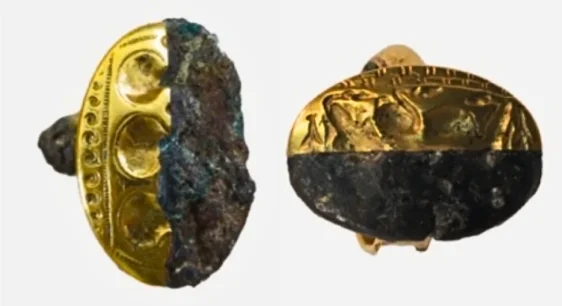
Long before humans developed the smelting technology to extract iron from ore, they were using the metal to make tools, jewelry, and more. The iron they worked with was extraterrestrial in origin, not from ancient aliens, but from meteorites. King Tut’s dagger, for example, was crafted from meteorite iron well before the Iron Age. Now, a new study published in the Journal of Archaeological Science has uncovered meteorite jewelry trends from Bronze Age Greece.
How can you tell if iron comes from a meteorite rather than traditional smelting? By analyzing the nickel content. Iron from space contains high amounts of the element and portable X-ray fluorescence machines, which look like price-scanning guns, can detect the concentrations in a snap. So a team of archaeologists zapped 91 artifacts excavated from 33 different sites to find out if they were truly out of this world.
Read more: “What a Bronze Age Skeleton Reveals About Cavities”
They found that 13 of them—all rings—had elevated nickel levels, but they were only able to peg the definitive extraterrestrial origin of nine of them. Almost all of the meteorite rings contained other precious metals like gold and silver, and most of them were recovered from Minoan and Mycaenean tombs that contained other valuable objects, including gold vessels and amber jewels. The fancy construction and posh accoutrements mean the otherworldly rings were likely status symbols for the powerful.
The researchers also suspect the meteorite metal may have had a stopover on its journey from space to Greece. Finding meteorites in Greece is difficult, but they’re much more common in the deserts of Egypt. The two civilizations enjoyed trade relations during this time, and the team believes Egypt is a much more likely source for Bronze Age space rocks.
But all good things must come to an end, and the use of nickel-bearing iron declined around the collapse of the Late Bronze Age. The researchers say this could be linked to the economic, social, and political changes of the time, but also note it’s possible that the meteorite ring trend had “‘naturally’ faded away as does any fashion.”
In other words, the meteorite metal dropped twice: once to Earth and once in popularity.
Lead image: Gounelle & Mantzourani