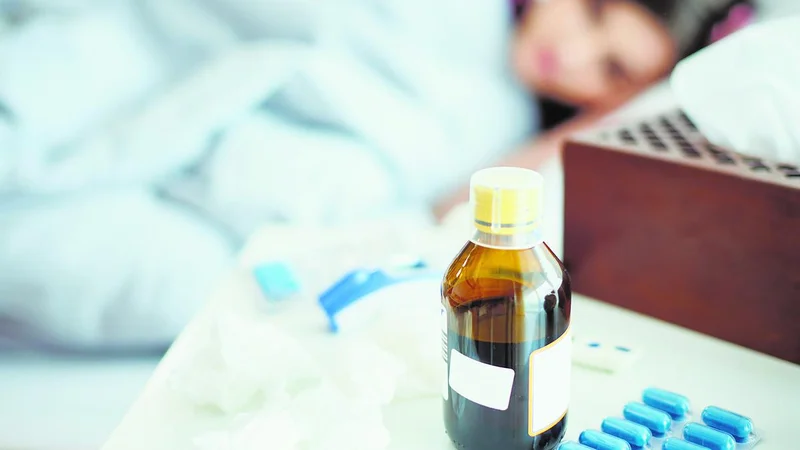
Self-care should not be a substitute for trained, medical help \| Image used for representational purpose only
\| Photo Credit: File Photo
Self-medication is becoming an increasingly common aspect of healthcare today. The availability of information about one’s health condition on the web, the accessibility of medicines at pharmacies and even online, and the fast-paced life most people lead, have led to many just treating themselves for ailments without seeking help from doctors.
While this phenomenon may appear to reflect more informed and empowered consumer habits, it can also pose hazards. Access to information today, has grown faster than access to informed medical guidance. In recent years, doctors have seen many patients who have already tried some form of treatment before visiting medical professional. a doctor. While self-care can be considered as a necessary component of dealing with minor diseases, it should not be a s for substitute trained, medical help, especially in an era when misinformation is on the rise and the use of inaccurate information to make decisions regarding health can lead to disastrous consequences.
Antibiotic misuse
Among the many concerns associated with self-medication, the inappropriate use of antibiotics remains one of the most serious. A community -based study conducted in an urban low-income area of Delhi found that 24.6% of participants had taken antibiotics without a prescription. Only 19.4% were aware of antimicrobial resistance (AMR), while nearly half believed that antibiotics are effective against common viral illnesses such as colds and flu.
This points to a larger issue of awareness and understanding. Antibiotics are powerful medicines, but when used unnecessarily or incorrectly, they contribute to antimicrobial resistance, making infections harder to treat and reducing the effectiveness of life-saving medicines for future generations. Addressing this challenge requires sustained efforts in patient education and responsible medicine use.
Beyond immediate risks
The issues associated with self-medication go well beyond improper usage of antibiotics. Self-diagnosing mistakes, wrong dosage, harmful interactions between different medications, allergic reactions, and lack of prompt attention are just some of the many things that could affect patients. What sometimes happens is that patients also conceal symptoms due to improper self-medication, which makes diagnosis more difficult and delays treatment.
Undeniably, digital resources are now one of the most valuable sources of information; however, they are not a substitute for professional advice and cannot solve all problems.
Towards a safer self-care ecosystem
Rather than dissuading individuals from self-care, we need to make it as safe as possible. Responsible self-care can empower individuals to address minor illnesses, practice preventive health measures and avoid undue stress on health facilities. But it necessitates an environment in which informed decisions can be made throughout the healthcare process.
Health literacy needs to be incorporated into the framework of public health strategies. Individuals need evidence-based information on which illnesses can be effectively self-managed, which medications should not be consumed without the consent of doctors and warning signs indicating the need to consult health professionals immediately.
More emphasis is required on the role of pharmacists in this process. Since they are one of the first points of contact for many patients, they can help guide responsible medicine use, educate individuals about proper medication consumption and refer them to health professionals in case of need.
Another important aspect is the positive use of digital health platforms. Digital health platforms can provide verified health information, teleconsultation services and even artificial intelligence clinical decision-making tools. Used responsibly, these platforms can help reduce reliance on unverified advice circulating on social media platforms and other informal channels.
A shared responsibility
The safe practice of self-medication is a collaborative effort. It is essential for health workers, pharmacists, policy makers, technology companies and users to contribute to the development of an environment that achieves a balance between easy access to medicines and quality advice.
In the future, healthcare provision will depend on how people are going to involve themselves in their health management without risks. Through improvement of health literacy, promotion of responsible medication consumption, increased access to primary care and more trust between patients and healthcare professionals, self-care can add value to clinical care.
(Dr. Upasana Arora is managing director, Yashoda Group of Hospitals. upasana@yashodahospital.org)
Published - July 23, 2026 03:22 pm IST