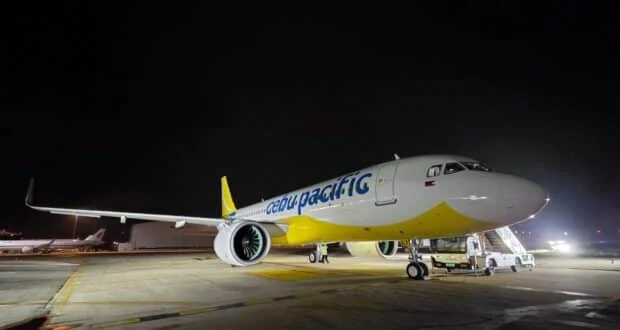
Domestic travel beefed up CebuPac traffic
MANILA, Philippines — Cebu Pacific entered the lean travel season on a stable footing, recording a 4.7-percent increase in passenger traffic in July as stronger domestic demand offset a decline in international travel.
The Gokongwei-led low-cost carrier said on Friday it flew 2.2 million passengers last month, up from 2.1 million in July last year.
READ: Cebu Pacific expanding service network in Asia
Article continues after this advertisement
This brought its year-to-date passenger traffic to 16.72 million, still an increase of 4.3 percent despite a difficult second quarter marked by softer demand and soaring jet fuel prices—both due to the Middle East crisis.
In July alone, Cebu Pacific’s extensive domestic network did much of the heavy lifting. Domestic traffic grew 9.1 percent to 1.73 million while international traffic declined 8.6 percent to 485,000.
Cebu Pacific said the lower international passenger traffic was in line with planned capacity reductions, as it offered only 579,000 seats on international flights in July, down 16.9 percent from a year earlier.
In the same comparative period, Cebu Pacific increased its domestic seat capacity by 15.3 percent.
“We delivered continued passenger growth in July supported by a strong rebound in the domestic market,” said Xander Lao, president and chief commercial officer of Cebu Pacific.
Article continues after this advertisement
“International traffic was lower but aligned with planned capacity reductions which resulted in stronger load factors,” Lao said.
READ: Cebu Pacific rebounds in June; H1 traffic hit 14.5M
Article continues after this advertisement
As Cebu Pacific navigates the lean travel season, it is banking on new and returning flights across Asia to help sustain demand.
Starting this coming October, the airline will restart its Cebu-Ho Chi Minh, Cebu-Shanghai, Cebu-Nagoya, Clark-Hanoi and Manila-Xiamen routes.
Lao said these route additions are meant “to further strengthen connectivity while providing passengers with more convenient and affordable options.”
Cebu Pacific ended the first half in the red as soaring jet fuel prices and foreign exchange losses pushed its net loss to P5.9 billion. This during what the firm described as “one of the most challenging operating environments we have faced post-pandemic.”
Still, the airline has said it was confident that demand will stay resilient and market conditions will improve in the second half of the year. INQ