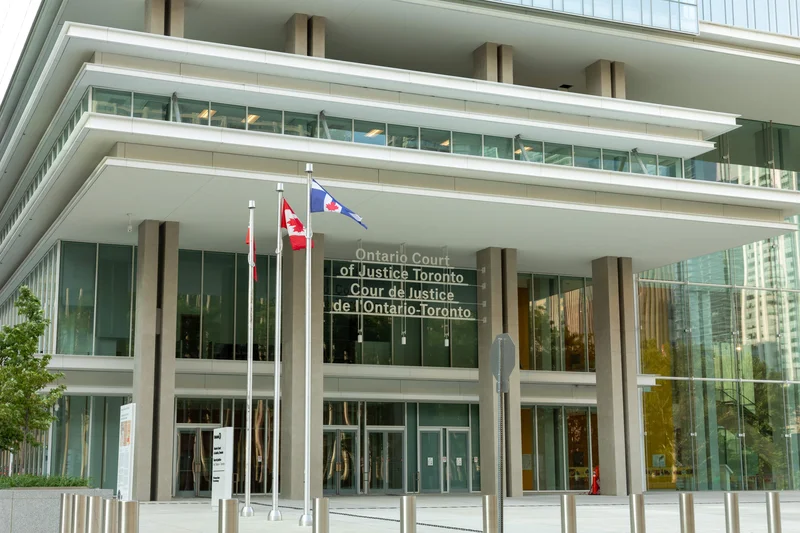
The Ontario government is implementing a spate of new bail requirements, in an effort to crack down on repeat offenders.
The province will now require a full cash security deposit to be paid once an accused person is released from custody, with that payment due within two business days of the release.
If the accused or their sureties don’t pay up, the government is now giving itself the power to collect those debts in different ways, including bank account garnishment, property liens, and the seizure and sale of property.
Sureties will also have to provide up-to-date contact and identification information.
Ontario Attorney General Doug Downey announced the new measures Friday in Vaughan. “We cannot accept a revolving-door bail system that puts innocent people, families, and communities at risk,” Downey said.
“People expect a justice system that protects them. They expect bail conditions to mean something. And they expect consequences when those conditions are ignored.”
Get breaking National news
Michael Coristine is a criminal defence lawyer with Coristine Law. He envisions that the new provincial reforms will reduce number of sureties that bail out accused individuals.
“It may prevent people from willingly coming forward to bail out someone who otherwise would be releasable because they don’t want to have to convert all of their investments, or take a line of credit against their home, or empty their savings just to fulfil a promise that they believe they can adhere to.”
Coristine said that Ontario has always had a cash-for-bail option, but it was used sparingly. A “promise to pay” system was more typical, where sureties would have to answer questions and promise the courts they had money to pay, rather than pay up immediately.
“It’s a big difference when you say to someone who would otherwise be willing to promise money to bail someone out, ‘You’re going to have two days, go to the bank, get all that money and give it to the court.’ I think that could have a chilling effect on bail for people who are otherwise being released under this legislation, which is somewhat problematic,” Coristine said.
The changes to the province’s bail system take effect Monday.