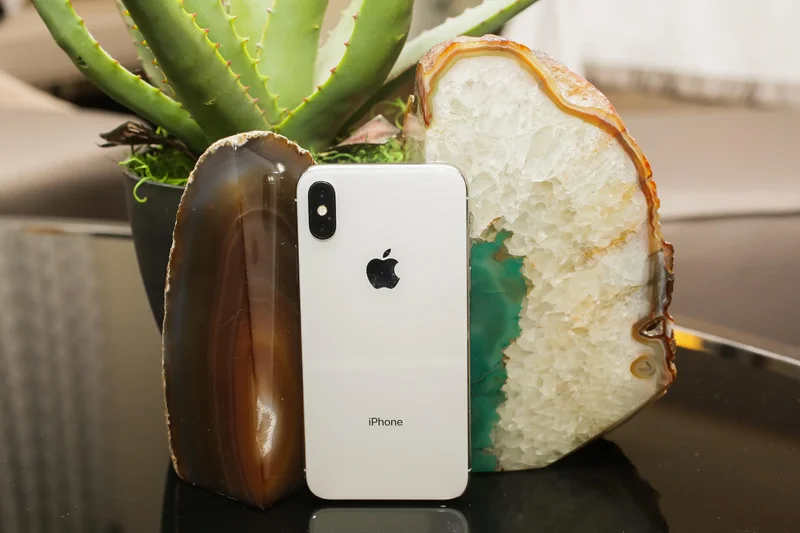
When the iPhone X debuted in 2017 for a record-high price of $1,000, people were wondering: How long will this phone last? Now we have an answer.
On Thursday, Apple classified the iPhone X as obsolete. To be clear, the device won’t suddenly stop working. “Obsolete” is a classification for devices that Apple stopped selling seven years ago, and the company will no longer offer hardware service. This is a step down from the “vintage” category, which refers to devices that Apple last sold five to seven years ago.
I never owned an iPhone X, but I admit I envied the people who did. It was the iPhone that made me start paying closer attention to smartphones.
I remember seeing the iPhone X advertised on a billboard over San Francisco’s Union Square. Its curved corners and minimal bezels gave it a space-age vibe and made all other phones look dated by comparison. There was even something futuristic about that controversial front camera cutout, which everyone decided to call the “notch.” (Apple never used the term, at least not in the iPhone X’s press release.)
The iPhone X “is the beginning of the next ten years for iPhone,” said Apple’s senior vice president of Worldwide Marketing, Philip Schiller, in 2017.
Schiller’s prediction was spot-on. The all-screen form factor continued to show up in each generation of flagship iPhones, even as the notch evolved into the Dynamic Island on the iPhone 14 Pro. Today, there’s only one iPhone model that still has a notch: the entry-level iPhone 17E.
Nine years after the iPhone X’s debut, another contender for the most expensive new iPhone may soon be appearing. Apple’s foldable iPhone is heavily rumored to launch next month with an expected price tag of at least $2,000. And with the ongoing RAM crisis driving prices higher, it seems almost quaint to imagine a $1,000 flagship phone today.
We’re also set to see Apple’s 20th anniversary iPhone next year. While I can’t imagine the “iPhone 20” will be as revolutionary as the iPhone X, maybe Apple will surprise us once again.