Colombia · Trade
Key Facts
—Plants approved. China authorized two Minerva Foods facilities as the first Colombian beef processing plants cleared for export.
—Tariff wall. A 55% punitive tariff and strict quotas now apply to beef from Brazil, Argentina, and Uruguay, but not Colombia.
—Volume surge. Colombian beef shipments to China hit 16,006 tons (US$77.6 million) from January to October 2025.
—2026 target. Fedegán projects exports to China could reach 50,000 tons in 2026, potentially doubling later.
—Protocol signed. Presidents Petro and Xi finalized the sanitary health protocol in September 2025, restoring market access.
Colombian beef has secured a sudden, tariff-free lane into China just as Beijing slaps a 55% punitive levy on shipments from Brazil, Argentina, and Uruguay, a policy twist that is already redrawing the economic map of Colombia’s cattle country.
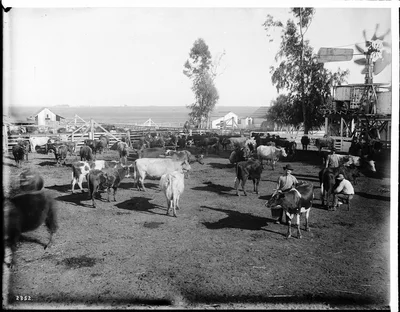
Colombian cattle ranching supplies beef to domestic and international markets.
One-stop reference
Company Intelligence
Every listed company in Latin America — financials, ownership and structure for 1,450+ companies across 26 exchanges, in one place.
RTAsk Rio TimesCost of living, safety, visas across Latin America›
One Administrative Decision in Beijing
In late July 2026, China’s customs authority authorized the first two Colombian processing plants — both owned by the Brazilian giant Minerva Foods — to ship beef directly to Chinese buyers. The approvals complete a sanitary health protocol signed in September 2025 by President Gustavo Petro and President Xi Jinping, which recognized Colombia as a country free of foot-and-mouth disease in vaccinated cattle populations.
The timing is no accident. Starting in January 2026, China imposed country-specific quotas and a 55% tariff on beef volumes that exceed those caps for Brazil, Argentina, and Uruguay.
Colombia is exempt from both measures because its historical share of Chinese imports sits below 3%, turning a former disadvantage into a structural price edge.
What the Tariff Gap Means for Colombian Beef
Brazil exported roughly 1.3 million tons of beef to China in 2024 but now faces a quota of about 510,000 tons before the 55% surcharge kicks in. Argentina, with around 570,000 tons shipped last year, hits the same wall.
That leaves millions of tons of demand that Chinese buyers need to source elsewhere. Colombian beef enters that gap duty-free.
From January to October 2025, China bought 16,006 tons of Colombian beef worth US$77.6 million, already surpassing the 10,650 tons (US$41.3 million) recorded for all of 2024. Fedegán, the Colombian ranchers’ federation, projects exports to China could hit 50,000 tons in 2026, with some analysts seeing a long-term ceiling of 100,000 to 250,000 tons annually if logistics keep pace.
Cattle Regions Feel the Pull
The administrative shift in Beijing translates directly into higher farmgate prices and investment flows in departments like Córdoba, Antioquia, Casanare, and Meta, where much of Colombia’s export-grade cattle is raised. Ranchers who once relied on volatile domestic markets or lower-margin shipments to Russia are now racing to meet Chinese sanitary and weight specifications.
Minerva Foods has confirmed that only final bureaucratic procedures remain before regular shipments begin. The Colombian Consul General in Hong Kong, Luis Fernando Orozco Barrera, said he expects at least 2,500 tons per month — roughly US$15 million in value — to flow once the pipeline normalizes.
Ranchers are also forming alliances with Chinese capital to accelerate cattle finishing, modernizing feedlots and cold-chain infrastructure.
A New Competitive Landscape
China’s safeguard measures are designed to limit dependence on a handful of giant suppliers and stabilize domestic beef prices. For Colombia, the policy creates a window that did not exist two years ago, when foot-and-mouth restrictions kept most Colombian beef out of premium Asian markets.
Fedegán expects China to overtake Russia as Colombia’s top beef buyer. While the 50,000-ton target for 2026 is modest next to Brazil’s volumes, the zero-tariff advantage means Colombian exporters can offer competitive prices without sacrificing margins, a rare sweet spot in global protein trade.
What It Means for Expats and Investors
For foreign residents and investors in Colombia, the beef export boom signals a strengthening of the agricultural sector that could ripple through related industries. Higher ranch incomes in departments like Antioquia and Casanare often translate into increased demand for local services, real estate, and logistics, creating secondary opportunities for those with capital positioned in these regions.
The alliance between Colombian ranchers and Chinese capital also points to a modernization wave that may attract further foreign participation. Upgraded feedlots, cold-storage facilities, and transport networks will need financing and operational expertise, areas where international investors and expat entrepreneurs could find entry points in the coming years.
What Happens Next
The immediate next step is the completion of final bureaucratic procedures at Minerva Foods’ two authorized plants, after which regular commercial shipments will begin. Industry observers will be watching closely to see whether monthly volumes hit the 2,500-ton target cited by Consul General Orozco Barrera, a benchmark that would confirm the pipeline is working at scale.
Longer term, the sustainability of this advantage depends on whether Colombia can maintain its foot-and-mouth disease status and scale production without triggering its own quota restrictions in Beijing. For now, the policy landscape has handed Colombian beef a rare, time-limited opportunity to carve out a permanent niche in the world’s largest meat import market.
Frequently Asked Questions
Why is Colombian beef exempt from China’s new 55% tariff?
Colombia’s historical share of Chinese beef imports is under 3%, so it falls below the threshold that triggers the country-specific quotas and punitive tariffs now applied to Brazil, Argentina, and Uruguay. Beijing designed the safeguard measures to curb dependence on its largest suppliers, and Colombia simply was not big enough to be caught in that net.
Which Colombian plants are approved to export beef to China?
Two processing facilities owned by Minerva Foods, a major Brazilian meatpacking multinational, are the first to receive authorization from Chinese customs. Shipments are expected to begin once final administrative steps are completed, opening the door for other Colombian plants to seek approval later.
How much Colombian beef could China import in 2026?
Fedegán, the national ranchers’ federation, projects around 50,000 tons for 2026, which would more than triple the 16,006 tons shipped in the first ten months of 2025. Some industry experts believe the figure could reach 100,000 tons or more in the long term if logistics, cold-chain infrastructure, and cattle-finishing operations scale accordingly.