LS Electric is deepening its push into the booming U.S. data center market with a new distribution-equipment deal with Bloom Energy worth about 48.6 billion won ($34.3 million).
The Korean power equipment maker said Tuesday it signed the contract with Bloom Energy to supply a range of distribution systems for a hyperscale data center being developed in Wyoming.
The equipment, including low-voltage switchboards and other key distribution systems, is scheduled to be supplied from January through June next year.
The deal adds to a series of orders that LS Electric said it has secured by combining advanced distribution technology, product quality and its ability to meet tight delivery schedules.
The company said it plans to strengthen its partnership with Bloom Energy and expand its position in the North American data center market as demand for electricity rises alongside the rapid growth of artificial intelligence infrastructure.
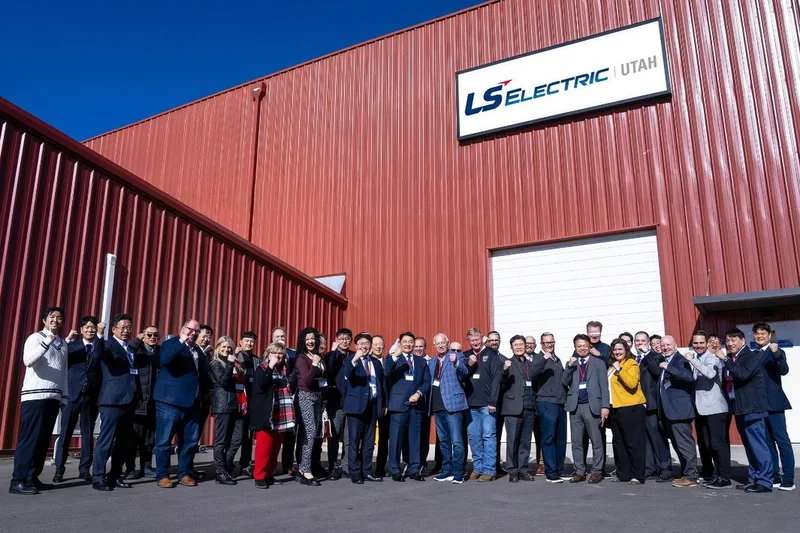
LS Electric operates two major production bases in the United States, LS Electric Utah and the Bastrop campus in Texas, with local operations spanning sales, engineering, manufacturing and services.
The company has also built a manufacturing facility in Cheonan known as the DC Factory, which it said is the world's first manufacturing plant to introduce direct-current distribution and is designed to advance technology for next-generation data centers.
LS Electric said its North American data center business has helped drive record results, with second-quarter revenue reaching 1.58 trillion won and operating profit hitting 178.5 billion won.
North American revenue reached about 400 billion won in the quarter, also a record, while cumulative orders surpassed 7 trillion won, the company said.
An LS Electric official said the contract demonstrates the company's distribution technology in the global data center power market and would help it expand its share of the rapidly growing North American market.
Koo Ja-kyun, chairman of LS Electric, has made strengthening the company's global power business a central part of its strategy as demand for electricity infrastructure accelerates.
This article was published with the assistance of generative AI and edited by The Korea Times.