Sign in. It’s quick, free and it’s up to you.
An account is an optional way to support the work we do. Find out more.
CONDITIONS IN THE Strait of Hormuz are so changeable that it’s difficult to predict the impact it will have on consumers in the near future.
That’s according to the chief executive of Fuels for Ireland, Kevin McPartlan, who said wholesale prices can change daily, as the conflict unfolds.
The price of the benchmark international oil contract, Brent North Sea, reached $100 (€88) a barrel in trading today after Yemen’s Houthi rebels struck oil tankers in the Red Sea. US president Donald Trump had responded by threatening “major military punishment”.
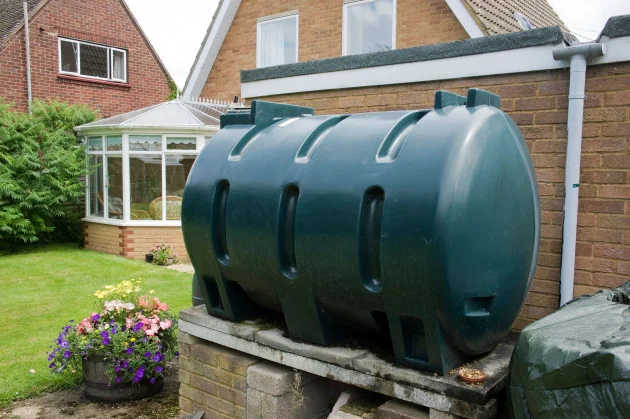
More than 700,000 Irish households — around 45% of the total — rely on oil for heating. Use is even higher in western and Border counties.
Figures given to the Dáil last week showed heating-oil prices were already up 48.7% in the year to June, more than 14 times the headline inflation rate of 3.4%.
Irish oil providers are now trying to be “measured” in how and when they pass on costs to customers, McPartlan said.
“It’s not that they haven’t passed on all the price increase because they can afford to absorb that. It’s that they are trying to be kind of measured in the way that they do this,” he said.
Donald Trump could tweet something else at 3pm this afternoon that brings prices down again. It’s wildly fluctuating.
Before the war between Iran and the Israel broke out, around 20% of all the fuel sold in the world passed through the Strait of Hormuz. Iran controls the northern side of the strait and can disrupt shipping if provoked.
In June, a ceasefire was announced and the strait was unblocked, but both Israel, its ally the US, and Iran continued strikes even after it took effect.
Since then, the protracted conflict has continued, with Wednesday night being the twelfth in a row that the US has launched airstrikes on Iran.
Not only does a blockage in the strait mean fuel can’t get through. The ships transporting it can’t either, which increases both fuel prices and ship insurance premiums.
“Prices went up very dramatically after the conflict began. When the ceasefire was announced, they began falling, and since the ceasefire was announced, they’ve gone up and down a couple of times as the confidence in the ceasefire has equally gone up and down,” McPartlan explained.
This, he says, is because risk is factored into the price.
“There’s a bit of a risk to overall supplies, and the risk is greatest in aviation, second in diesel, and third in petrol. And therefore, they’re going to add a bit of price onto that.”
Budget airlines like Ryanair and EasyJet saw profits take a tumble, blaming higher fuel costs.
Jet fuel, of which the Middle East is a major producer and exporter, has seen the biggest price jumps.
The EU and the UK have upped their jet fuel imports from the Red Sea port of Yanbu in Saudi Arabia to plug the gap.
With reporting by AFP
To embed this post, copy the code below on your site