Chile · Defense
Key Facts
—Vessel FF-18 Almirante Riveros, a Karel Doorman-class (M-class) frigate originally built in the Netherlands.
—Shipyard The work is performed at Asmar, Chile’s state-owned naval shipyard in Talcahuano.
—Core Systems New IPMS by RH Marine (Netherlands), CMS Advent by Havelsan (Turkey), and ICS Oceanex by EID (Portugal).
—Timeline Contracts signed in 2024–2025; the full combat system integration will conclude within four years.
—Fleet Context The upgrade bridges the gap until Chile builds new frigates, with construction expected to start around 2030.
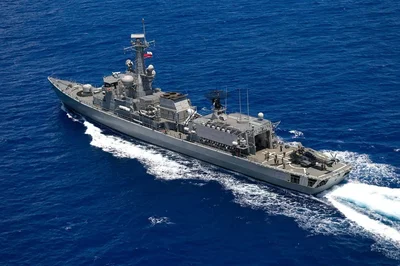
The Chilean Navy has launched a comprehensive mid-life upgrade for its M-class frigate FF-18 Almirante Riveros at the state-owned Asmar shipyard in Talcahuano, choosing to modernize an existing hull rather than purchase a new one. The program, which also covers the sister ship FF-15 Almirante Blanco Encalada, will replace the vessels’ digital brains and central nervous system to keep them operationally relevant into the 2030s.
Chile's ASMAR shipyards build and maintain vessels for the Chilean Navy and other clients.
One-stop reference
Company Intelligence
Every listed company in Latin America — financials, ownership and structure for 1,450+ companies across 26 exchanges, in one place.
RTAsk Rio TimesCost of living, safety, visas across Latin America›
What a Mid-Life Upgrade Is and Why Navies Choose It
A mid-life upgrade is a deep modernization roughly halfway through a warship’s expected service life. It strips out aging combat systems, sensors, and machinery controls and replaces them with current-generation technology.
Navies choose this path because it costs a fraction of building a new hull while resetting the vessel’s operational clock. For Chile, which operates a fleet of second-hand frigates averaging 30 years old, it is a pragmatic bridge until a new domestic construction program begins around 2030.
Asmar: The Shipyard Behind the Chilean Navy
Asmar, short for Astilleros y Maestranzas de la Armada, is the Chilean Navy’s state-owned shipbuilding and repair company based in Talcahuano, the historic heart of the country’s naval industry. It is the only yard in Chile capable of executing complex naval overhauls, making it a strategic national asset.
Beyond keeping warships at sea, Asmar generates high-skilled employment and sustains a local supply chain of engineers, welders, and systems integrators. The yard is simultaneously managing the mid-life upgrades of the Navy’s Scorpène-class submarines, proving it can sequence overlapping projects without sidelining the fleet.
Inside the Almirante Riveros Modernization
The Almirante Riveros is a 3,373-ton Karel Doorman-class multi-purpose frigate originally built by Damen in Vlissingen, Netherlands. Chile purchased the ship used in 2002 and commissioned it into the Chilean Navy in April 2004, giving it 22 years of service as of 2026.
The upgrade replaces three core systems. An Integrated Platform Management System called Rhodium, supplied by RH Marine of the Netherlands, will manage all shipboard machinery and power.
A Combat Management System named Advent, developed by Turkey’s Havelsan, integrates weapons, sensors, and navigation into a single unified picture.
The communications backbone is being upgraded with the Oceanex Integrated Communications System from Portugal’s EID, which delivers secure voice, data, and video transmission. The contracts were signed sequentially between September 2024 and March 2025, with full integration of the Advent combat system expected to conclude within four years.
A Fleet Strategy Built on Upgrades, Not Just New Hulls
The M-class work is one piece of a wider Chilean Navy recapitalization. The service is concurrently modernizing three former British Type 23 frigates, known locally as the Cochrane class, with new CMS 330 combat systems, TRS-4D radars, and Sea Ceptor air-defense missiles.
At the same time, Asmar is building two new multipurpose ships, Magallanes and Rapa Nui, under the Escotillón IV project signed in August 2022 for US$409 million. Magallanes is entering operational testing, while Rapa Nui is expected to float in the first half of 2029.
The Chilean Navy plans to eventually replace eight aging frigates with new-construction vessels, but that program is not expected to cut steel until around 2030. Our reporting has shown that Chile’s development agency has already ratified the economic viability of building these frigates domestically, a central pillar of the national shipbuilding policy that runs through 2040 and aims for technological autonomy. The mid-life upgrades ensure the M-class and Cochrane-class ships remain credible patrol and combat platforms until their successors arrive.
What This Means for Expats, Investors, and Regional Stability
For foreign residents and investors in Chile, a modern and capable navy is a quiet guarantor of the maritime stability that underpins trade and economic security. Chile’s long coastline depends on open sea lanes for copper exports, lithium shipments, and imported goods, making fleet readiness a direct economic concern.
The decision to upgrade at Asmar rather than buy abroad also signals that Chile prioritizes domestic industrial development. International defense and technology firms looking for local partners may find opportunities as the country prepares for its next-generation frigate program, which is expected to attract global shipbuilders once construction starts around 2030.
The Road Ahead: From Upgrades to New Construction
The current modernization wave is designed to buy time, not serve as a permanent solution. The Chilean Navy’s long-term plan calls for replacing its eight second-hand frigates with newly built vessels, a generational shift that will reshape the fleet’s capabilities and industrial footprint.
Until that program materializes, the upgraded M-class and Cochrane-class frigates will carry the burden of patrolling Chile’s vast maritime territory. The success of the Almirante Riveros project will likely influence how quickly and confidently the Navy can transition from maintaining legacy hulls to cutting steel on its first brand-new frigate in decades.
Frequently Asked Questions
Why is Chile upgrading old frigates instead of buying new ones?
A mid-life upgrade costs far less than a new frigate and can be done at the national shipyard Asmar, keeping funds and expertise inside Chile. It extends the ship's useful life by roughly a decade, buying time for a future domestic construction program that is expected to start around 2030.
What is the Almirante Riveros and where did it come from?
The Almirante Riveros is a Karel Doorman-class multi-purpose frigate originally built in the Netherlands by Damen. Chile bought it used in 2004 and commissioned it into the Chilean Navy in 2007, and it now serves as a patrol and combat platform protecting the country's extensive coastline.
What does Asmar mean for the Chilean economy?
Asmar is the state-owned naval shipyard in Talcahuano and a strategic industrial anchor for the country. It sustains high-skilled jobs, develops local engineering capabilities, and keeps defense spending circulating within the Chilean economy rather than flowing to foreign shipbuilders.