Targeted NYC surveillance found mercury in nearly one-third of tested skin-lightening and skincare products, including foreign-made creams with concentrations thousands of times above the FDA limit and little warning on their labels.
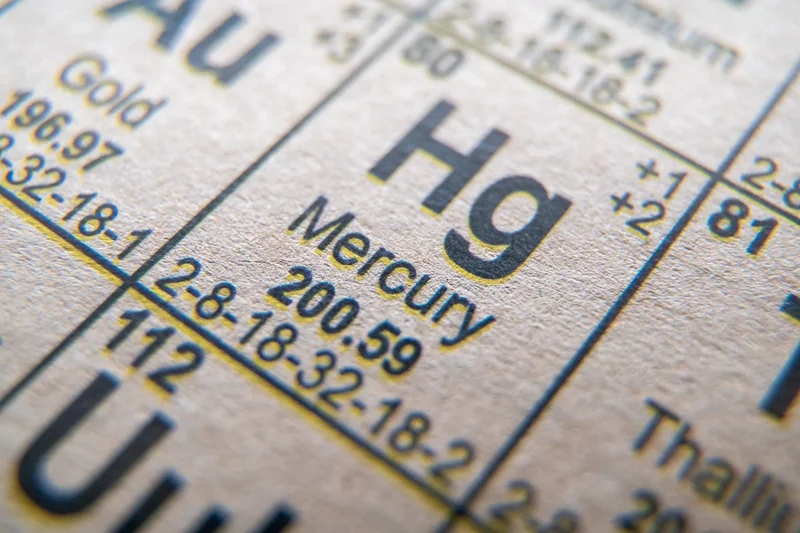
Study: Mercury in skin lightening and skin care products purchased in New York City, 2009-2022. Image Credit: Erman Gunes / Shutterstock
In a recent study published in the Journal of Exposure Science & Environmental Epidemiology, researchers investigated whether skin-lightening and cosmetic products sold across New York City (NYC) contained mercury and, if so, at what concentrations. The study specifically analyzed over a decade of public health surveillance data comprising 197 skincare products purchased between 2009 and 2022.
Study findings revealed that 29% (almost one-third) of all sampled products contained detectable mercury, with 18% exceeding the United States Food and Drug Administration (FDA) regulatory limit of 1 part per million (ppm).
Notably, the study found that several imported creams contained mercury levels more than 10,000 times higher than FDA limits, with the highest containing 27,000 ppm. Furthermore, mercury was rarely disclosed on product labels, with only one product containing laboratory-detected mercury listing it as an ingredient.
Background
Mercury is a highly toxic metal that is known to inhibit melanin production by inactivating the enzyme tyrosinase. International efforts to reduce mercury exposure include the Minamata Convention on Mercury, adopted in 2013 to protect human health and the environment from mercury. The United States (US) Food and Drug Administration (FDA) similarly restricts mercury in cosmetics to a permissible limit of 1 part per million (ppm).
Unfortunately, public health investigations continue to identify mercury in skin-lightening and skincare products manufactured outside the US. Research cited by the authors indicates that women of color disproportionately bear the burden of toxic chemical exposures from cosmetic products marketed for their skin-lightening properties, a pattern attributed to historic colorism, colonialism, and systemic biases that equate lighter skin with social capital and professional opportunity.
However, while numerous studies have tested skin-lightening products for mercury, sustained, targeted public health surveillance combined with detailed analyses of product labeling and intended uses has been limited.
About the study
The present study aimed to address this knowledge gap and inform future municipal exposure prevention strategies by characterizing the mercury content, geographic origins, and labeling claims of skincare products sold across NYC.
The study data were obtained from the NYC Department of Health and Mental Hygiene, which conducted undercover surveillance of 84 retail stores across 30 ZIP codes in all five boroughs. Notably, the data (cosmetic product samples; n = 197) were collected over multiple visits conducted between 2009 and 2022.
The study’s sampling methodology prioritized neighborhoods with densely populated West African, East Asian, South Asian, Latino, and Caribbean communities. Collected product samples were broadly classified as either: 1. Leave-on products (n = 156; creams, lotions, gels, and toners) or 2. Wash-off products (n = 41; soaps, cleansers, masks, and bleaching treatments). Products were deliberately selected using criteria designed to identify items more likely to contain mercury, meaning the sample was not representative of all skincare products sold in NYC.
Each product’s total mercury concentration was quantified by an accredited laboratory using EPA Method SW-846 7471 B, the Manual Cold-Vapor Technique for total mercury. Additional summary statistics were computed for each product's country of manufacture, listed ingredients, label languages, and stated (marketed) therapeutic uses.
Study findings
The study’s laboratory analyses detected mercury in 29% (n = 56) of the tested products (n = 197). Of these, 18% (n = 33) exceeded the FDA-permissible 1 ppm limit. Among products with detectable mercury, the median concentration was 4.7 ppm, with concentrations ranging from 0.02 ppm to 27,000 ppm.
Twenty-two products were found to contain over 1,000 ppm, and 11 exceeded 10,000 ppm (all from Pakistan), with the highest among all tested products recording 27,000 ppm of mercury. The study also found that all products containing detectable mercury were manufactured outside the US, originating from Pakistan, Spain, Thailand, the Dominican Republic, India, Lebanon, and China. India was the only country among these for which none of the sampled products exceeded 1 ppm.
Products from Pakistan, in particular, not only had the highest mercury contamination levels but were also the most frequently contaminated. Among the 43 Pakistan-made products selected for testing, 74% contained detectable mercury. Another important finding was the lack of transparency in product labeling. Only 4% (n = 7) of sampled products listed mercury as an ingredient, and only one product with laboratory-detected mercury declared mercury on its label.
The researchers also identified substantial variability between batches and products with nearly identical packaging, with mercury concentrations in some repeatedly sampled products ranging from non-detectable levels to several thousand ppm. This variability further complicates surveillance and the identification of potentially hazardous products by consumers.
Conclusions
The present study shows that mercury-containing skin-lightening and skincare products remained available in targeted NYC retail stores despite existing regulations, representing an ongoing public health, health equity, and environmental justice concern that the authors link to colorist and racist beauty standards. No detectable mercury was found in the 12 US-manufactured products tested, but the targeted sampling strategy cannot establish that US-made cosmetics are generally safe or determine mercury prevalence across the wider NYC market. Some of the mercury-containing products identified also underscore gaps in regulatory enforcement governing their manufacture, importation, and distribution.
The authors acknowledge that the relatively small, targeted sample, uneven sampling between years, COVID-19-related disruptions, and absence of a biomonitoring component limit the broader interpretation of the findings.
Moving forward, the authors emphasize that mitigating toxic mercury exposures requires stricter international enforcement of the Minamata Convention, enhanced store-level surveillance, and greater clinical awareness of mercury exposure. They propose mandatory mercury exposure screening protocols while currently urging healthcare providers to consider mercury testing in people who report using hazardous skin-lightening and skincare products.
Journal reference:
- Fitzstevens, M., Alex-Oni, K., Sedlar, S., Patel, K., & Hore, P. (2026). Mercury in skin lightening and skin care products purchased in New York City, 2009-2022. Journal of Exposure Science & Environmental Epidemiology. DOI, 10.1038/s41370-026-00961-9. https://www.nature.com/articles/s41370-026-00961-9